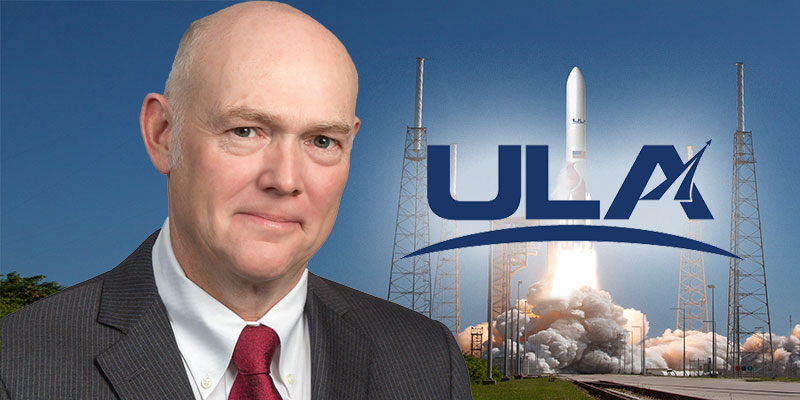
DECATUR — Tory Bruno, the longtime chief executive of United Launch Alliance, is leaving the joint venture for another opportunity.
In a statement today, executives from Boeing and Lockheed Martin, who own an equal stake in ULA, said Bruno was stepping down after 12 years for another, unnamed opportunity.
“We are grateful for Tory’s service to ULA and the country, and we thank him for his leadership,” said Robert Lightfoot of Lockheed Martin and Kay Sears of Boeing in the statement. The announcement provided no other details about Bruno’s resignation.
Thank you for the opportunity to lead this amazing team. They have put ULA in a great position to do important things for our customers and Nation. https://t.co/xclksD2EpX
— Tory Bruno (@torybruno) December 22, 2025
“Thank you for the opportunity to lead this amazing team. They have put ULA in a great position to do important things for our customers and Nation,” Bruno said in a social media post.
Bruno replied to a post that he will announce his plans in a “couple of weeks.”
ULA hired Bruno as CEO in 2014, succeeding Michael Gass, who had led the joint venture since it was established in 2006. Bruno had been president of Lockheed Martin Strategic and Missile Defense Systems, and had worked on space and missile programs for 30 years.
“Effective immediately, John Elbon is named as the interim CEO,” Lightfoot and Sears said. “We have the greatest confidence in John to continue strengthening ULA’s momentum while the board proceeds with finding the next leader of ULA.
“Together with Mark Peller, the new COO, John’s career in aerospace and his launch expertise is an asset for ULA and its customers, especially for achieving key upcoming Vulcan milestones.”
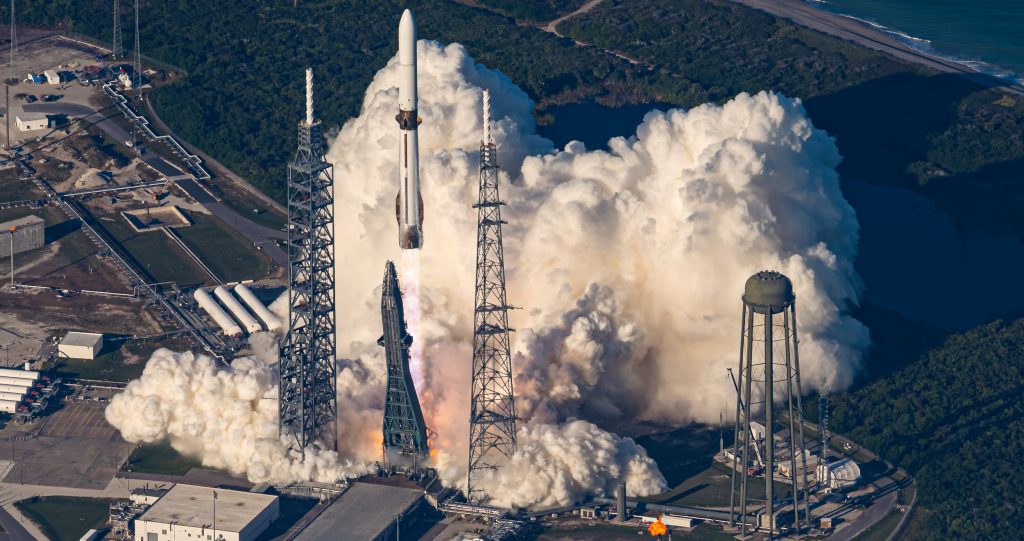
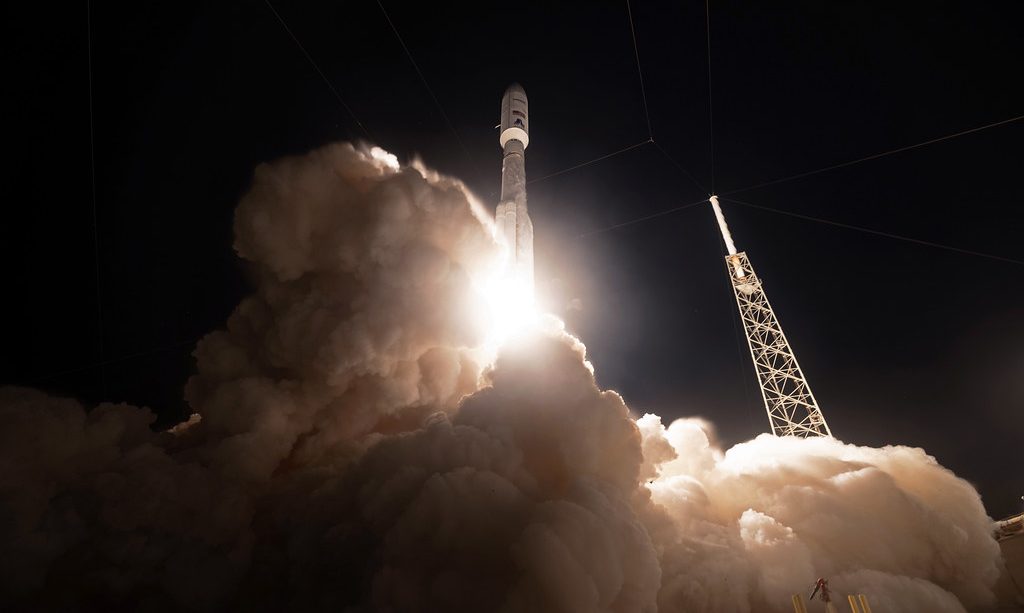
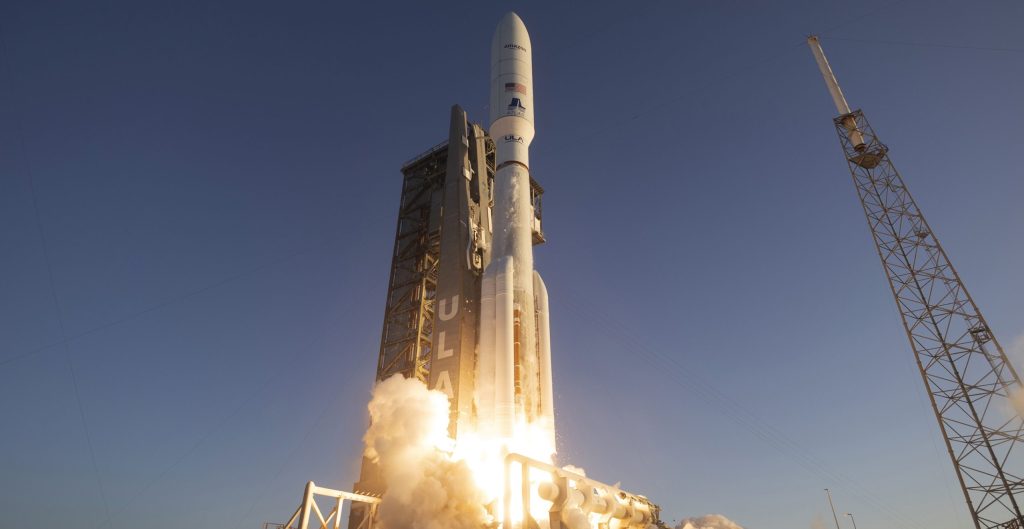
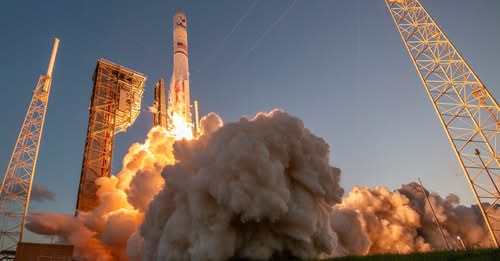
A month after becoming CEO, Bruno announced a deal with Blue Origin to use that company’s BE-4 engine for a new ULA rocket that would ultimately replace the Atlas 5 and Delta 4. That vehicle, which ULA later named Vulcan, made its first flight in January 2024.
The rocket is manufactured at ULA’s facility in Decatur and the BE-4 engines are built in Blue Origin’s plant in Huntsville’s Cummings Research Park.
Much of Bruno’s tenure was devoted to managing that transition at the company phased out the Atlas and Delta and introduced Vulcan. That took place against a backdrop of a dramatically shifting launch industry, as SpaceX evolved from an upstart to a behemoth that this year alone has performed 165 launches. ULA, by contrast, performed six launches, five of the Atlas 5 and one of Vulcan.