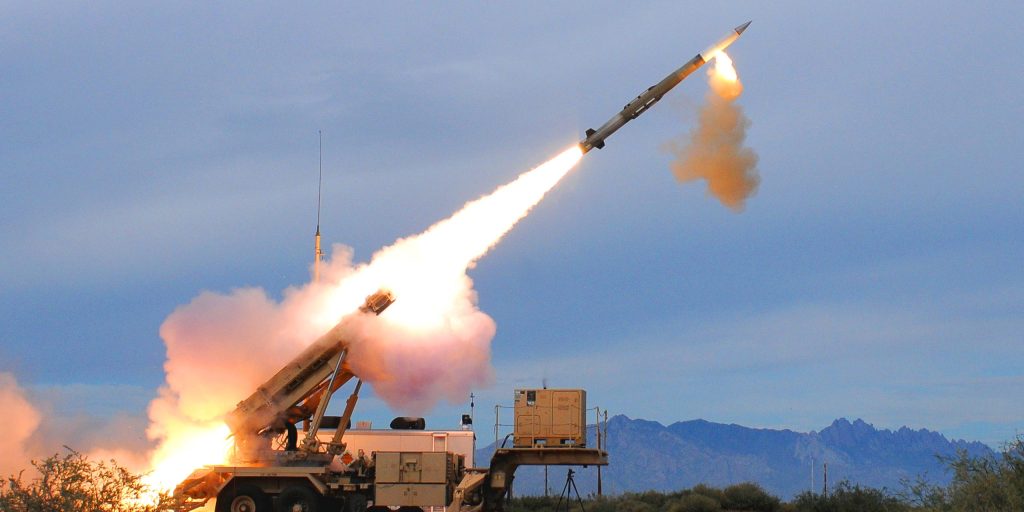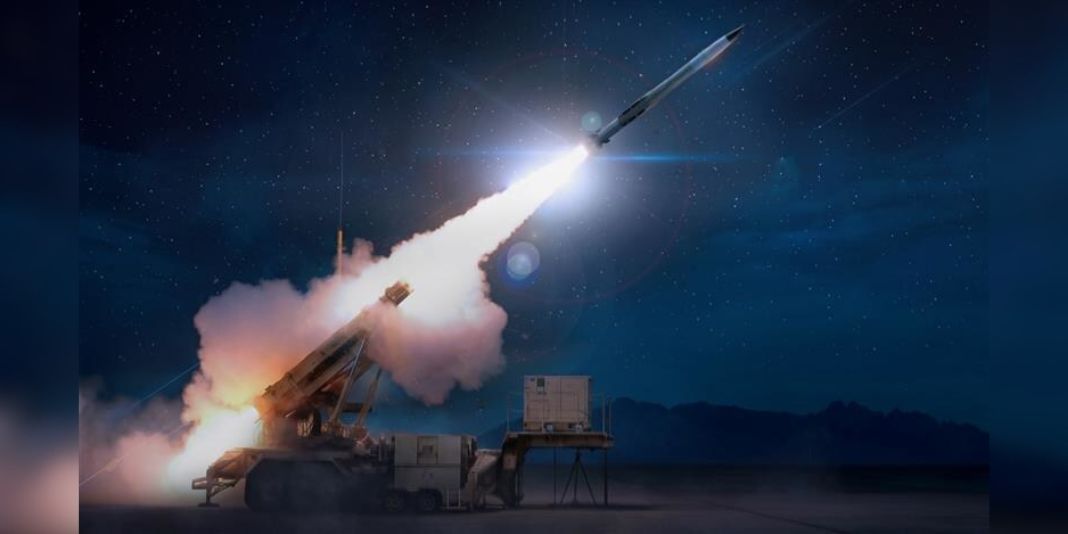
The Department of Defense has awarded Lockheed Martin Corp. a $4.7 billion contract to produce PAC-3 Missile Segment Enhancement interceptors.
Lockheed Martin maintains a major presence in the Rocket City, anchored by a long-standing campus in Research Park and supported by a growing network of facilities and workforce focused on missile defense, hypersonics and advanced aviation systems.
Lockheed Martin’s contract is $4.761 billion firm-fixed-price, to produce PAC-3 Missile Segment Enhancement (MSE) interceptors, along with associated equipment, services and manufacturing support. The contract runs through June 30, 2030, with work to be performed at multiple locations nationwide, including Huntsville.
Army Contracting Command at Redstone Arsenal is the contracting activity.
The PAC-3 MSE system is a cornerstone of U.S. and allied missile defense, designed to intercept and destroy incoming threats, including aircraft and advanced missile systems. The latest award supports accelerated production efforts aimed at increasing inventory and strengthening readiness amid evolving global threats.
In a statement, Lockheed Martin said the contract enables the company to “advance production acceleration and deliver record numbers of combat-proven interceptors for American and allied forces,” part of a broader push to expand manufacturing capacity across the defense industrial base.
The earlier Boeing agreement is part of the same broader initiative to increase capacity across the PAC-3 production line. Boeing’s Huntsville facility produces the missile seeker, often described as the “brain” of the system, while Lockheed Martin serves as the prime contractor responsible for overall missile production.
Together, the investments reflect a broader shift in defense strategy toward speed, scale and supply chain resilience, with Huntsville positioned as a key hub in that transformation.
Work under the Lockheed Martin contract will also take place in locations across the country, including Florida, New York, Texas and Arkansas, with funding drawn from both U.S. Army procurement and foreign military sales.
Defense officials say the investment supports not only national security priorities, but also long-term industrial growth, workforce expansion and technological advancement.