As Madison County and surrounding areas undergo rapid growth, getting fast, high-quality emergency medical care can often mean navigating heavy traffic, long drives, and crowded hospital waiting rooms.
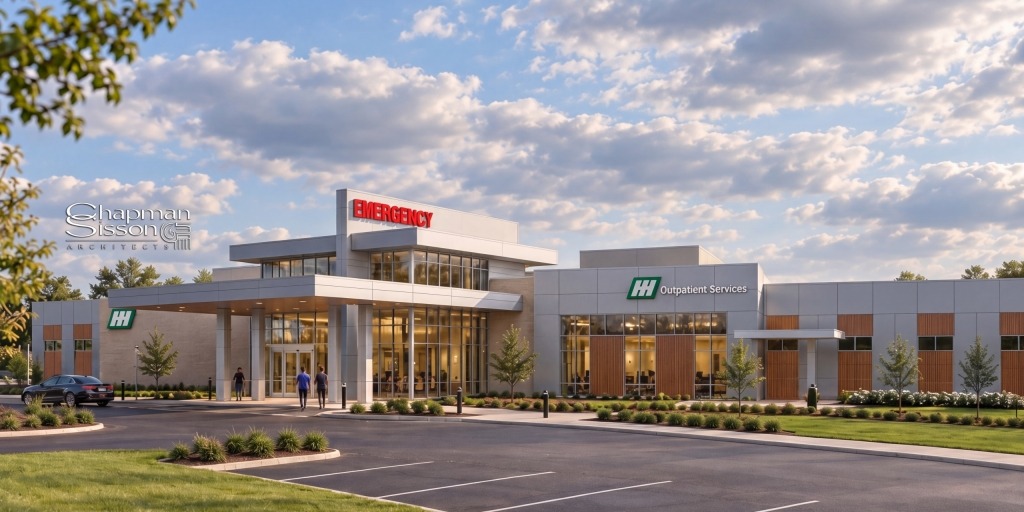
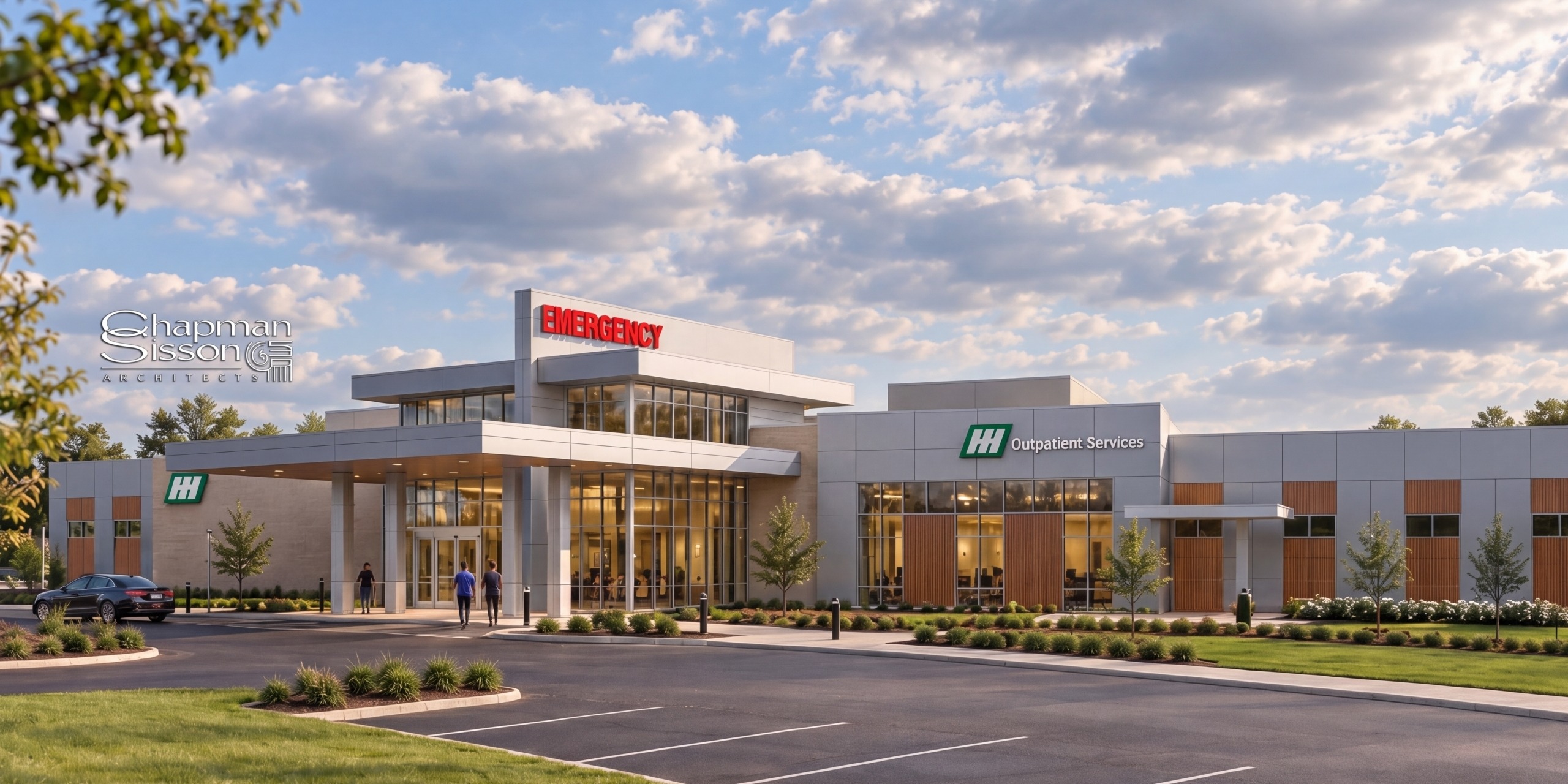
To directly tackle these challenges, Huntsville Hospital Health System is executing a strategic expansion plan centered on freestanding emergency departments (FEDs)—bringing 24/7 emergency care closer to the neighborhoods where North Alabama residents live and work.
For patients across high-growth and rural corridors, these standalone facilities represent a dramatic shift in how quickly they can access lifesaving medical attention.
What a Freestanding Emergency Department Means for Patients in Need
For many North Alabama residents, the concept of an emergency room that isn’t physically attached to a central hospital campus is relatively new. However, from the average patient’s point of view, a freestanding ER provides many of the same services as a traditional hospital emergency department.
“It has all the capabilities of a 24/7 emergency department staffed by board-certified physicians,” explains Jeff Samz, president and CEO of Huntsville Hospital Health System. “They’re going to have advanced imaging—CT, ultrasound, you name it. The main difference is that they will not have inpatient beds.”
This model is built around a simple reality: the majority of people who need emergency care do not actually require an extended hospital stay.
“The majority of patients treated in ERs are not admitted,” Samz notes. “They are cared for and stabilized and then sent home or discharged for follow-up care with their physician’s office. In a hospital like Huntsville, where you have a very acute ER, you might admit 30% of the volume and send 70% home. In a more rural community, it’s probably closer to 90 or 95% that gets discharged home.”
This distinction delivers two major advantages:
- Care Closer to Home: Families can receive emergency evaluation, advanced diagnostic imaging, lab work, and physician care without traveling into downtown Huntsville.
- Additional Emergency Capacity: By caring for patients who do not require admission closer to home, FEDs can help reduce pressure on hospital emergency departments and preserve capacity for patients who need more complex care. If a patient at a freestanding ER does require admission or a higher level of care, they can be stabilized on-site before being transferred to an appropriate hospital for continued care.
“These freestanding emergency departments allow us to provide the same level of emergency care closer to where people live while also helping relieve pressure on the trauma center,” Samz says. “Patients who need to be admitted can then be transferred to the hospital for continued care. It’s another way for us to expand capacity and access to better serve our communities.”
North Alabama Locations with New Freestanding ERs
The locations for these new emergency facilities were chosen with population growth, geography and access in mind.
North Alabama already has a freestanding ER in Harvest, which was originally established by Crestwood Medical Center prior to its integration into Huntsville Hospital Health System. To expand this level of local access, two key growth corridors are receiving new facilities:
1. North Huntsville, Hazel Green & Winchester Road
Positioned near the Bob Wade Lane corridor off the new bypass, this facility brings critical emergency infrastructure to rapidly growing residential pockets in North Huntsville, as well as northern communities like Hazel Green and Winchester Road.
“We really like the Bob Wade Lane area because of the growth we’re seeing in North Huntsville,” Samz says. “It’s an important investment in the northern part of our community and also gives us a strong location to serve families along Winchester Road and toward Hazel Green. We want to make sure access to healthcare keeps pace with the needs of these communities.”
For residents in these communities, having a fully equipped ER on a major thoroughfare removes critical miles and minutes when an emergency strikes.
2. Hampton Cove and Owens Cross Roads
On the eastern side of Huntsville, the new site along U.S. Highway 431 addresses a long-standing challenge for patients in Hampton Cove and Owens Cross Roads: geography.
During acute health crises, severe weather, or peak rush-hour traffic, getting over Cecil Ashburn Drive or Monte Sano Mountain to reach central Huntsville hospitals can create anxious delays.
“We looked at the population growth around Hampton Cove and Owens Cross Roads, along with the traffic challenges and geography of getting over the mountain,” Samz says. “That made this a logical place to expand emergency access for those communities.”
The facility will be located north of Caldwell Lane. By placing a 24/7 emergency facility at the base of the mountain, residents gain closer access to emergency physicians and diagnostic equipment right in their backyard.
Looking Ahead: Long-Term Emergency Healthcare Access
Bringing these facilities from concept to reality required navigating Alabama’s Certificate of Need (CON) regulatory process and state licensure requirements to guarantee that each building is designed for optimal patient safety and acute care delivery.
With those approvals in place and construction moving forward, the health system is positioning North Alabama for long-term health security. The system also retains property in the City of Madison, Samz said, which could support additional emergency medical capacity as regional populations expand further.
By placing advanced medical technology and board-certified physicians directly into expanding communities, freestanding emergency departments ensure that high-quality medical care is always just minutes away for North Alabama patients.
Got a tip for OTR? Send your tip to [email protected] with related photo/video, your name, phone number, and e-mail address.