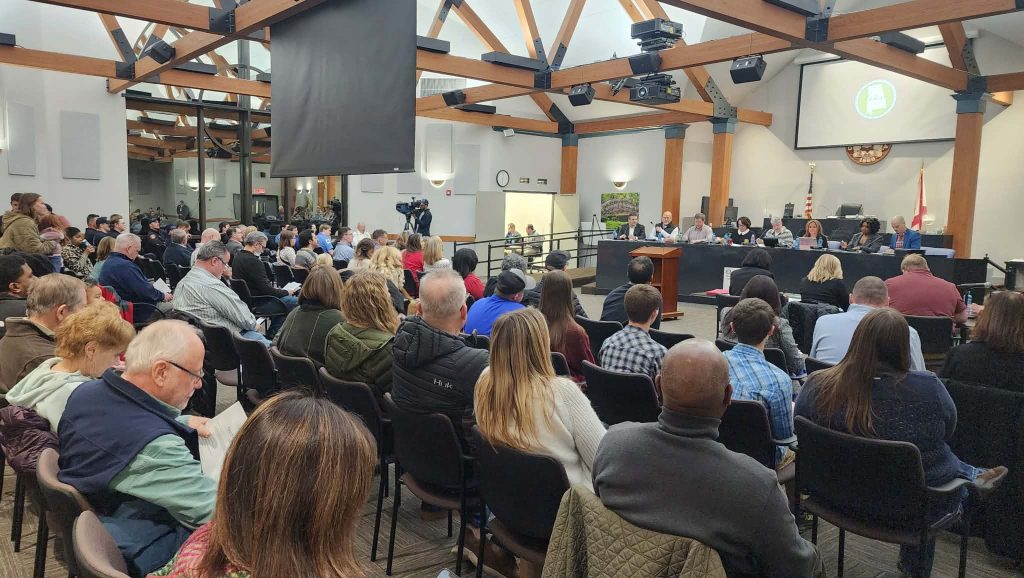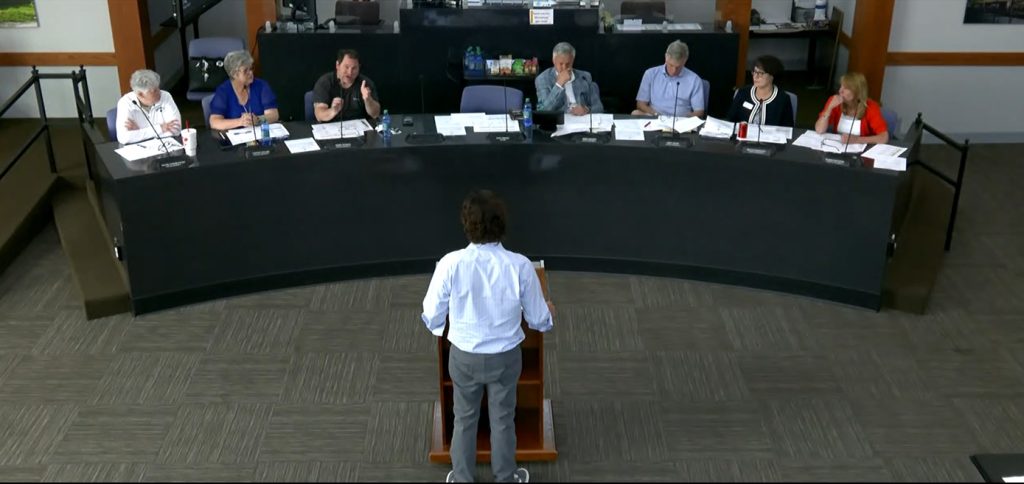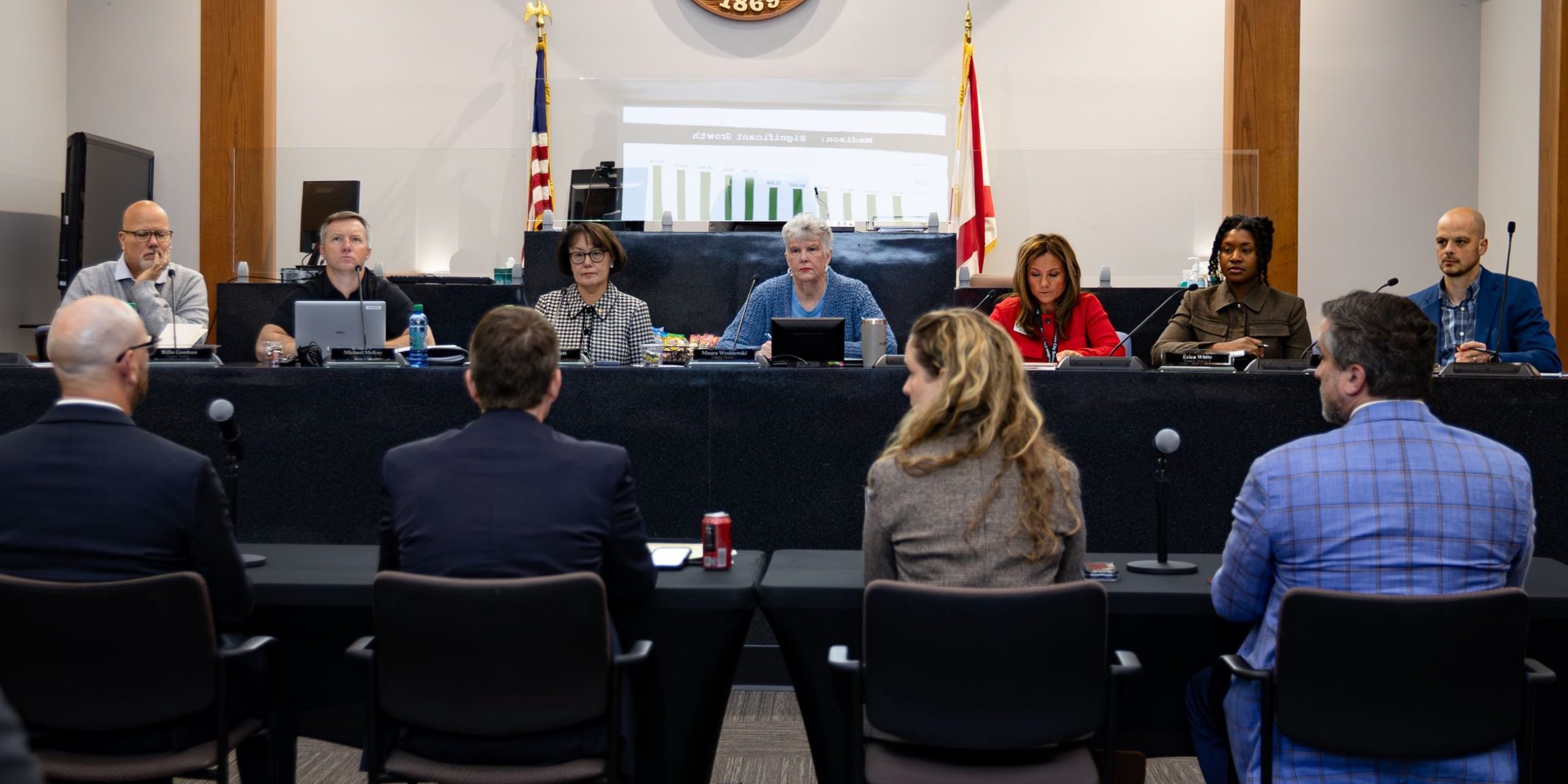
MADISON — The state’s online sales tax distribution process, which is the subject of a lawsuit, was center stage at a recent Madison City Council work session.
The council held the session last Wednesday to learn more about the Simplified Sellers Use Tax (SSUT) and how it affects local revenue. SSUT is the statewide system that collects sales tax on online purchases.
Tuscaloosa Mayor Walt Maddox and members of his team delivered a detailed presentation on the structure of SSUT, the challenges it creates for municipalities, and why Tuscaloosa is pursuing legal action related to the issue.
Rather than applying the same local tax rates that brick-and-mortar stores charge, Alabama uses a flat statewide rate for online sales. That money is then split among the state, counties and cities.
In August, Tuscaloosa, Mountain Brook and Tuscaloosa City Schools filed a lawsuit in Montgomery Circuit Court arguing that participating merchants with physical presences in Alabama should be paying traditional state and local sales taxes.
On Monday, the city of Mobile said it was joining the lawsuit against the Commissioner of the Alabama Department of Revenue over the state’s handling of the SSUT.
“Whether you live in a small town or a major city, every Alabama community deserves to be treated fairly,” Mayor Spiro Cheriogotis said. “The current SSUT structure isn’t fair to anyone, and left unchanged, this system will continue to decimate municipalities across the state.
“Mobile cannot sit on the sidelines while these critical decisions about our city’s future are made in the courts.”
They want the state to revamp the tax collection system so retailers with stores and facilities in the state remit to the state for online purchases the same state and local taxes they would for in-store purchases.
The 8% tax on online purchases began in 2016. According to the SSUT, 50% of online sales tax revenue collected goes to the state where it is further split – 75% to the state General Fund and 25% to the Education Trust Fund. The other half is split among local governments – 40% to counties on a population basis and 60% to municipalities on a population basis.
In simple terms: When someone in Madison shops online, the city does not receive the same percentage of sales tax revenue that it would if the purchase were made in a local store. Cities across Alabama have raised concerns that this system creates an uneven playing field and limits municipal budgets as online shopping grows.
The SSUT was worth a total of $851.1 million in 2024, up from $386.3 million in fiscal 2020, according to the Alabama Department of Revenue.
At the work session, Maddox and his staff related Tuscaloosa’s concerns and goals with the state to seek a more equitable method of taxing online sales.
“We want sales taxes to be collected in Alabama the way they’ve always been collected, and that’s by destination sourcing,” Maddox said on a recent episode of “Capitol Journal.” “Physical nexus matters … the way that SSUT has been created, it’s ignoring physical nexus.
“… If you buy it local, those dollars should stay local.”
State Rep. James Lomax also spoke to the council from the legislative perspective, and Madison Finance Director David Lawing reviewed how SSUT impacts Madison’s budget.
Lomax (R-Huntsville) introduced legislation last year that would take local deliveries out of the SSUT system and apply the local and state sales tax rates to them. It did not pass.
The City Council did not take a vote because the work session was strictly informational.
Discussions are expected to continue in the coming weeks as city leadership gathers more information and considers potential next steps.