NASA is accelerating its Artemis campaign, adding a new mission in 2027 and committing to at least one lunar surface landing every year beginning in 2028.
The update on Friday was part of a broader restructuring of the Artemis architecture aimed at increasing launch cadence, standardizing vehicle configurations and building toward a sustained American presence on the Moon.
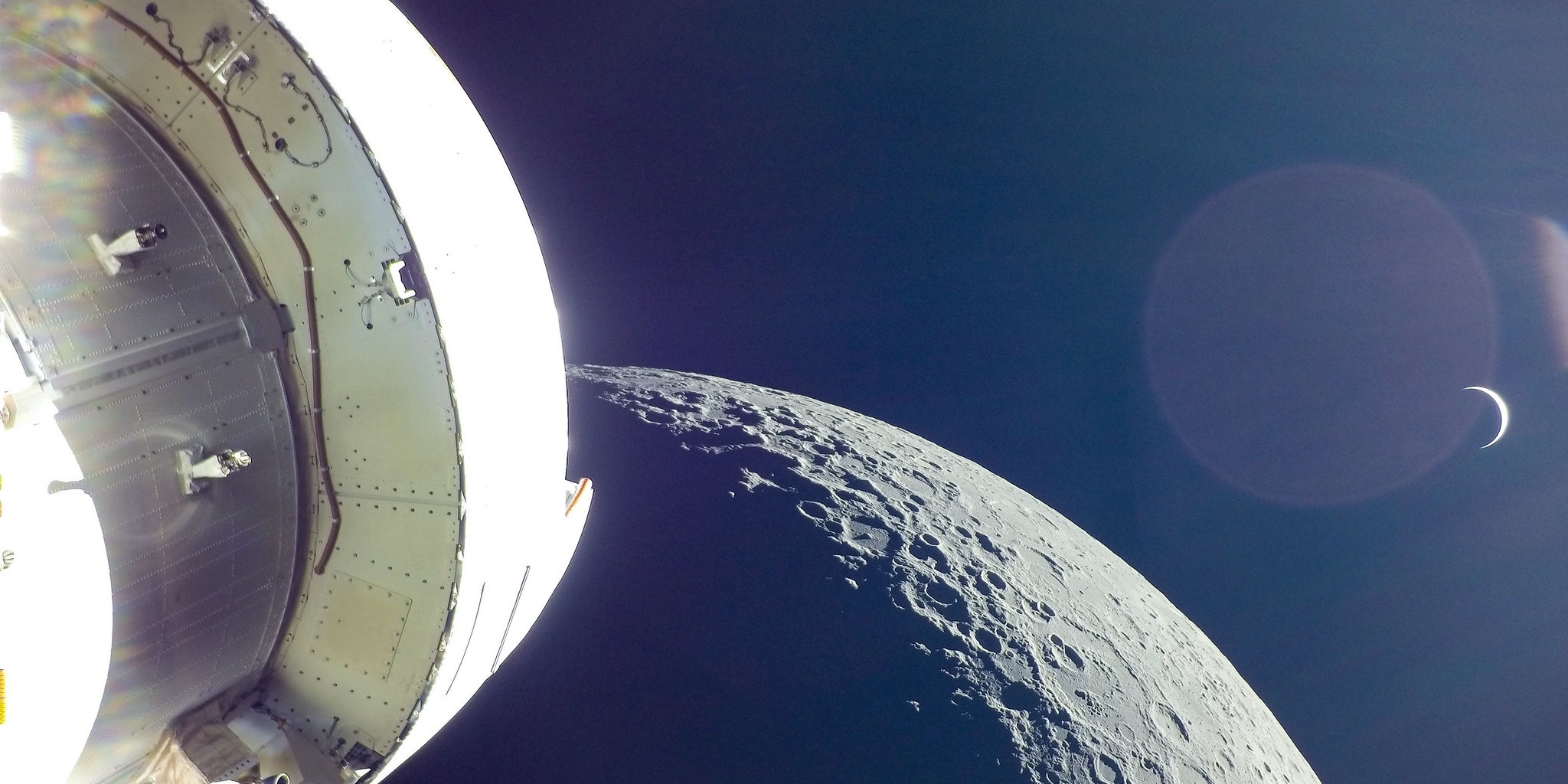
Under the revised plan, Artemis II remains the next mission in line, with a crewed flight around the Moon. Artemis III, now slated for 2027, will shift to a more robust test profile in low Earth orbit.
That mission is expected to include rendezvous and docking demonstrations with commercial lunar landers developed by SpaceX and Blue Origin. It will also include integrated tests of life support, communications and propulsion systems, and evaluation of new lunar spacesuits.
NASA officials said Artemis IV, planned for 2028, is expected to mark the next lunar landing, followed by a steady cadence of annual surface missions.
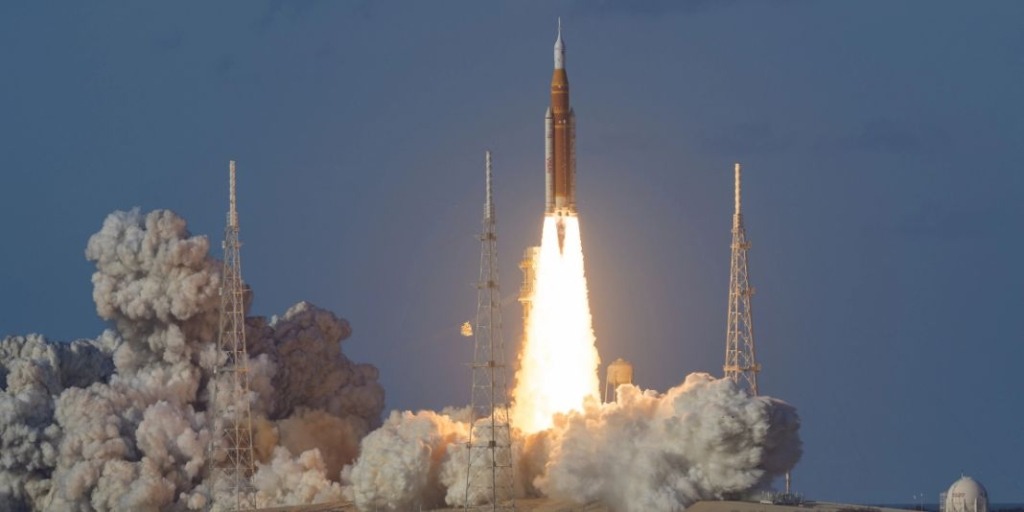
The agency also confirmed it intends to standardize the configuration of the Space Launch System rocket and Orion spacecraft for future missions, keeping them as close as possible to the current Block 1 configuration. Officials said maintaining consistency reduces production risk and allows lessons learned from early test flights to carry forward into landing missions.
“NASA must standardize its approach, increase flight rate safely, and execute on the President’s national space policy,” said NASA Administrator Jared Isaacman. “With credible competition from our greatest geopolitical adversary increasing by the day, we need to move faster, eliminate delays, and achieve our objectives.”
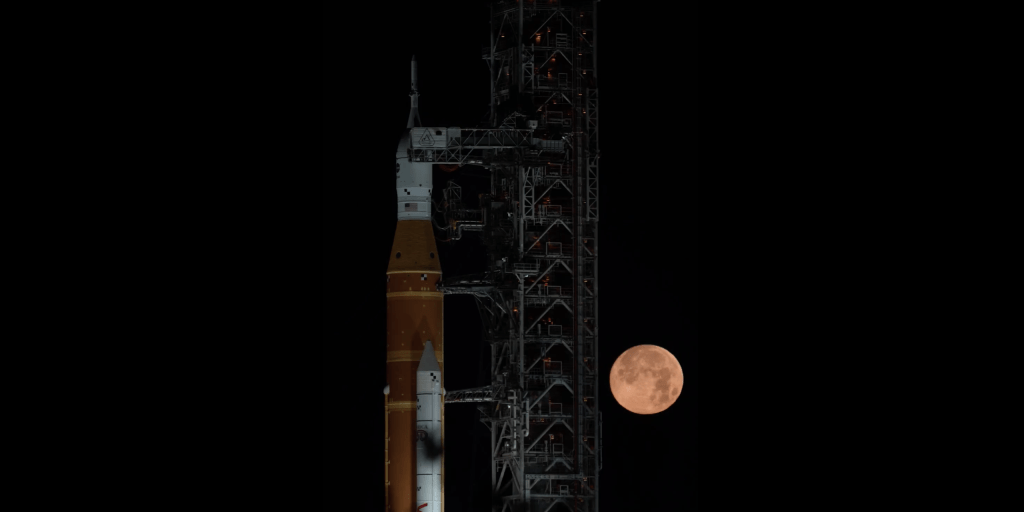
The announcement comes as Artemis II hardware undergoes additional work at Kennedy Space Center in Florida.
On Feb. 25, NASA rolled the Space Launch System and Orion spacecraft back into the Vehicle Assembly Building to address a helium flow issue connected to the rocket’s Interim Cryogenic Propulsion Stage. Teams are also replacing flight termination system batteries and completing required range safety testing ahead of upcoming launch opportunities in April.
The Artemis program is central to the nation’s long-term lunar strategy, which includes returning American astronauts to the Moon for the first time since Apollo and establishing infrastructure to support future missions to Mars.
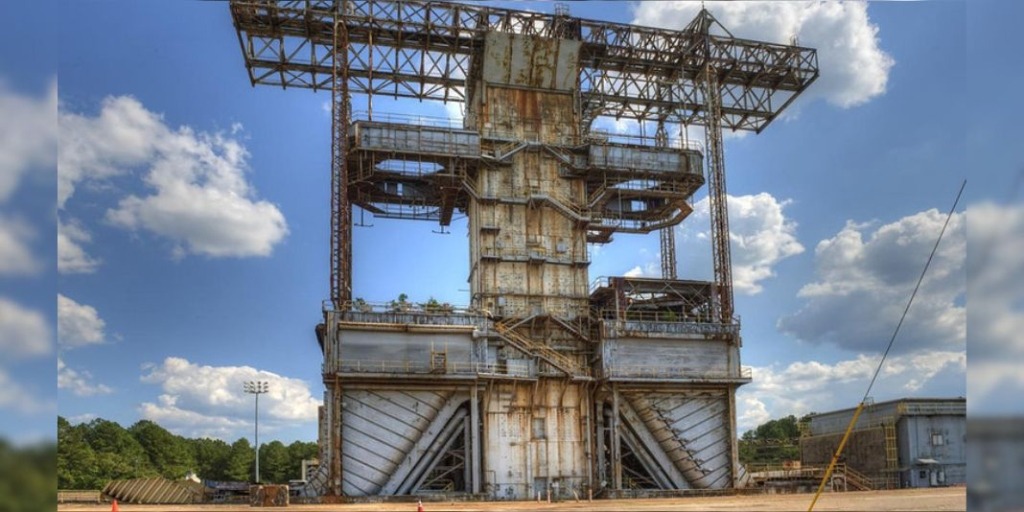
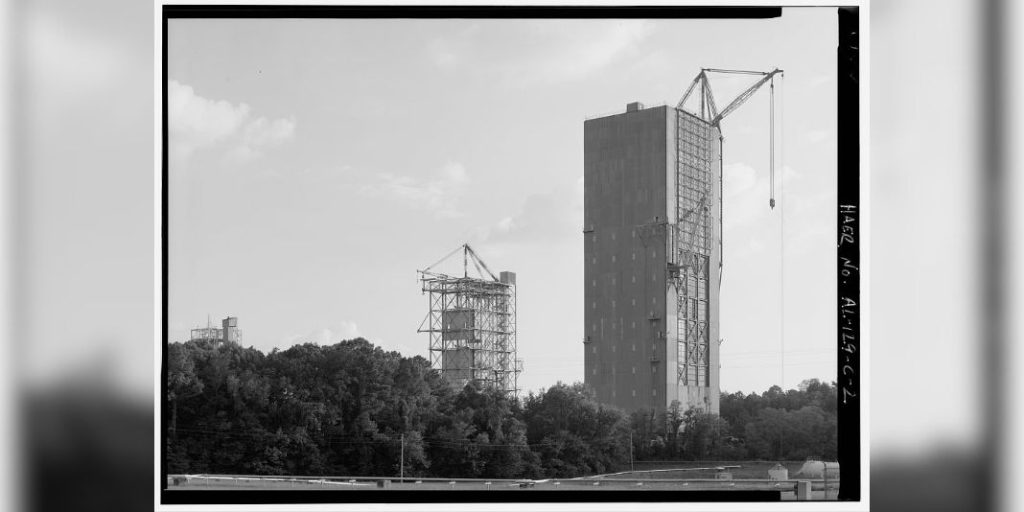
The latest development comes as teams across NASA’s Artemis program, including engineers at Marshall Space Flight Center in Huntsville, continue supporting launch readiness for the mission.
Marshall manages the Space Launch System program and provides ongoing technical leadership as NASA works toward its next crewed lunar flight.
More details about the updated Artemis III objectives are expected in the coming months as NASA completes reviews with its commercial and international partners.