WASHINGTON — The Defense Department continues to move vessels and aircraft across the Middle East to improve U.S. force protection, increase the defense of Israel and ensure the United States can respond to a range of contingencies, said Deputy Pentagon Press Secretary Sabrina Singh at a press briefing today.
The USS Abraham Lincoln carrier strike group will replace the USS Theodore Roosevelt carrier strike group, which is in the U.S. Central Command region, according to a DOD press release last Friday.
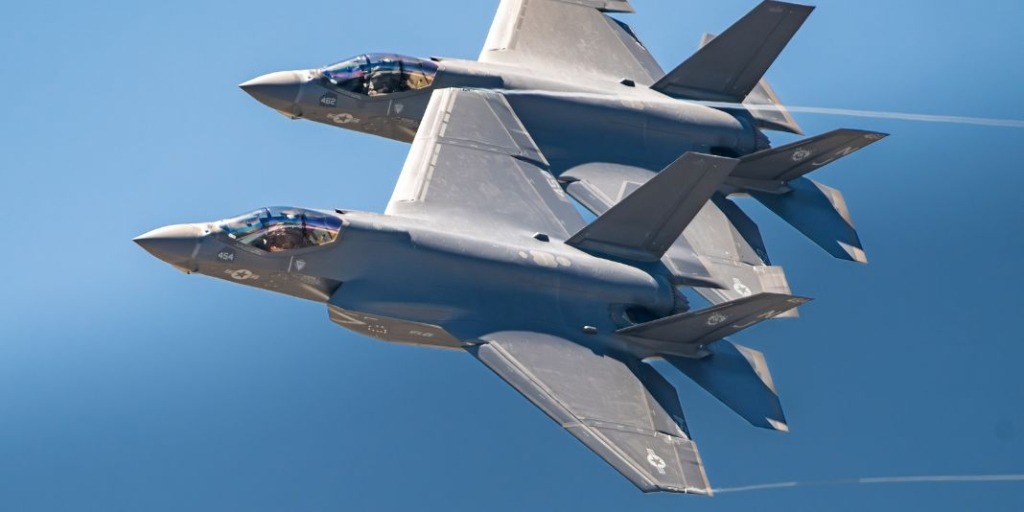
According to the statement, Secretary of Defense Lloyd J. Austin III ordered additional ballistic missile defense-capable cruisers and destroyers to the U.S. European Command and Centcom regions. He also ordered deployment of an additional fighter squadron to the Middle East to bolster defensive air support capability.
“These posture adjustments add to the broad range of capabilities the U.S. military maintains in the region, including the USS Wasp amphibious ready group/Marine expeditionary unit operating in the eastern Mediterranean,” the statement said.
Austin spoke Sunday with Israeli Defense Minister Yoav Gallant to reiterate that the U.S. has ironclad support for Israel’s security and right to self-defense against threats from Iran, Lebanese Hezbollah, Houthis and other Iranian-backed terrorist groups, Singh said.
“They discussed U.S. force posture moves that the department is taking for defense and deterrence and reinforced the need to de-escalate broader tensions in the region, to include strong support for a Gaza cease-fire and hostage-release deal,” Singh said.