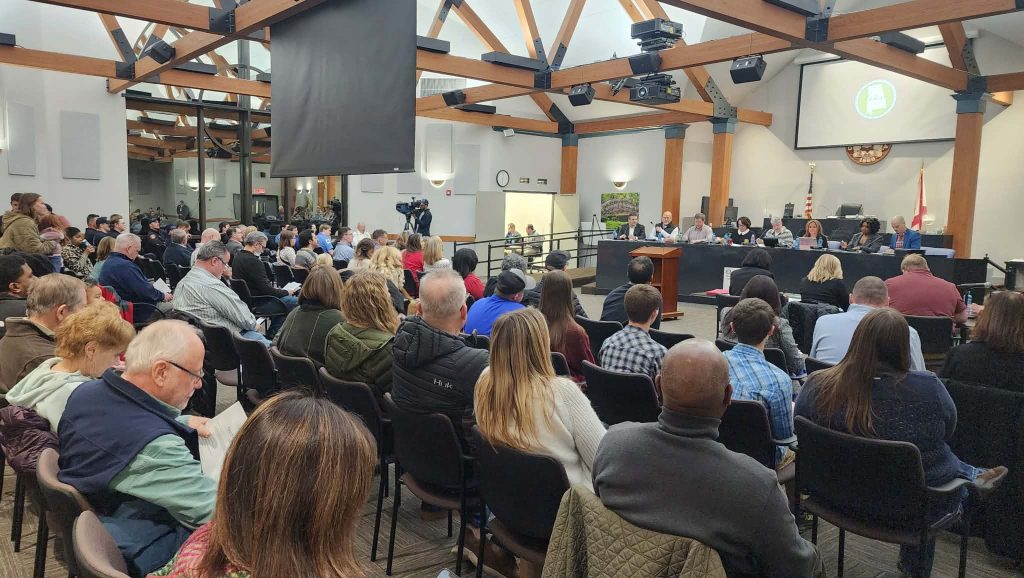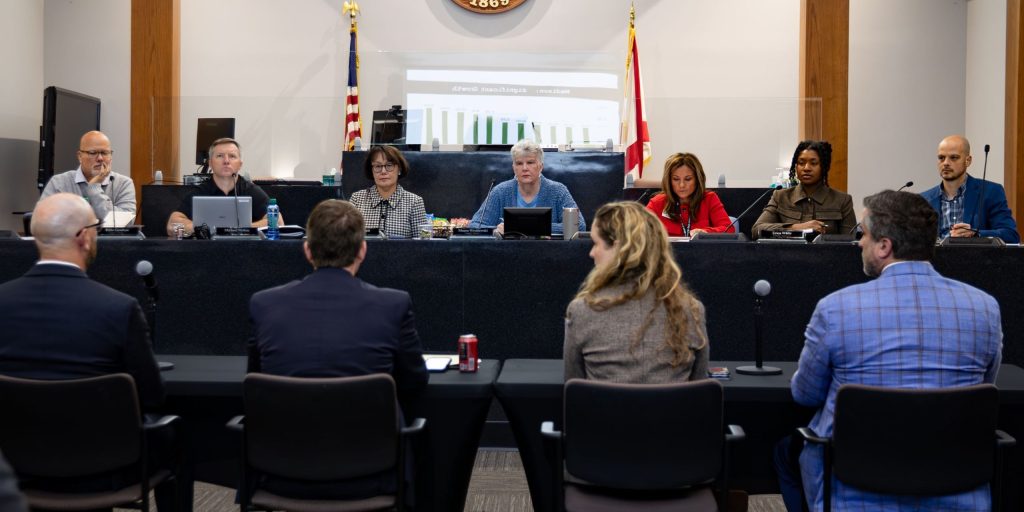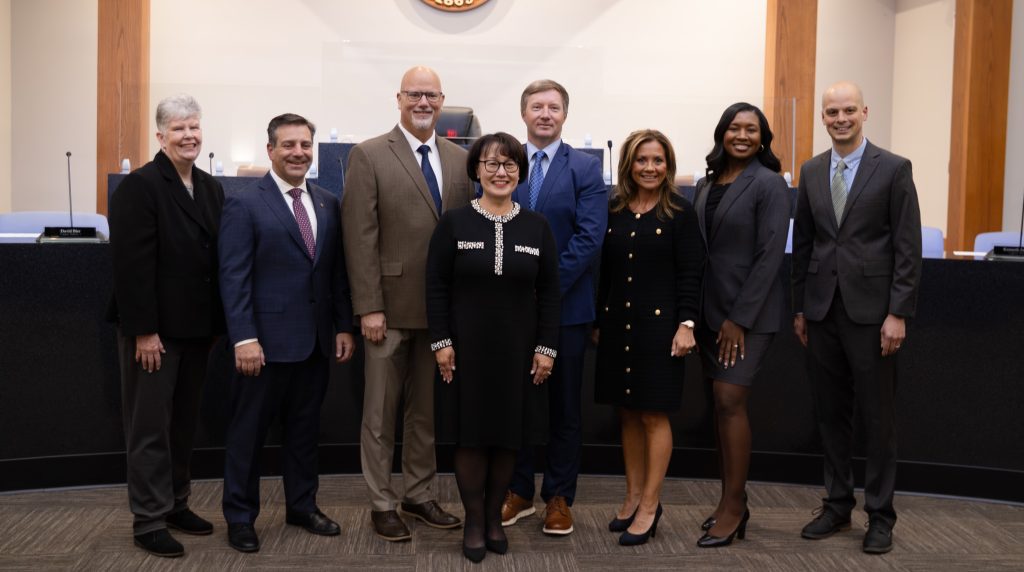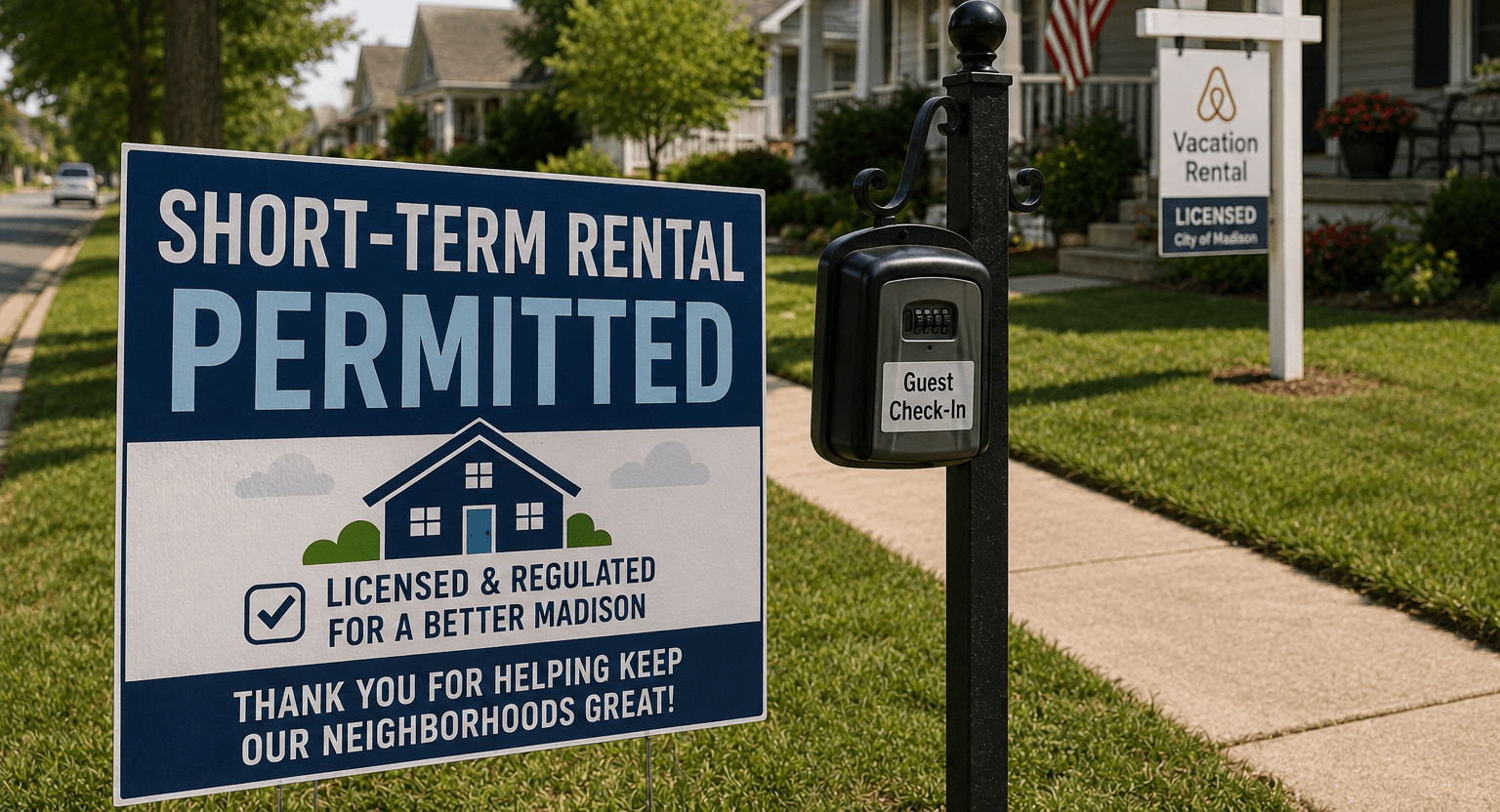
After hours of discussion on Monday night, the Madison City Council voted to approve short-term rentals and establish regulations for properties listed on platforms such as Airbnb and VRBO.
The ordinances cap the number of short-term rental permits at 190 citywide, require annual permits and inspections, establish occupancy and parking limits, mandate that a responsible party be available to respond to complaints within 30 minutes, and create enforcement mechanisms for nuisance violations. City officials said the regulations are designed to provide oversight for an industry that has largely operated without local rules.
The issue has been under consideration for several months and generated extensive public discussion, with residents voicing concerns about neighborhood character, housing affordability, parking, noise and enforcement.
Councilman David Bier, who voted in favor of the ordinance, said the proposal was designed to balance neighborhood concerns with a growing demand for short-term lodging in Madison.
“There is a clear market,” Bier said. “I think we’ve heard from a lot of folks here tonight that there are renters that we desire in the City of Madison, folks that are moving here from the FBI, from Space Command, from Eli Lilly that want a place to stay with their family.”
Bier said the city’s cap on permits and enforcement provisions were intended to preserve the existing housing supply while addressing concerns about noise, parking and nuisance properties.
“The idea of the .75, the less than 1%, is to say what is happening today and how do we maintain that,” Bier said. “That’s all we want to do, maintain what’s happening today and then add in the rules and regulations.”
Bier said the city was not simply allowing short-term rentals but creating regulations where none previously existed.
Mayor Ranae Bartlett echoed that sentiment, arguing that the city needed a framework to govern short-term rentals already operating within Madison.
“This is the first attempt to address something that has not been enforced and taken care of, and we need to take care of it. We can’t ignore it any longer,” Bartlett said. “We have to put some type of regulation and then follow what we say we’re going to do.”
Bartlett also noted that short-term rentals generate lodging tax revenue that can support city services while providing additional lodging options for visitors.
Opposition to the ordinance centered largely on concerns about preserving residential neighborhoods and maintaining housing affordability.
Councilman Kenneth Jackson voted against the measure, saying he had been conducting polls and talking to residents about the proposed regulations and a projected revenue of 300K annually for the city’s budget.
“Nevertheless, despite all those things that have been explained tonight, 83% of respondents in subdivisions without an HOA opposed allowing STRS and zones for single family dwellings. To me, we should heed the demands of citizens, not visitors,” Jackson said.
Although several speakers expressed support for regulated short-term rentals, public comment was overwhelmingly opposed to the proposal, with residents raising concerns about housing costs, investor-owned properties and the impact on established neighborhoods.
Among those speaking against the ordinance was resident Eric Keniuk, who organized the “Keep Madison Homes Local” petition effort and led much of the community opposition to allowing short-term rentals in single-family neighborhoods.
Keniuk argued that increasing the number of investor-owned properties could make homeownership more difficult for local families.
“The addition of investors into an already crowded market will only push prices further for locals here looking to call Madison home,” Keniuk told council members.
Keniuk said many of the properties likely to become short-term rentals are located in Madison’s more affordable neighborhoods and argued that the policy would make it more difficult for first-time homebuyers to enter the market.
Despite opposition from some residents and council members, the council voted 4-2 to allow short-term rentals and 5-1 to adopt a regulatory framework governing their operation. Council members Kenneth Jackson and Michael McKay voted against allowing short-term rentals, while McKay was the dissenting vote on the regulatory ordinance.
The move makes Madison one of the latest North Alabama cities to regulate the growing industry rather than prohibit it.
Got a tip for OTR? Send your tip to [email protected] with related photo/video, your name, phone number, and e-mail address.