For a North Alabama woman with deep family ties to Venezuela, the events unfolding this weekend were not just breaking news, but deeply personal moments of uncertainty for loved ones.
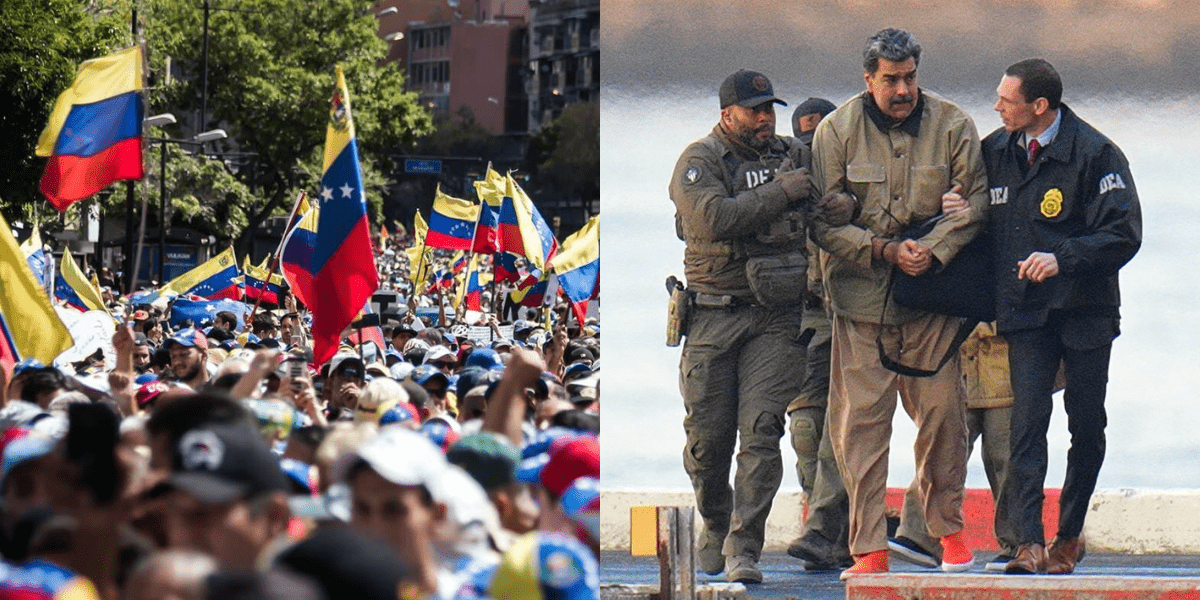
Reports that Venezuelan President Nicolás Maduro had been captured during a U.S. military operation in Caracas early Saturday and later transported to the United States to face federal criminal charges sent shockwaves through Venezuelan communities at home and abroad.
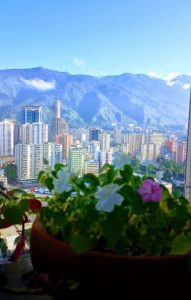
S.C., a Huntsville-area resident who asked to be identified only by her initials, was born and raised in Venezuela before moving to the United States as a child. She returned to the South American country as a young adult and has now lived in North Alabama for more than a decade. At 34, her life is firmly rooted in Alabama, but much of her heart remains in Caracas, where most of her family still lives and where the reported arrest unfolded just miles from their homes.
“I have my dad, his family, his mom included, which is my grandmother, and I also have my mom’s parents who are also elderly,” she said. “They’re in their 70s and 80s, touching 90s. Her brother’s also there. Her uncle. So I have quite a bit of family.”
All of them live in Venezuela’s capital city. S.C. said daily life for her family has long been shaped by shortages, instability, and fear for the past two decades.
“They go through not having enough medical resources. They go through power outages, water outages, a lot of paranoia whenever it comes to our country’s security,” she said. “It’s so corrupt that there’s no really safe environment to walk around.”
She first learned something was happening early Saturday morning.
“I woke up on Saturday morning, I would say around 4:00 a.m., and I randomly woke up and I happened to check my phone,” she said. “And here I have several messages asking if my family was OK.”
Communication with her family happens almost entirely through WhatsApp, which she said has become a lifeline for Venezuelans inside and outside the country. She immediately reached out to her father, who told her they could hear explosions but were not in immediate danger.
“He was telling me that everything that was going on, that they could hear what was going on,” she said. “But it was just hearing everything that was going on, like the bombs landing and such.”
While her family could hear the blasts, she said there was little clarity in the moment about what was happening or why.
“I don’t think they had any idea of what was going on,” S.C. said. “It was just a matter of waking up to these things and not realizing what was going on immediately.”
Her father, she said, is feeling a mix of emotions that many Venezuelans share right now.
“Everything can be true at once,” she said. “In a way it’s a relief, because I don’t think there was any way that our country could turn things around without any aid from another country. But also I don’t think we expected for things to happen this way.”
Fear remains constant, especially with elderly relatives who depend on reliable access to medicine and care.
“What worries us is how we have our elderly there and if they need any medical attention,” she said. “How are they going to move around in search of medicine or resources?”
She said while her family was safe “for now,” uncertainty dominates every conversation.
At the same time, S.C. said there is still hope, however cautious, that something better could come out of years of hardship.
“We hope things turn around for the better, that the government isn’t so corrupt,” she said. “The main goal is feeling safe and being able to slowly start recovering back to something better.”
For Venezuelan families living in the United States, the concern extends beyond borders. S.C. said many are also unsure what recent developments mean for immigration policies and legal processes in the United States.
“We don’t know what to expect,” she said. “Number one, to our families who are still down in Venezuela, and number two, to our immigration process here. What is going to happen?”
For now, she said, the focus is simple.
“I think at this point we all want our families to be safe,” she said. “Everyone just wants their family to be safe.”