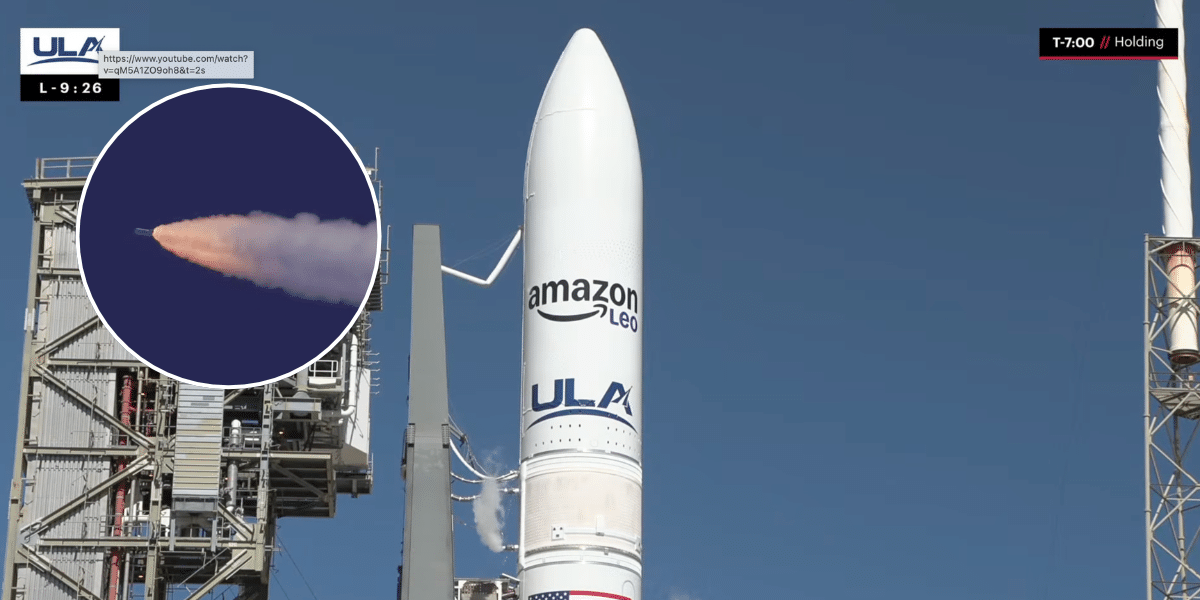
A United Launch Alliance Vulcan rocket built in Decatur failed to reach orbit Sunday, resulting in the loss of 40 Amazon Leo satellites and prompting an investigation into what went wrong.
The rocket lifted off from Space Launch Complex 41 at Cape Canaveral Space Force Station in Florida on Nov. 15. About 10 minutes into the flight, the vehicle experienced an anomaly that prevented it from delivering its payload to orbit.
“Based on data received by our Launch Director, we confirm that the Vulcan vehicle launched from Space Launch Complex 41 suffered an anomaly 10 minutes into the flight and failed to deliver the Amazon mission to orbit,” ULA said in a statement Sunday.
The mission, known as Vulcan Leo 1, was intended to deploy 40 satellites for Amazon’s expanding satellite internet network.
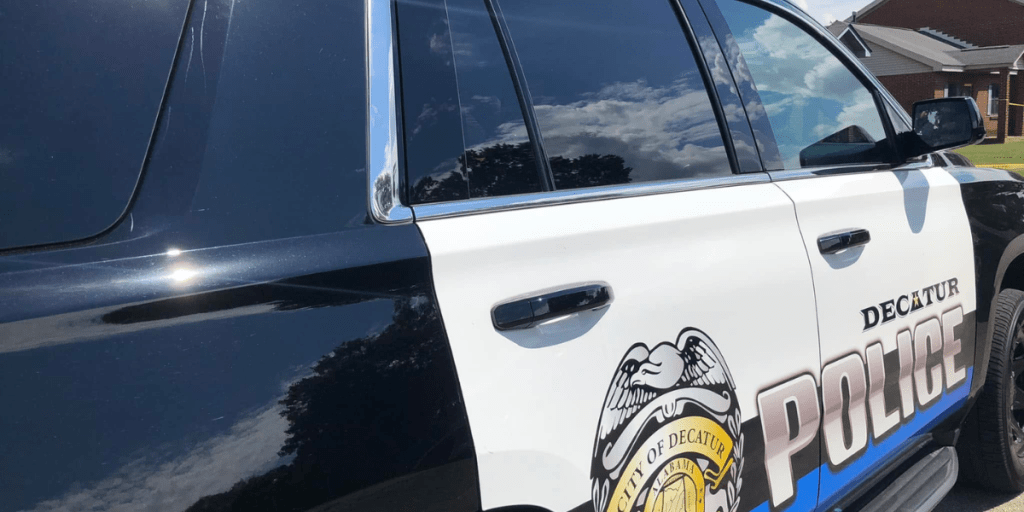
ULA manufactures and assembles its Vulcan rockets at its massive production facility along the Tennessee River in Decatur, where the company builds rocket structures and upper stages before transporting them to launch sites.
The facility is a major part of North Alabama’s aerospace industry and serves as the manufacturing hub for ULA’s next-generation Vulcan rocket.
Investigation underway
ULA said it was too early to determine what caused Sunday’s failure.
“Every flight generates data, and every flight teaches us something,” the company said. “Since the anomaly just occurred, we don’t have any specific data yet to understand what occurred today.”
The company said it will work with Amazon and other appropriate organizations to investigate the failure, identify corrective actions and determine when Vulcan can safely return to flight.
“ULA exists to provide assured access to space for our nation and for the customers who depend on us,” the company said. “That purpose is why we take on some of the hardest missions in spaceflight, and why we hold ourselves to the standard of mission success. Today, we did not meet that standard.”
Sunday’s mission marked Vulcan’s fifth flight and its first outright mission failure.
The rocket had previously experienced problems involving its solid rocket boosters during earlier missions, prompting additional engineering work and testing.
However, ULA has not identified the cause of Sunday’s anomaly, and it remains unclear whether it was related to any previous technical issues.
Setback for Amazon’s satellite network
The failed mission was the first of 38 Vulcan launches Amazon has contracted with ULA to help build its Leo satellite internet constellation.
Amazon is developing the network to provide broadband internet service using thousands of satellites in low Earth orbit.
The company has also contracted with other launch providers, including Blue Origin, SpaceX and Arianespace, to deploy its satellites.
Sunday’s failure comes as Blue Origin, which manufactures BE-4 rocket engines in Huntsville for both Vulcan and its own New Glenn rocket, continues work to return New Glenn to flight following a May hot-fire test explosion in Florida.
ULA’s Vulcan uses two BE-4 engines on its first stage. The cause of Sunday’s failure has not been determined, and there is no indication from ULA that the engines were responsible.
ULA said it remains committed to investigating the incident and returning the rocket to service.
“We will work closely with our customer and other appropriate organizations to find the cause, determine the appropriate corrective action, and return to flight as quickly as possible,” the company said.
The company said additional updates will be released as more information becomes available.
Got a tip for OTR? Send your tip to [email protected] with related photo/video, your name, phone number, and e-mail address.