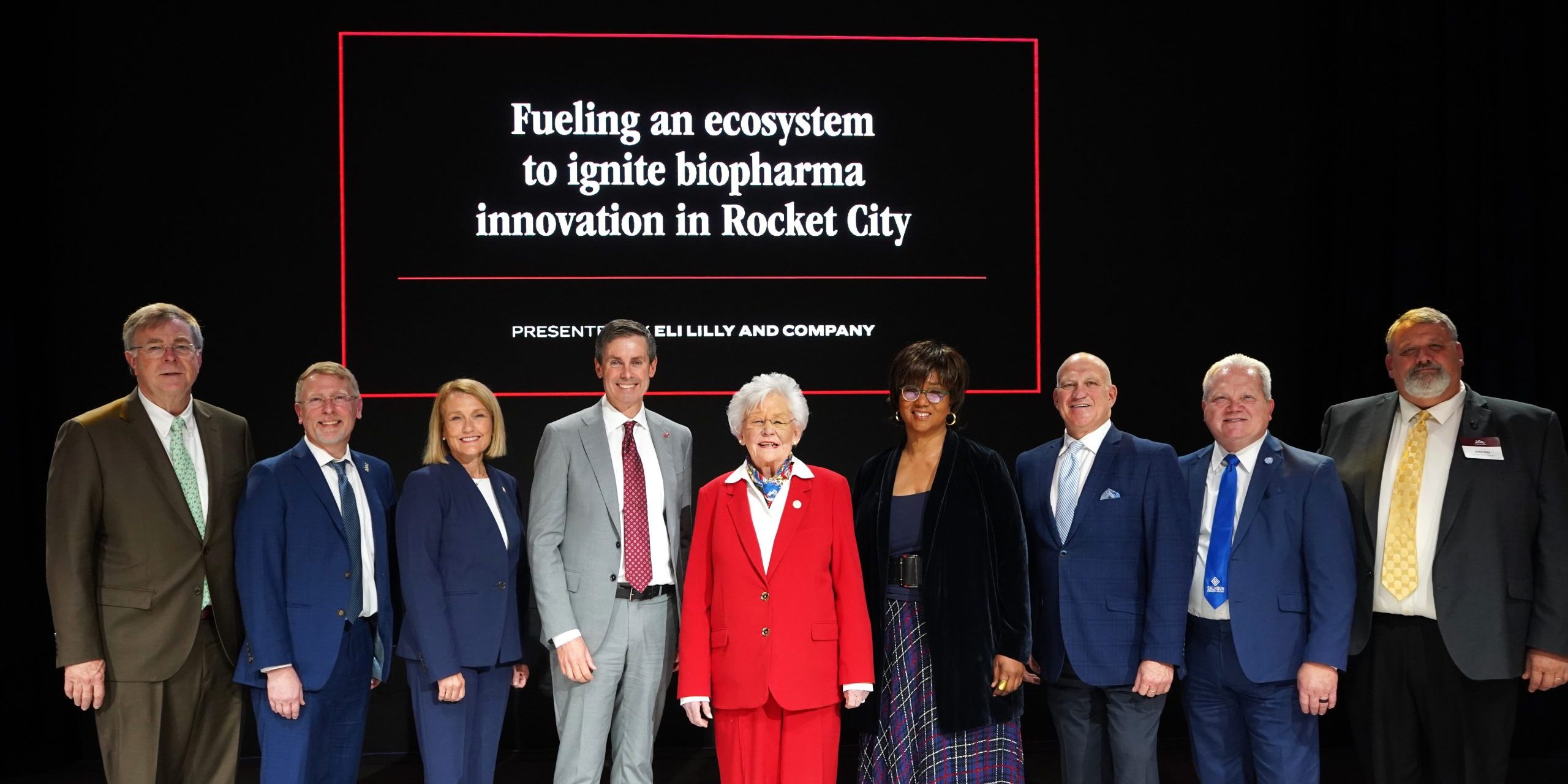
HUNTSVILLE — “Fueling an ecosystem to ignite biopharma innovation in Rocket City.”
That was the title of the panel discussion Tuesday where Eli Lilly CEO David Ricks announced his company was building a $6 billion next-generation pharmaceutical manufacturing facility.
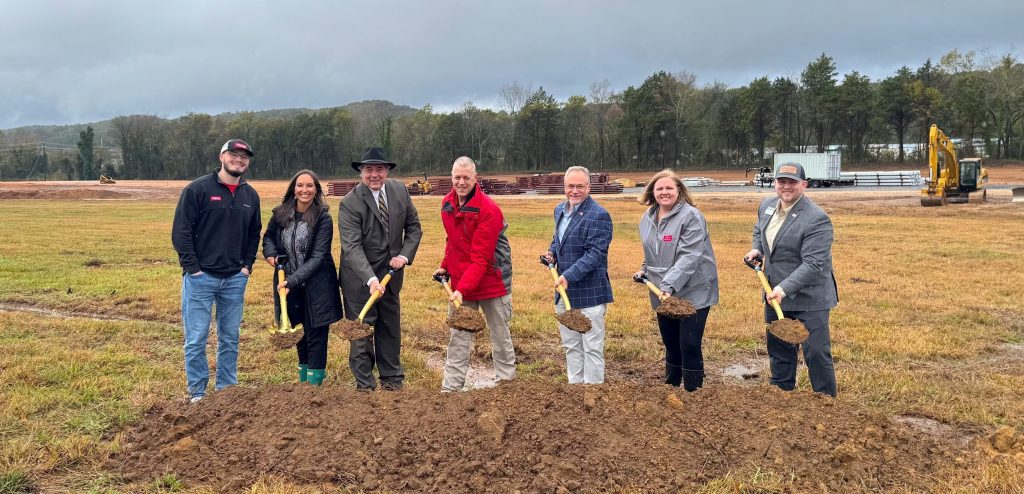
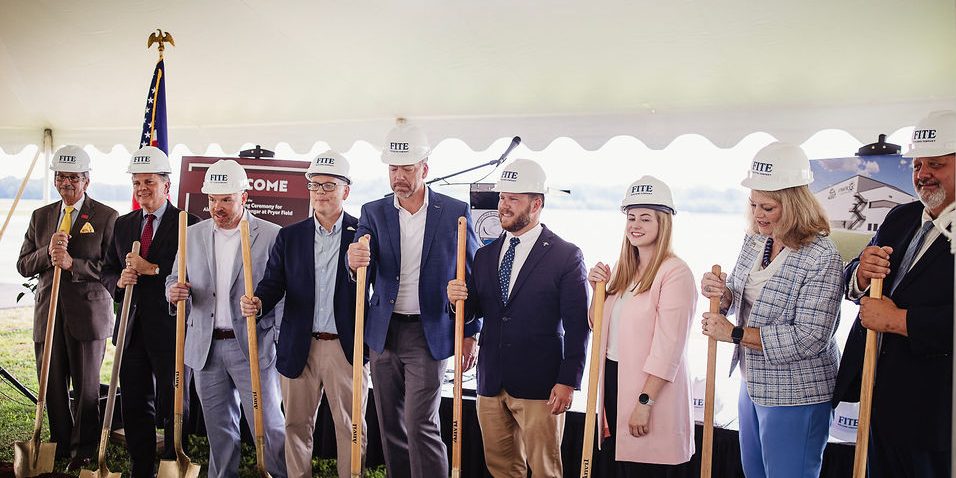
And, when a few turns of the red clay in Vance a couple decades ago transformed the state into an automaking giant, officials said when the shovels are in the red clay in Limestone County, it will mark a similar transformation for the state and region.
 “Mercedes was the lone auto manufacturer at that time,” said Alabama Commerce Secretary Ellen McNair. “And now, they’re all across the state.”
Huntsville Mayor Tommy Battle also noted the historic significance of the announcement.
“That decision changed Alabama’s trajectory forever, helping make us a national leader in automotive manufacturing,” he said. “Lilly’s decision will do the same for next-generation medicine and advanced pharmaceutical manufacturing.”
The decision came after years of recruiting by state and local government officials and business representatives and site visits by Lilly officials.
“This is an incredible, unique project that will redefine our state in ways we can’t really imagine,” McNair said. “It was two years of recruitment and work to get to this day.
“”This is a very special site that has been waiting a long time.”
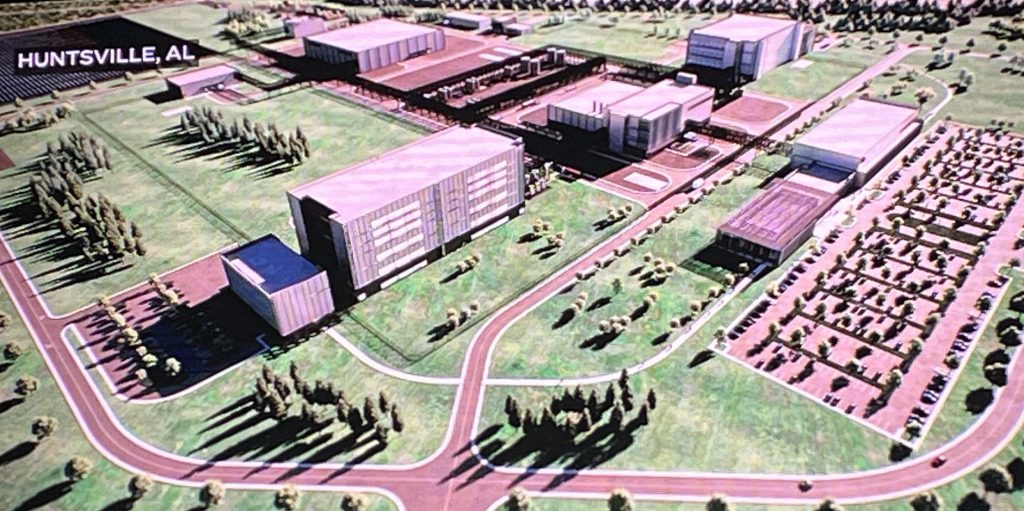
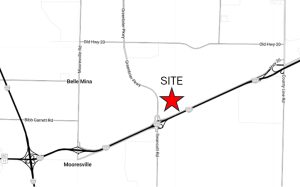
The advanced facility will be constructed on a 260-acre site at the northeast corner of I-565 and Greenbrier Parkway in Huntsville-Limestone County. Lilly’s campus will focus on domestic production of small molecule synthetic and peptide medicines, including oral GLP-1 products.
“We’ll make synthetic medicines – to treat obesity, diabetes, cancer,” said Ricks. “We’ll make them here and ship them around the world.”
With this transformational project, Huntsville continues building on more than three decades of biotech growth – from Qualitest and Vintage Pharmaceuticals to HudsonAlpha’s world-class institute, Discovery Life Sciences and Glaukos – further cementing the region as a national center for advanced biotechnology and pharmaceutical innovation.
“Huntsville and our entire state have a proven legacy of innovation, and there is no better home for Lilly than right here in Alabama,” said Gov. Kay Ivey. “Our roots in the biosciences industry run deep, and Alabama’s contributions to this burgeoning sector continue,”
Alabama’s bioscience sector generates more than $7.3 billion in annual economic impact, supports over 1,800 bioscience enterprises, and employs more than 15,000 people statewide, according to Alabama Department of Commerce data.
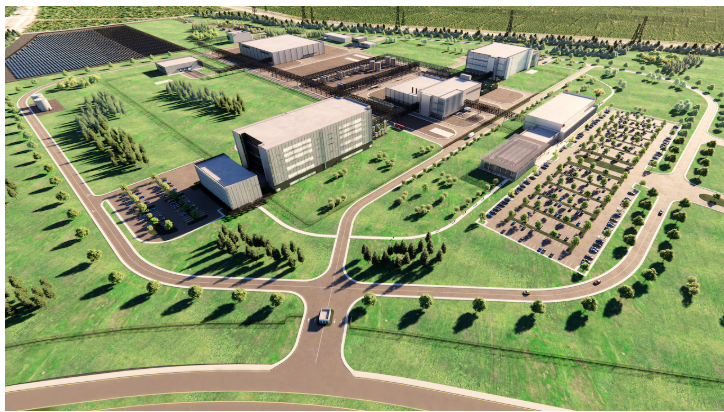
Once operational, the project will create 450 high-value jobs, including engineers, scientists, operations personnel and lab technicians.
Ricks said Huntsville’s workforce, infrastructure and innovation culture were decisive factors.
“Huntsville’s track record of science and innovation, supported by advanced manufacturing expertise and a skilled workforce, makes Alabama an ideal location for Lilly to expand domestic manufacturing capacity for next-generation medicines,” Ricks said. “In 20 years, I think we can say this has become the world’s leading biopharma area.”
On the panel Tuesday, University of Alabama in Huntsville President Charles Karr and Calhoun Community College President Jimmy Hodges represented an education collaboration that will be key to providing the workforce for the facility – from construction through research and production.
“This will change the way we teach,” Karr said. “We can take a chemical engineering degree and infuse it with more bio. Producing the drugs will require will require chemical engineers.
“That’s right in our wheelhouse at UAH.”
Hodges said the community colleges are able to produce the workers for the construction and the plant’s automation.
“We have a process tech program to run the machines,” he said. “You’re going to need industrial technicians, welding robotics, pipefitters. Calhoun is the source off all those trades.”
Alabama Industrial Development Training, Alabama’s primary workforce development agency, will assist Lilly with a training center and provide help in assembling and training the workforce.
“The AIDT program is consistently in the top three of workforce development in the country,” McNair said. “We’ll build a training center just for this project.”
Kirk cited the training center as one of the keys to locating here.
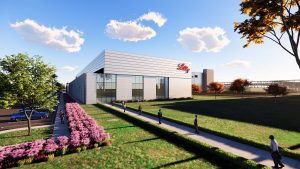 “Where will the people come from?” he asked. “We’ll hire them from North Alabama. This is the most advanced automated plant we’ve ever built.
“Over the next four years or so, we’ll bring in 3,000 people of various skills.”
Jeff Samz, chair of the Huntsville-Madison County Chamber’s Board of Directors and CEO of Huntsville Hospital Health System, echoed the area’s skilled workforce as a determining factor for Lilly.
“The abundance of talent and quality of life we enjoy here are key to location decisions, and this announcement is a positive reflection on our collective efforts to grow in a smart way,” he said.
The impact of the Lilly facility will spread beyond Huntsville throughout North Alabama, Ricks said.
“We expect to have a ($24 billion) economic impact in North Alabama,” he said, citing businesses and suppliers for Lilly. “The spillover to the community is tremendous.”
Battle said Lilly’s decision was a “tremendous vote of confidence in our people and our future.”
“Huntsville has long been a place where innovation thrives and hard, ‘impossible’ things get done,” said Battle. “We’re proud to welcome Lilly to our community and excited to help shape the next era of breakthrough medicine.”
Ivey, in her trademark way, welcomed Ricks and Lilly.
“I am thrilled to officially welcome Lilly to sweet home Alabama,” she said. “This was a hard-fought battle to win this project for Huntsville and the state of Alabama.
“Let the countdown begin to improving the health and wellbeing of people all around the country and globe.”