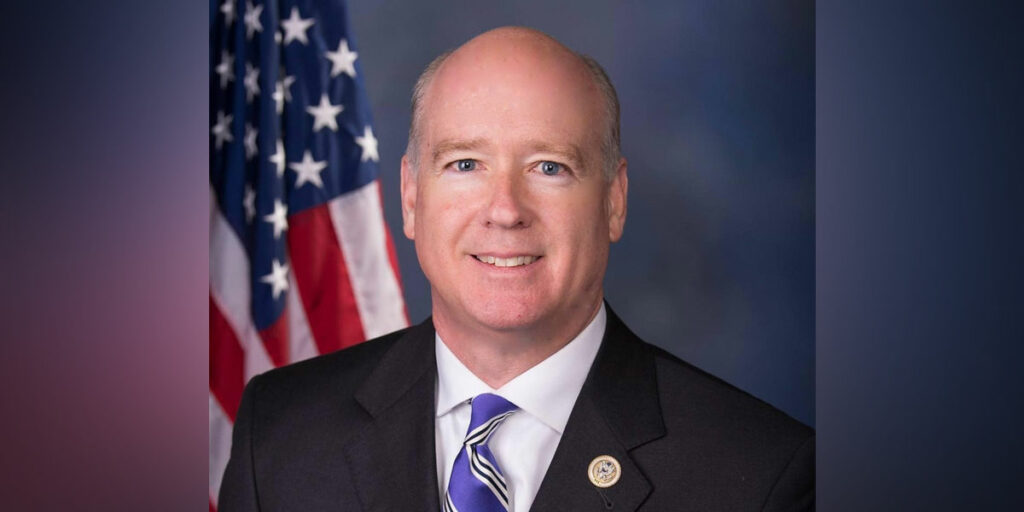
State Rep. Jeana Ross (R-Guntersville) has prefiled HB78 ahead of the 2026 legislative session, proposing a comprehensive, statewide framework governing screen use for children from birth through kindergarten in licensed childcare and public education settings.
Ross brings extensive experience in education policy and early childhood development to the issue.
She spent 18 years working in Alabama’s public school system before being appointed in 2012 by Governor Kay Ivey as Secretary of the Alabama Department of Early Childhood Education.
In that role, Ross oversaw the expansion of Alabama’s nationally recognized, voluntary First Class Pre-K program. In 2017, she was also appointed to serve as a Commissioner for the Education Commission of the States.
256 Today spoke with Ross about the purpose of the bill and why it is important for Alabama’s children.
Drawing on her background in early childhood education, Ross says HB78 is built on scientific research examining how screen use affects early brain development.
“Well, it’s important because we know now we have the science that informs us about the impact of excessive screen use for children,” Ross said.
Ross emphasized that the earliest years of life represent the most critical period of development.
“Those earliest years of life from birth to age five are the most important period of brain development that a child will ever experience,” Ross said. “Actually, 90% of the brain is developed by age five.”
HB78 directs state agencies to develop age-specific, science-based guidelines for screen use in early childhood settings. The bill would apply to licensed daycare facilities, Alabama First Class Pre-K programs, and kindergarten classrooms. Rather than banning screens outright, the legislation focuses on defining appropriate use, duration, and content quality.
Under the framework outlined in the bill, children from birth to age two would not be exposed to screens in educational settings, with limited exceptions for interactive video communication such as FaceTime with parents or grandparents.
“That brain is making those neurological connections, like a million connections, like a second,” Ross said. She added that constant background screen noise can limit other learning opportunities young children need during early development.
Ross also pointed to research linking excessive screen exposure before age two to language delays.
“We know for sure that a child that has had excessive screen use before age two … gives them language delays,” Ross said, explaining that early language development directly affects literacy and reading later in life.
For children ages three and four, the bill would allow only minimal screen use and only when it is high quality and paired with adult involvement.
“Children learn by being in their environment, touching and tasting and smelling … using all their senses, and you do not get that from a screen,” Ross said.
As children reach kindergarten, the guidelines would allow for slightly expanded screen use, while still emphasizing quality standards and adult engagement.
HB78 also includes a training component. The Department of Early Childhood Education would develop annual training for childcare providers, teachers, and staff who work with young children.
“We’ve just got the best early childhood department in the country,” Ross said, noting the department’s national recognition and existing training programs.
Oversight and implementation would be handled through existing systems. The Department of Human Resources, the Department of Early Childhood Education, and the Alabama Department of Education would collaborate on compliance through licensing processes and the Quality Stars rating system.
Ross said the bill is also intended to help parents better understand how screen exposure affects children at different developmental stages.
“I’ve never met a parent that didn’t want what was best for their child,” Ross said. “If they knew … sometimes they just don’t know.”
Ross said HB78 already has 17 co-sponsors and expressed confidence in the bill’s prospects as the 2026 legislative session begins on Tuesday in Montgomery.
Sherri Blevins is a staff writer for 256 Today.