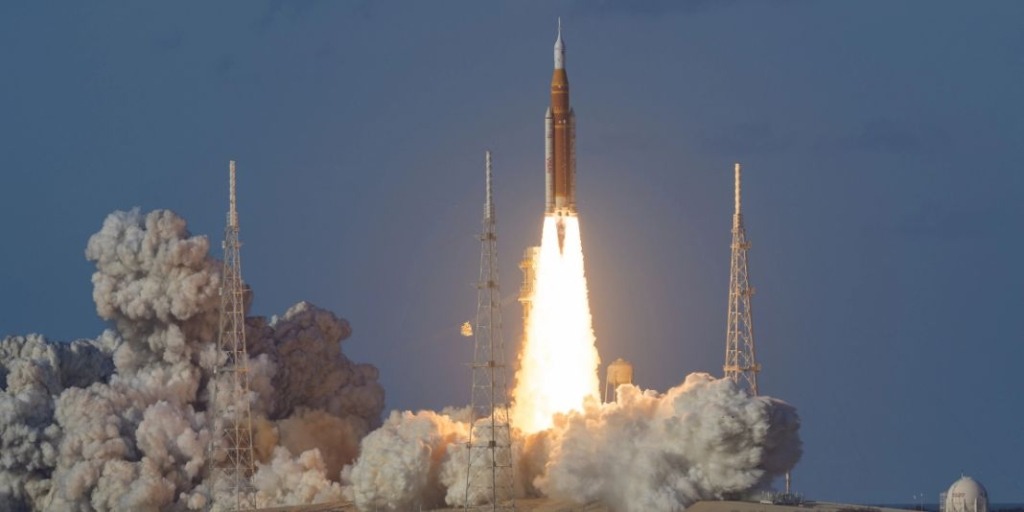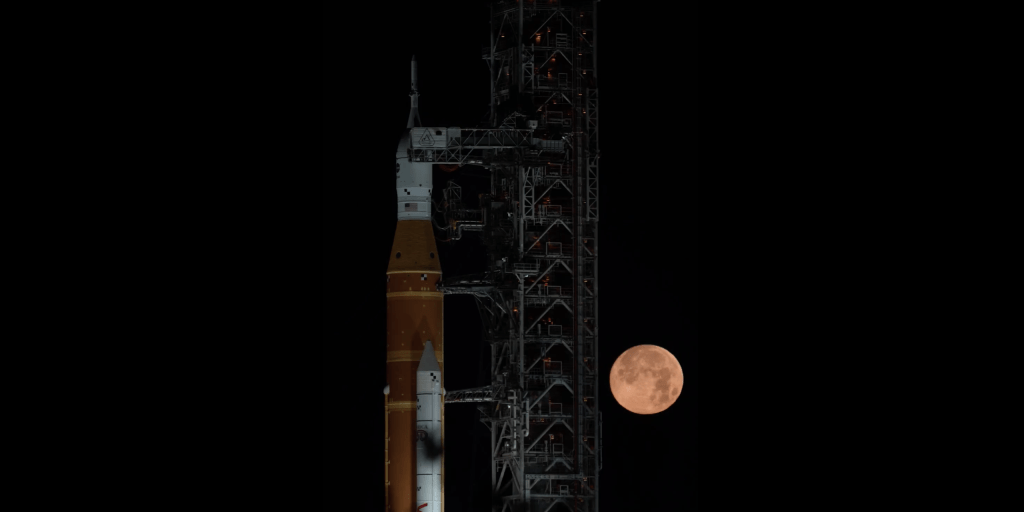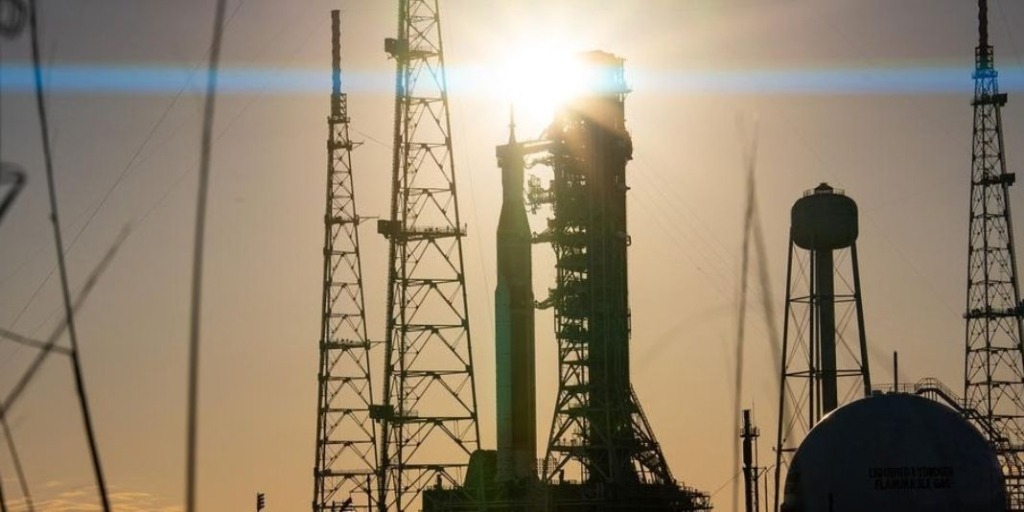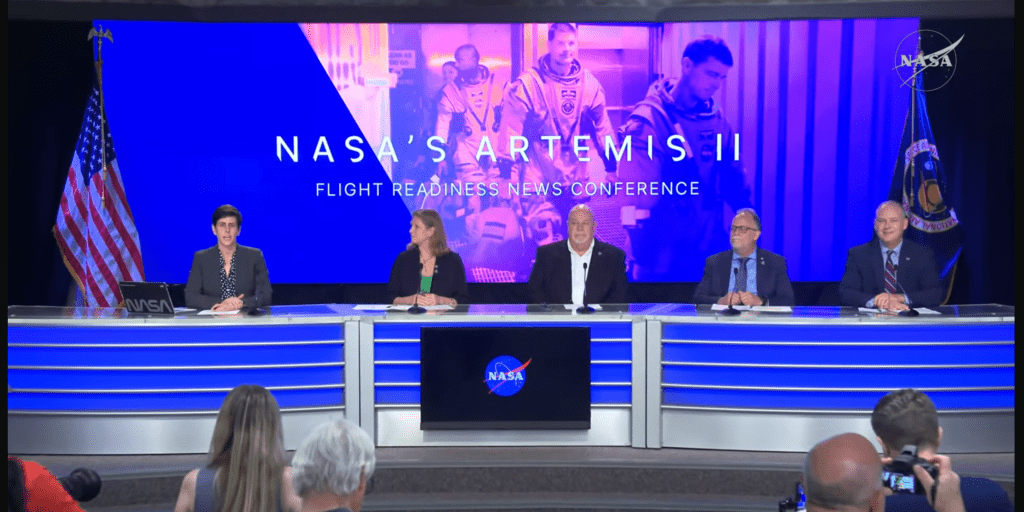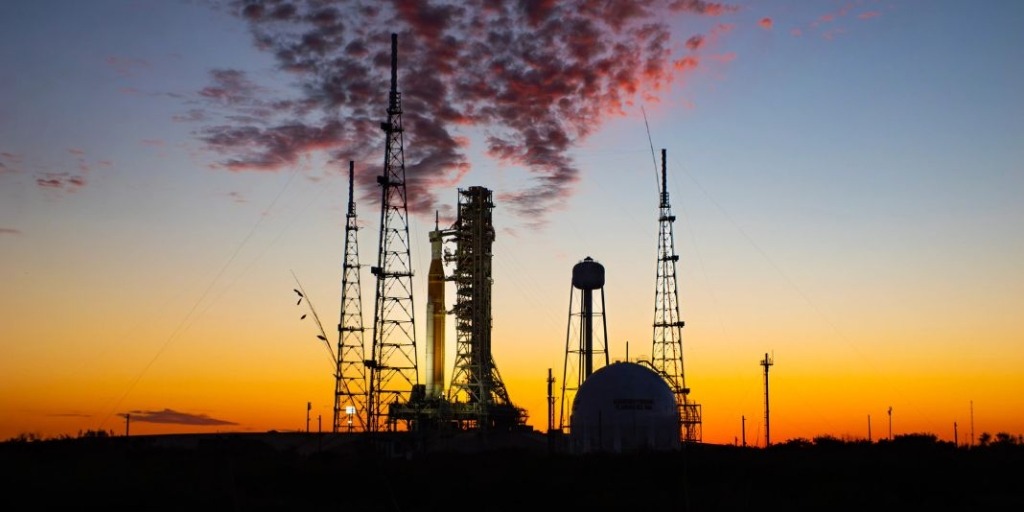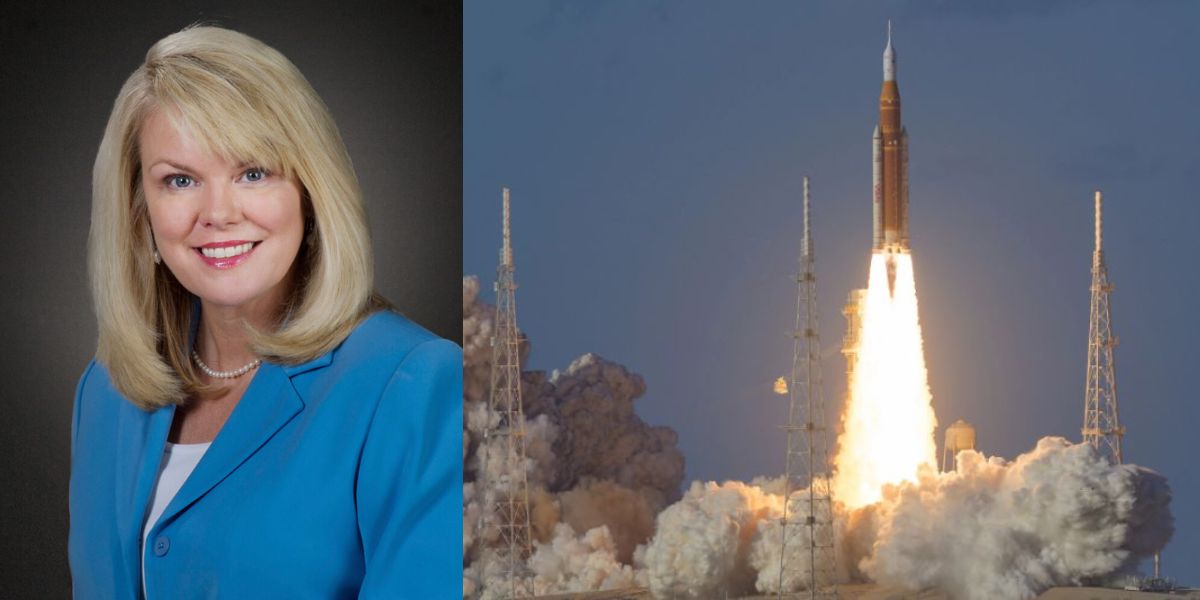
Alabama’s footprint in NASA’s return to deep space was on display this week as the Artemis II mission launched, marking the first human journey toward the moon in more than 50 years.
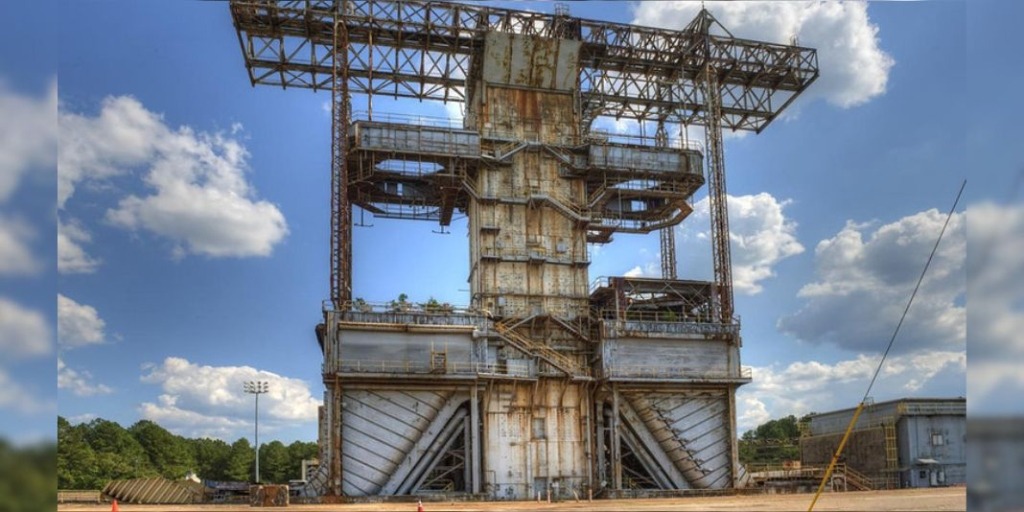
From work at Marshall Space Flight Center in Huntsville to leadership across the Artemis program, the state has played a central role in developing the systems powering the mission.
Among those contributions is Kimberly Robinson, a Birmingham native who helped develop the Artemis program and contributed to the formulation of the Space Launch System rocket used for the mission.
Robinson also served as payload mission manager for Artemis I, the uncrewed test flight that laid the groundwork for Artemis II.
Her connection to the current mission extends to its crew. Years ago, Robinson briefed astronaut candidate Victor Glover on the Artemis rocket during a visit to Marshall Space Flight Center. Glover now serves as pilot of Artemis II.
Robinson, a graduate of Shades Valley High School, told Birmingham television station WBRC the moment carries both personal and professional significance.
“It’s very historic and has a lot of meaning for me personally as I was a part of setting up the program and organizing it,” Robinson said.
She reflected on how her path to NASA began with an early interest in space exploration.
“It’s really incomprehensible. I can’t believe it. I remember doing my 5th grade term paper on Wernher von Braun and his rocket team. Never in my wildest imagination would I think that I would ever do something in a center he created,” she said in her interview with the outlet.
Robinson spent more than 30 years at NASA and later led the U.S. Space and Rocket Center before retiring in 2025.
The Artemis II mission is expected to push astronauts farther into space than ever before, building on decades of work led in part by Alabama-based teams.
“Not only are we returning them to the area, picking up where we left off but we are going further than humans have ever ventured into space before. They will have a perspective that we have not ever had before and I want to hear about their experiences so I’m very excited for that,” Robinson said, according to the station.
She added that continued space exploration could lead to advances beyond spaceflight itself.
“It’s very important that we keep pushing forward and meeting challenges because that’s where we’re going to find new materials, new drugs to cure diseases that have been around a long time,” she said.
Artemis II’s mission is anticipated to last ten days, with the astronauts returning to earth in mid-April.
Sherri Blevins is a reporter for 256 Today.