Welcome to the first edition of Washington Explained, a monthly column dedicated to translating the chaos of Washington, D.C., into practical insights for North Alabama leaders.
The midterms are over, and Democrats took back control of Congress. Representatives Dale Strong and Robert Aderholt remain in their House seats, and Representative Barry Moore will join the Senate as the next junior senator from Alabama early next year.
So, what immediately changes? Not much until early January, when the new Congress is sworn in. Until then, the current Congress remains in charge, and it returns on November 9 with a substantial amount of unfinished business. The stopgap bill that keeps the government funded for fiscal year 2027 (FY27) runs out on December 11, and Congress’ action on that issue will set the stage for upcoming FY28 funding discussions. Lawmakers also hope to finish the annual defense authorization bill, along with several other pieces of outstanding legislation such as parts of the Farm Bill, a surface transportation reauthorization, and an energy permitting overhaul.
Before the current stopgap expires, Congress could fund FY27 in full through an omnibus (bundling many spending bills into one package) or a series of minibus packages (each bundling a few bills), or it could pass another stopgap bill (a continuing resolution). For organizations that rely on federal funding in North Alabama, which path Congress takes will affect their operations and strategic planning as they move into the new calendar year.
North Alabama Congressional Delegation
House Members already possess less power than Senators, and a House Member in the minority wields even less power. As Republicans, Representatives Strong and Aderholt will serve in the minority. If they keep their seats on the House Appropriations Committee, they will still be able to secure funds for North Alabama, but that ability will be weakened by a Democratic majority with its own constituents to appease.
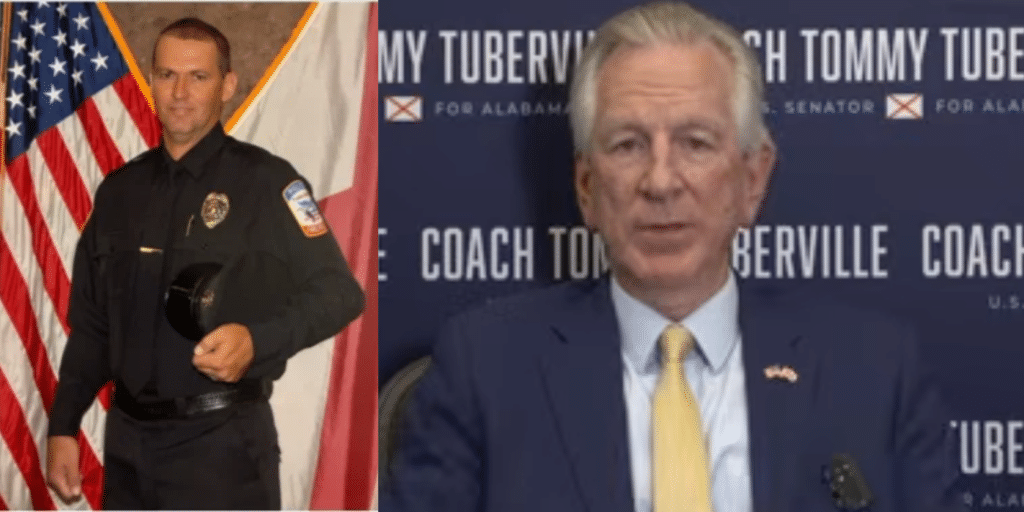
As Republicans, Senator Britt and Senator-elect Moore will also serve in the minority. Even so, Senator Britt, who continues to gain seniority, will be vital to meeting the region’s federal funding needs if she remains on the Senate Appropriations Committee. If Senator-elect Moore receives committee assignments similar to outgoing Senator Tuberville’s, he could serve on the powerful Senate Armed Services Committee, Senate Agriculture Committee, and Senate Veterans Affairs Committee, among others. Continuity of committees would be valuable to North Alabama, but Senator-elect Moore will have limited influence on these committees due to his lack of seniority.
While North Alabama will continue to be supported by its congressional delegation, how much federal funding these lawmakers can secure remains to be seen. The more the delegation can work with its colleagues across the aisle, the better off North Alabama will be.
Divided Government
Divided government means that the White House and at least one chamber of Congress are controlled by different parties. When the new Congress is seated, Democrats will have more authority to conduct extensive oversight and investigation of agencies, Cabinet members, and senior Administration officials. This will include more letters requesting information, as well as more hearings and depositions. These actions are within the authority of Congress, but pursuing them in earnest could be seen by voters as excessive and as a distraction from the vital work of effective governing. Pursuing these activities will, regardless of how voters see it, detract from the necessary work of legislating. Expect legislation to stall and the need for bipartisanship to increase, because Democrats will need either the president’s signature or enough Republican votes to override a veto before any bill can become law.
The Administration will be in a tug of war with Congress and will have to devote more personnel to oversight inquiries and hearings. It will also have to negotiate carefully with Democrats to continue implementing its robust agenda, and the president may use his veto power more often. The Administration will use all the tools at its disposal to make policy changes, from executive orders to tariffs and more.
Important policy and funding priorities for North Alabama organizations could be caught in the crossfire of the divided-government struggle. Leaders should anticipate more difficulty in securing needed support from both branches of government, with Congress focused on oversight and the Administration devoting more time and resources in response to its inquiries.
Takeaways
The election will bring substantial change, but not until January, and the current Congress has work to finish during the lame-duck session. Increased oversight and friction between Congress and the Administration will build in intensity in the new year. North Alabama leaders will do well to accept this reality and work within the confines of a divided government to meet their organizations’ needs.
Kerrie Keesee’s experience spans the White House, the U.S. Senate, the Department of Defense, and the private sector. She owns Neutral Ground Group and helps executives navigate Washington and make strategic decisions that drive sustainable growth for their organizations. She lives in North Huntsville with her husband and two children.