Credit scores influence far more than loan approvals, and as Alabama continues to rank near the bottom nationally, financial experts say understanding how credit works and how to improve it is more important than ever.
A recent 2026 study by personal finance website WalletHub ranked Alabama third-lowest in the nation for average credit score at 677, trailing only Louisiana and Mississippi. The ranking comes as household debt continues to rise alongside higher interest rates and increased costs tied to housing, insurance and transportation.
While many people associate credit scores with mortgages, auto loans and credit cards, industry professionals say their impact extends much further.

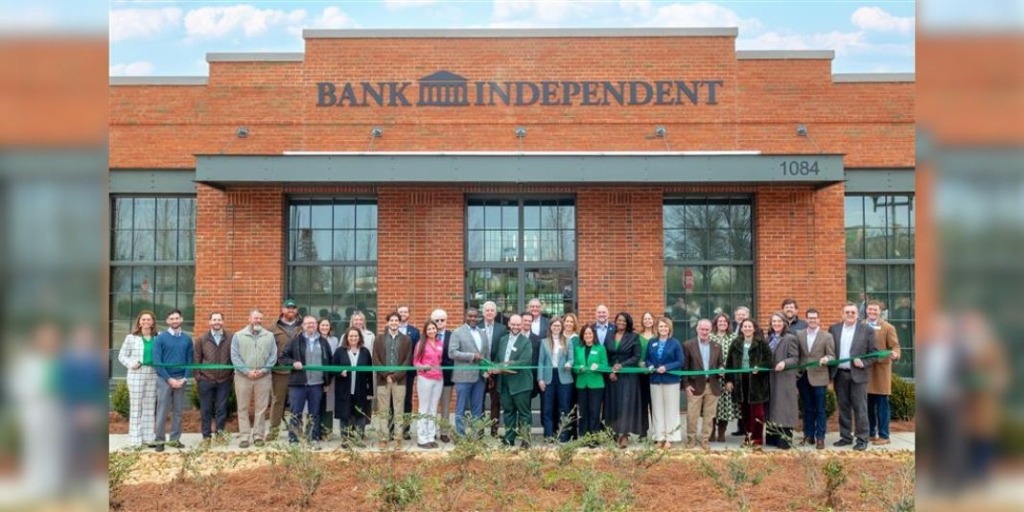
“Your credit score is really a snapshot of how you manage financial responsibility,” said Harris Parker, vice president and sales officer at Bank Independent. “Lenders use it to assess risk, but it is also something landlords, insurers and even some employers consider when making decisions.”
According to Parker, credit history can affect rental applications, insurance premiums and job opportunities, particularly in positions that involve financial responsibility. Lower scores often result in higher interest rates, which can significantly increase the overall cost of borrowing.
One of the most common misconceptions, he said, is what actually hurts a credit score.
“People tend to focus on missed payments, which are obviously important, but high credit card balances are just as critical,” Parker said. “Using too much of your available credit, even if you are making payments, can signal higher risk.”
Experts recommend keeping balances below 30% of available credit limits, especially on revolving accounts such as credit cards and home equity lines of credit. Carrying high balances over time can weigh down scores even when accounts remain in good standing.
For those looking to improve their credit, the fundamentals remain simple. Making payments on time, keeping balances low and avoiding taking on more debt than income can support are among the most effective steps.
Those same principles apply to building credit for the first time. Parker said young adults often hesitate to open their first credit account, but responsible use can help establish a strong financial foundation.
“A modest credit card with a low limit, used carefully and paid on time, can be a good starting point,” Parker said. “An auto loan can also help build credit, sometimes with a cosigner, as long as the payments are managed responsibly.”
Parker emphasized that credit decisions should align with broader financial goals.
“Credit works best when it supports where you are trying to go,” he said. “Goals can change over time, but having a plan helps people make better decisions about how and when to use credit.”
Monitoring credit reports is another important step. Consumers are entitled to one free credit report each year from each of the three major credit reporting agencies. Reviewing reports regularly can help catch errors or signs of identity theft, both of which can negatively affect credit scores.
Even serious credit challenges such as collections or charge-offs do not have to define a person’s financial future. While negative marks can remain on a credit report for up to seven years, financial professionals say consistent on-time payments after a setback can steadily rebuild credit.
“There is a lot of value in focusing on what you do next,” Parker said. “Responsible payment behavior over time really does matter.”
As Alabama works to improve the rankings highlighted in the WalletHub study, Parker said financial education remains a key piece of the puzzle.
“Poor credit does not just limit options. It often costs people more money,” he said. “Understanding not just how credit works, but why it matters, gives people more control over their financial future.”
Banks and financial institutions often recommend a simple credit readiness checklist that includes reviewing credit reports annually, automating bill payments, limiting credit card usage, avoiding unnecessary new accounts and keeping older accounts open when possible. Staying organized, often with the help of mobile banking tools, can make a meaningful difference.