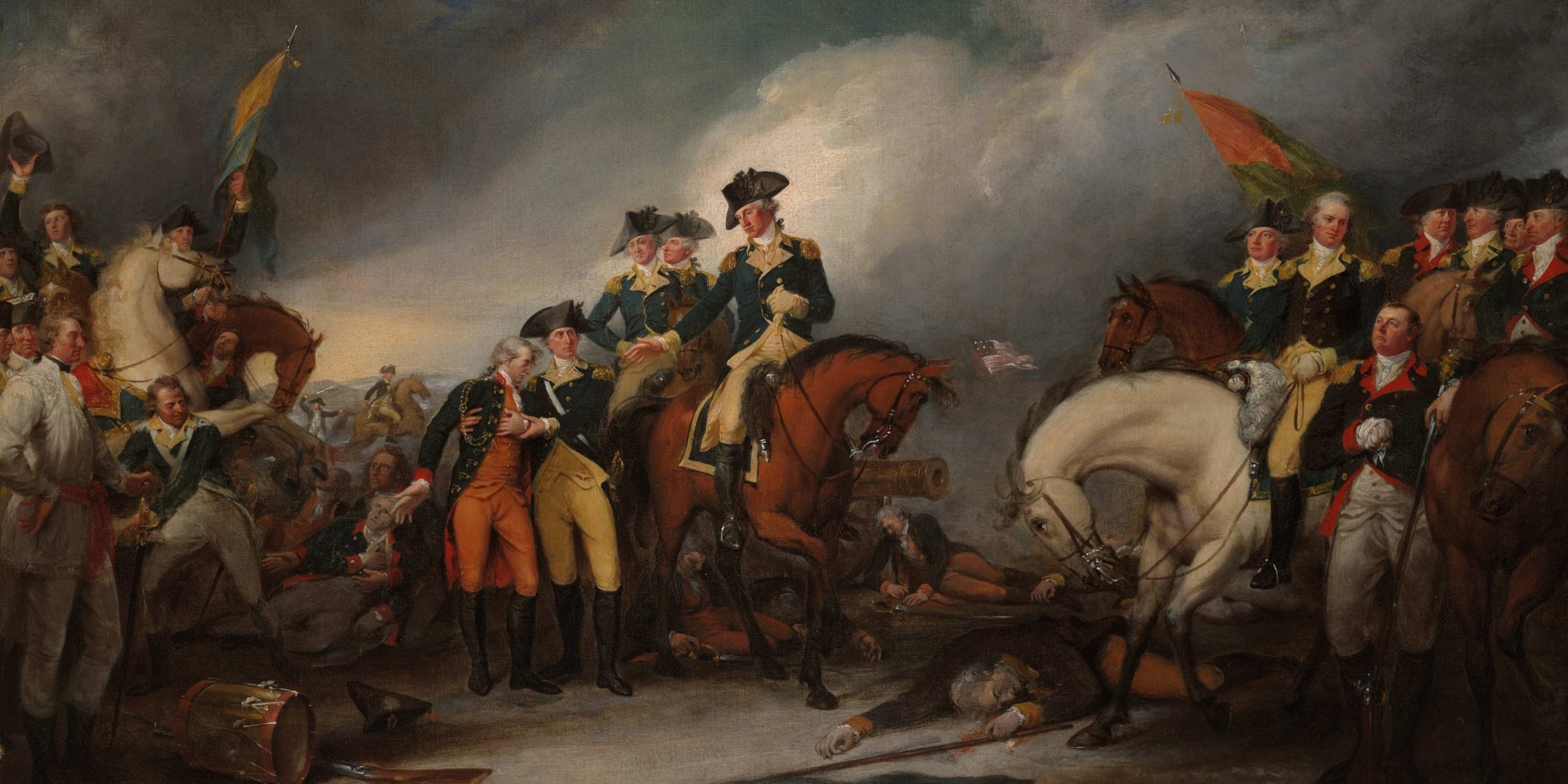
As Americans celebrate the nation’s 250th birthday this Fourth of July, Alabama has its own connection to the country’s founding, even though it would not become a state until 1819, more than three decades after the Revolutionary War ended. In the years following America’s independence, more than 1,000 Revolutionary War veterans eventually made their homes here, helping build communities across the Alabama frontier.
Historian and former Athens State University Professor Jess Brown writes in the Encyclopedia of Alabama, more than 1,000 veterans of the Revolutionary War eventually settled in Alabama, with records identifying more than 1,200 people who had documented ties both to the war for independence and to the state later in life.
Many arrived during the land rush known as “Alabama Fever” in the 1820s and 1830s, drawn by inexpensive land made available after Native American territories were ceded to the United States.
Brown found that more than 90 percent of the Alabama-connected veterans were born in one of the original 13 colonies, with nearly three-quarters coming from Virginia, North Carolina or South Carolina before eventually making their way to Alabama’s frontier.
North Alabama became one of the primary destinations.
Brown writes that one migration route brought veterans from Virginia, the Carolinas and northern Georgia into what is now Madison County and surrounding communities. Among those families were future Alabama governors William Wyatt Bibb and Thomas Bibb, whose father had served as a captain in the Revolutionary Army.
The veterans who settled in Alabama reflected the makeup of the Revolutionary War itself. Most were young enlisted soldiers, many serving short terms in state militia units, while about one in five served in the Continental Army. Others supported the Patriot cause by supplying food, equipment or other services.
The research also identified women and free Black Patriots who later lived in Alabama, including Mary Witherspoon Conyers of Greene County, who provided food and cooking services for troops, Elizabeth Duckett Casey of Lauderdale County, who supplied provisions, and veterans Frederick Gowen and Jim Capers.
Brown’s work draws on the Revolutionary War Patriots in Alabama’s database, a collaborative effort completed by the Tennessee Valley Chapter of the Sons of the American Revolution, the Maple Hill Chapter of the Daughters of the American Revolution and technical partners in Huntsville. The database documents veterans who later lived, died, received pensions or were buried in Alabama.
For those curious whether Revolutionary War veterans settled in their own community, the Huntsville History Collection’s Alabama Revolutionary War Soldiers by County provides a county-by-county listing of veterans with Alabama ties.
Brown’s full article, “Revolutionary War Veterans in Alabama,“ is available through the Encyclopedia of Alabama.
Got a tip for OTR? Send your tip to [email protected] with related photo/video, your name, phone number, and e-mail address.