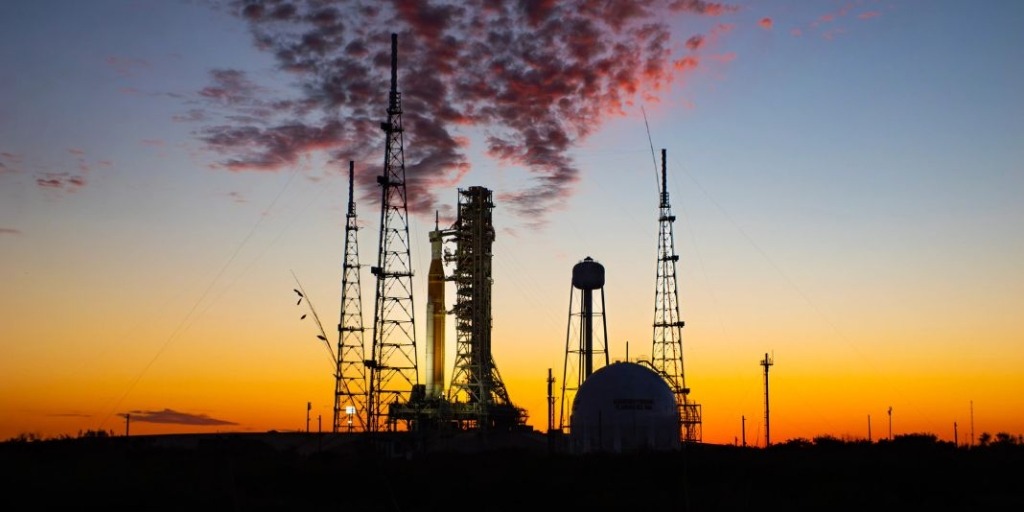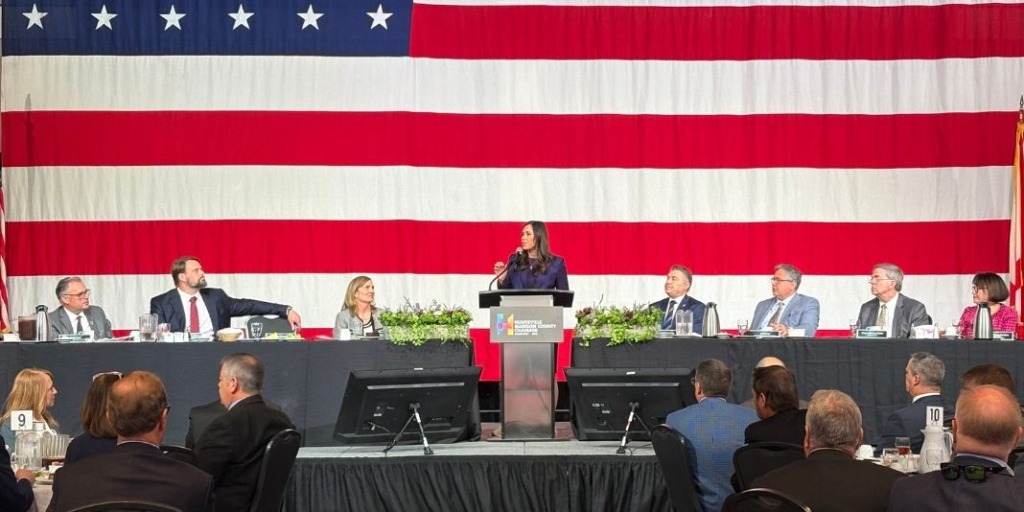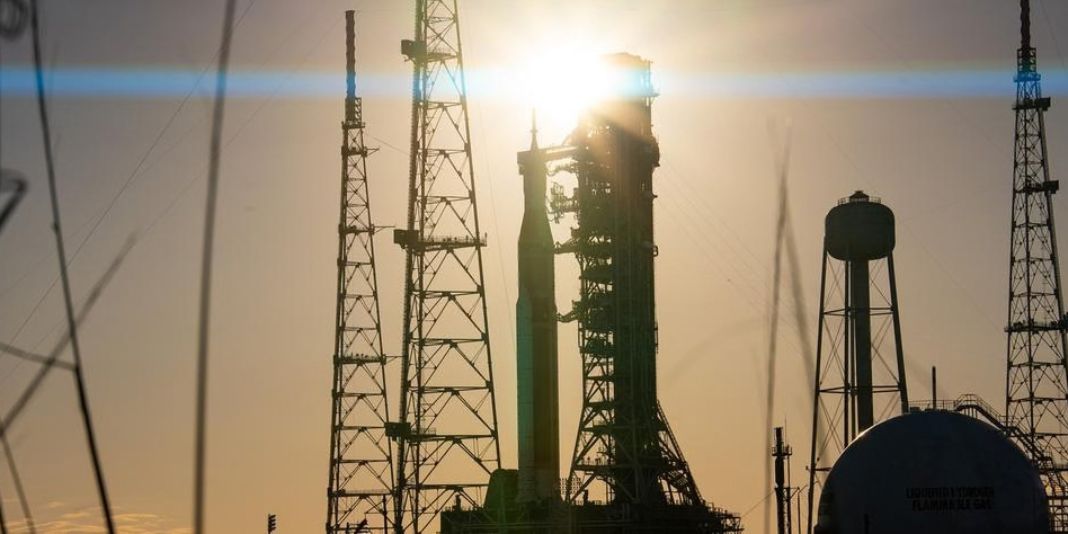
When NASA’s Artemis astronauts strap in and head toward the Moon, the rocket carrying them will rise on the shoulders of Huntsville.
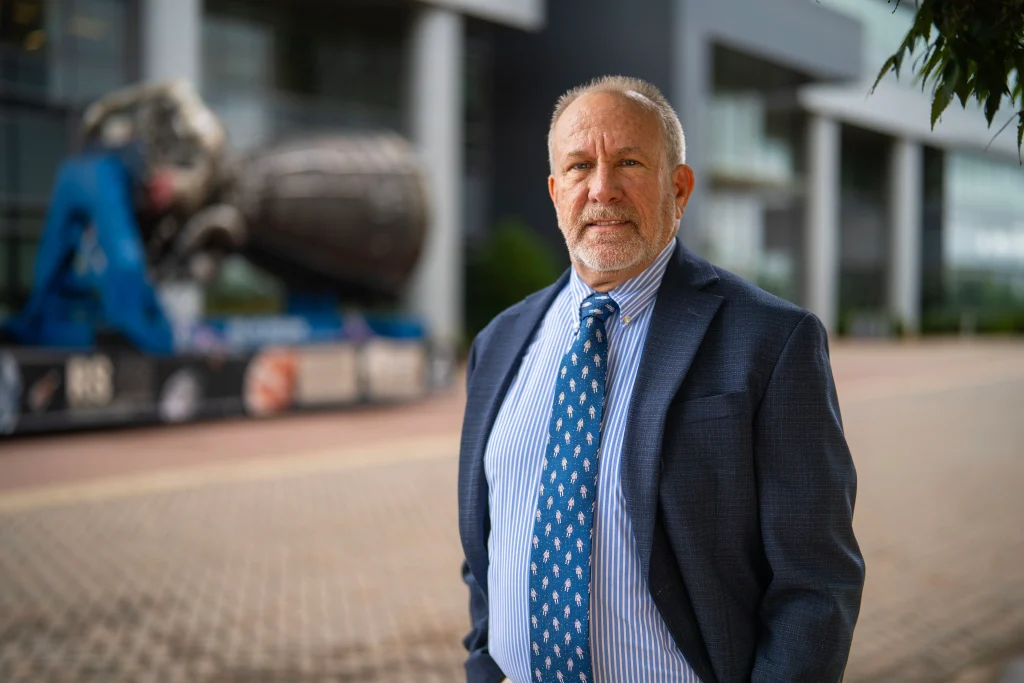
“This is America’s rocket,” said David Beaman, acting program manager for the Space Launch System at Marshall Space Flight Center. “It’s not NASA’s rocket. This is America’s rocket. And with our international partners, it’s the world’s rocket.”
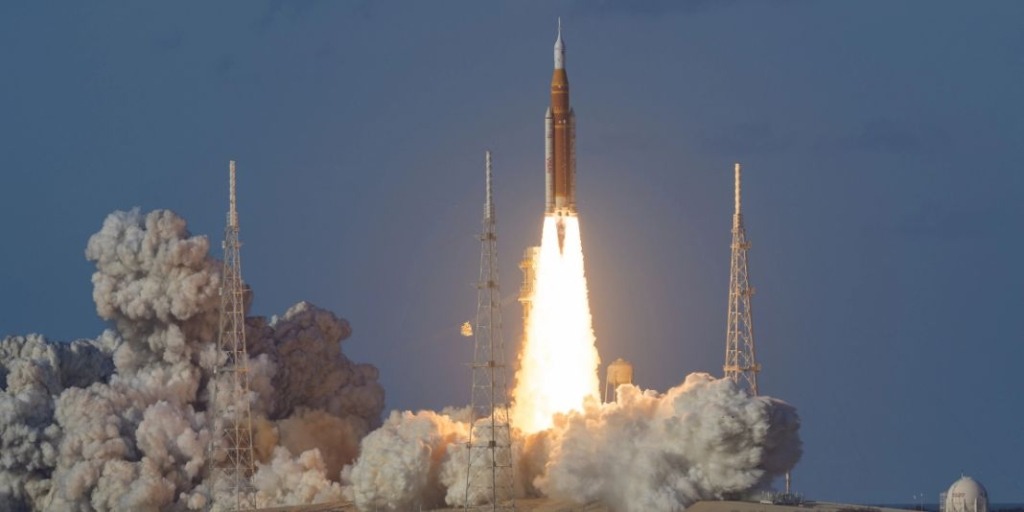
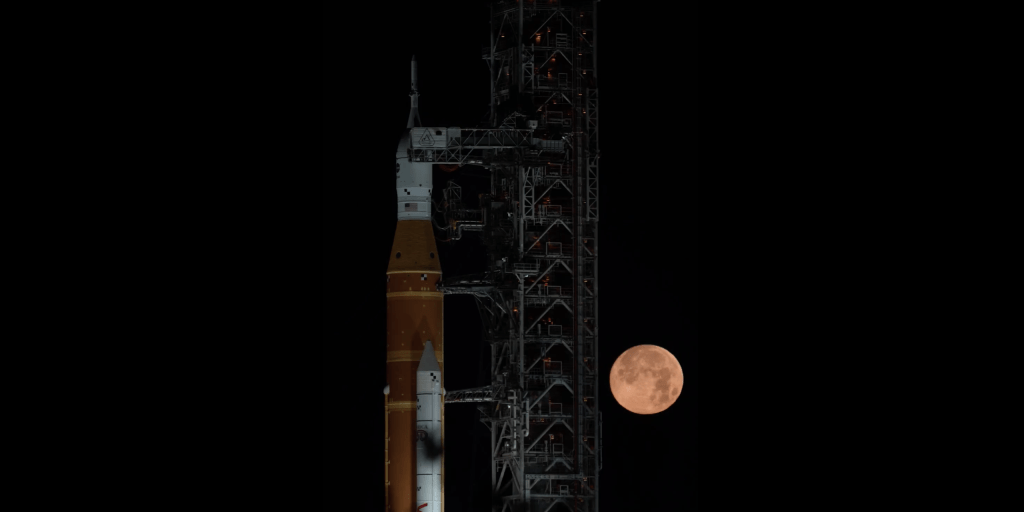
At the center of that effort is the Space Launch System, or SLS, the most powerful rocket ever built. It is managed in Huntsville and designed to carry humans deeper into space than ever before.
For Beaman, the mission was more than a job. It was a continuation of a story that started long before Artemis. That story began in Huntsville during the Apollo era, when his father worked on the rockets that first carried astronauts to the Moon.
Why Artemis matters
For those who don’t follow space policy closely, Beaman puts it simply. Artemis is America’s return to deep-space exploration.
“It’s our attempt to do deep space exploration,” he said. “And deep space doesn’t just mean going to the Moon. It means going to the Moon, to Mars, to other areas.”
The goal isn’t symbolic. It’s scientific.
“A lot of people don’t understand. It’s not about the journey, it’s about the science,” Beaman said. “That’s the reason we fly.”
From medical research to materials science to learning how to use resources found on the Moon itself, Artemis is designed to answer questions that cannot be solved on Earth.
And while comparisons to Apollo are inevitable, Beaman says the difference is simple.
“The Moon’s the same. We’re different,” he said. “Our technologies are different. The things we want to learn and understand are different.”
Artemis isn’t a single mission. It is a campaign, a sustained series of missions designed to build capability step by step.
“The campaign is the series of missions we use to accomplish what we want,” Beaman said. “We take incremental steps with the technologies that enable us to do the next great mission after that.”
What comes next
Artemis I successfully sent an uncrewed Orion spacecraft around the Moon in 2022, validating key systems.
Artemis II will take the next step, sending four astronauts around the Moon and back.
The mission will test environmental systems, power systems, communications and redundancies, ensuring everything works without fail.
“We can’t afford to reboot in space,” Beaman said. “Our stuff has to work every time.”
After that comes Artemis III, a crewed docking mission in Earth orbit, then Artemis IV, the mission expected to land astronauts on the Moon for the first time since 1972.
“We’re not going to fly by and drop them,” Beaman said. “We’re going to land.”
The long-term goal is to build a sustainable presence on the Moon and use it as a proving ground for Mars.
Huntsville’s role: The propulsion capital
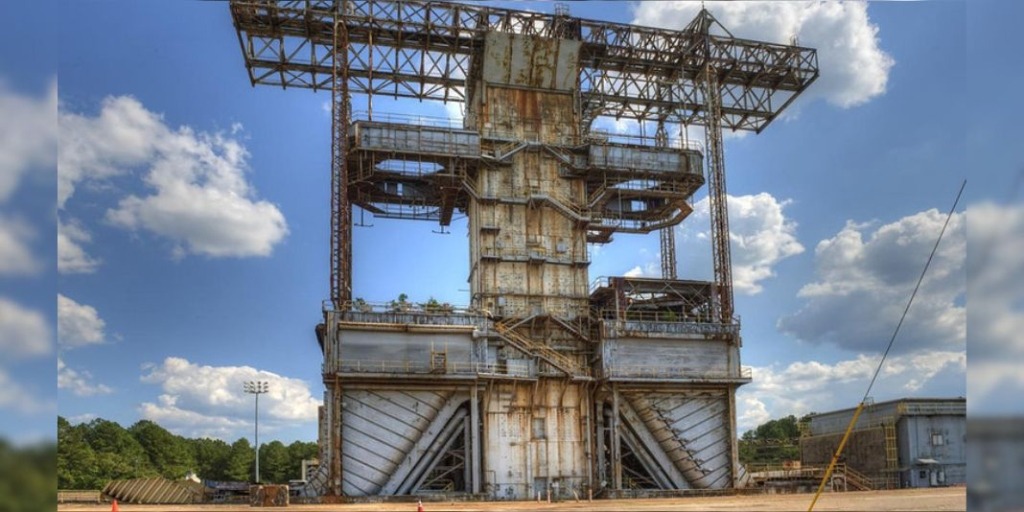
Marshall Space Flight Center has led propulsion development since the Apollo era, when the Saturn V rocket was designed in Huntsville.
“We’ve been the propulsion center of excellence for the agency since back in the ’60s,” Beaman said.
For Beaman, the story of Huntsville’s rockets began at home.
His father worked on the Apollo program, and as a child he watched the Saturn V rockets thunder into the sky.
“I got to see Apollo 11 launch,” he said.
Decades later, he is helping lead the rocket meant to carry astronauts back.
“I got to see the smart people do it,” he said. “Now I get to try to mimic what they did.”
That generational connection mirrors Huntsville itself, a city built around solving hard engineering problems and pushing the limits of what is possible.
“It’s Huntsville’s DNA,” Beaman said. “We gravitate toward things that challenge us.”
Schedule changes and getting it right
As Artemis timelines have shifted, Beaman frames that as discipline, not dysfunction.
“We have to do it right,” he said. “We can’t afford to be not successful when you’re doing something this important.”
Engineers must validate environmental controls, power, tracking, abort scenarios and redundancies.
“Spaceflight is inherently risky,” Beaman said. “It’s about imagining the unimaginable.”
NASA leadership has discussed increasing launch cadence in coming years, potentially flying every 10 to 12 months.
“That means more missions, more science, more learning,” Beaman said. “The more incremental steps you get, the quicker you learn.”
Bigger than one city
While Huntsville leads propulsion, Beaman is quick to note that Artemis is a national and international effort. European partners provide Orion’s service module. International payloads will ride along on upcoming missions.
Still, the Rocket City remains central.
“We’re a small part of a very big thing,” Beaman said. “Being a small part of a real big thing is pretty cool.”
For him, that perspective never faded, even after decades working in the space program.
Ultimately, he said, Artemis is about more than flags and footprints.
“It’s about doing hard things,” Beaman said. “When you challenge yourself to do something difficult, you don’t just learn what you think you’re going to learn. You learn so many other things that benefit us here on Earth.”
As the next chapter of lunar exploration unfolds, Huntsville and the people who helped build its legacy remain at the center of America’s return to the Moon.