Four astronauts aboard Artemis II have set a new record for the farthest distance humans have traveled from Earth, marking a major milestone in NASA’s return to deep space exploration.
At 12:56 p.m. CDT Monday, the crew surpassed 248,655 miles from Earth, breaking the previous record set during Apollo 13. At its farthest point, the mission is expected to reach approximately 252,760 miles before looping back toward Earth.
Six days into the 10-day mission, astronauts Reid Wiseman, Victor Glover and Christina Koch of NASA, along with Canadian Space Agency astronaut Jeremy Hansen, continue their journey aboard the Orion spacecraft, capturing images of the Moon and collecting data critical for future missions.
The mission underscores Huntsville’s central role in America’s return to deep space. The Space Launch System rocket is managed at Marshall Space Flight Center, continuing the city’s legacy as the nation’s propulsion hub dating back to the Apollo era.
NASA leaders say the mission represents more than a record-setting achievement.
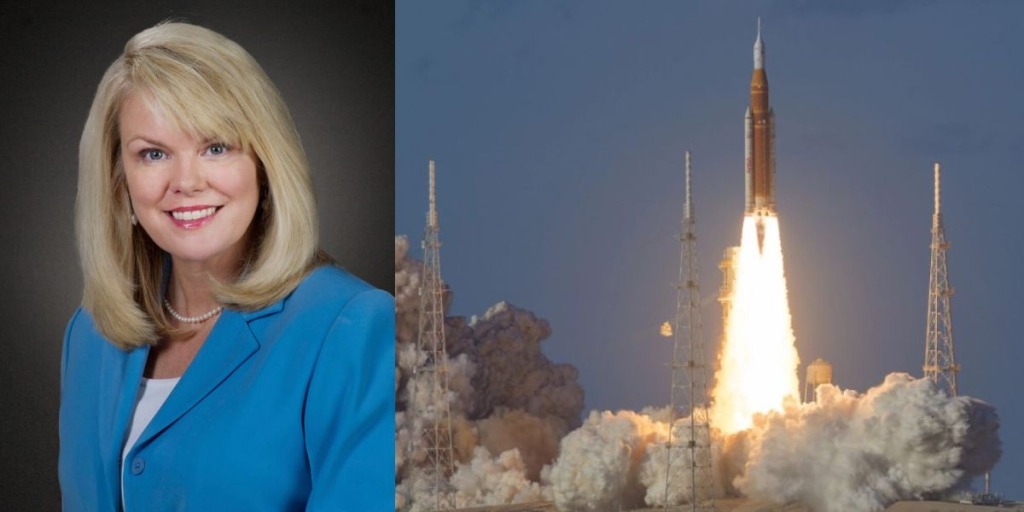
“At NASA, we dare to reach higher, explore farther, and achieve the impossible,” said Dr. Lori Glaze, acting associate administrator for Exploration Systems Development. “Their dedication is about more than breaking records – it’s fueling our hope for a bold future. Their mission is carrying our promise to return to the Moon’s surface, this time to stay as we establish a Moon Base.”
The crew also reflected on the historic moment from inside Orion.
“From the cabin of Integrity here, as we surpass the furthest distance humans have ever traveled from planet Earth, we do so in honoring the extraordinary efforts and feats of our predecessors in human space exploration,” Hansen said. “We most importantly choose this moment to challenge this generation and the next to make sure this record is not long-lived.”
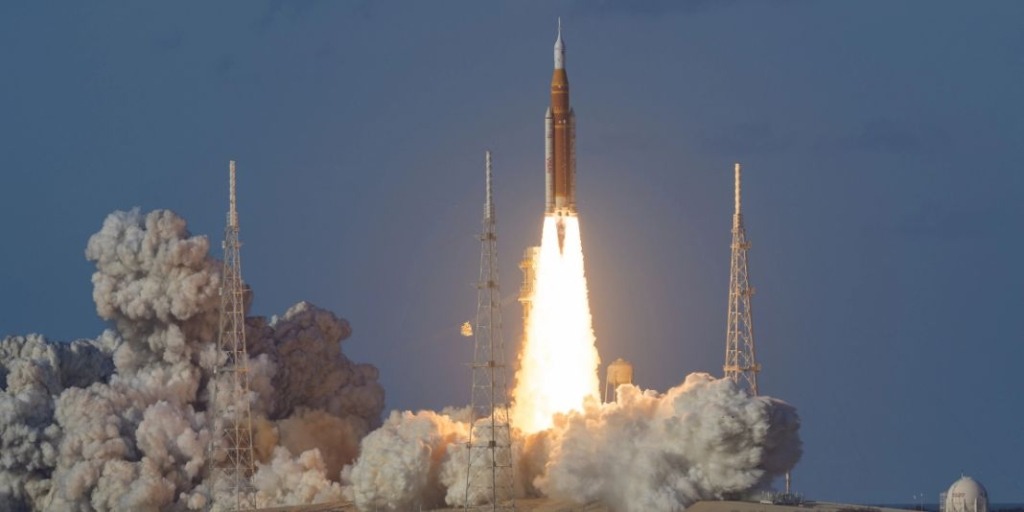
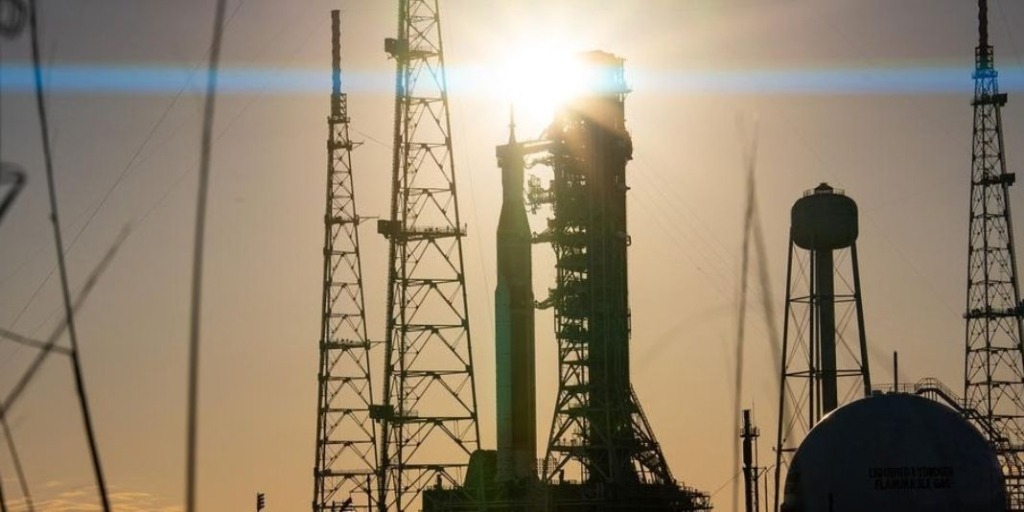
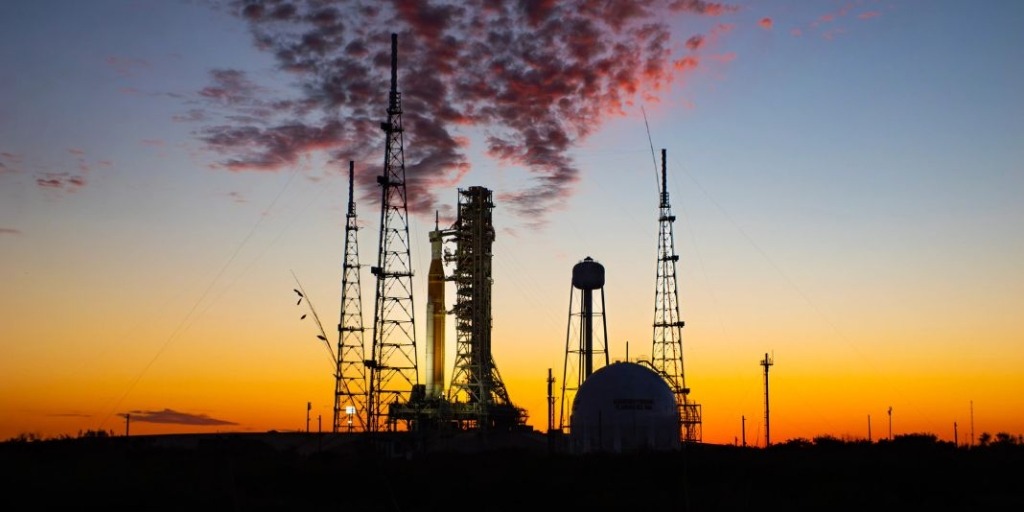
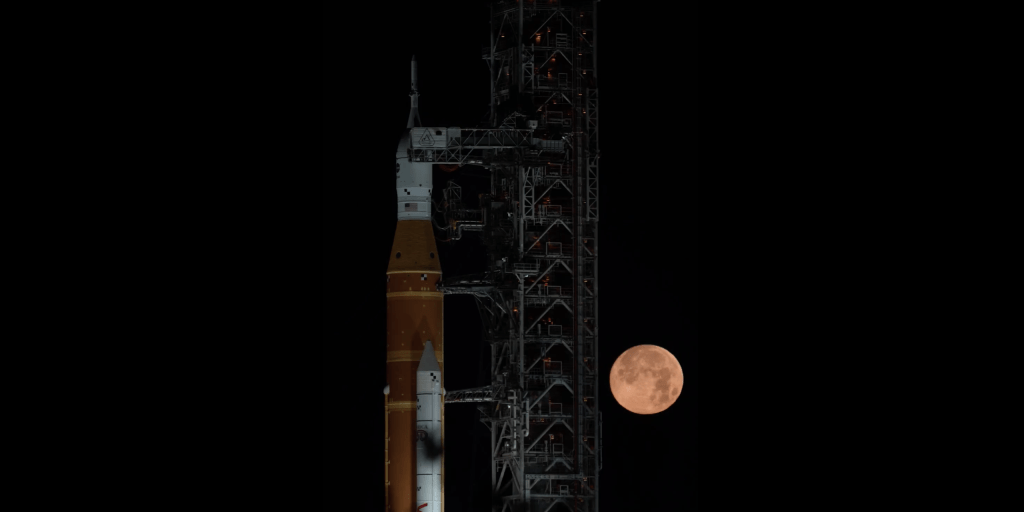
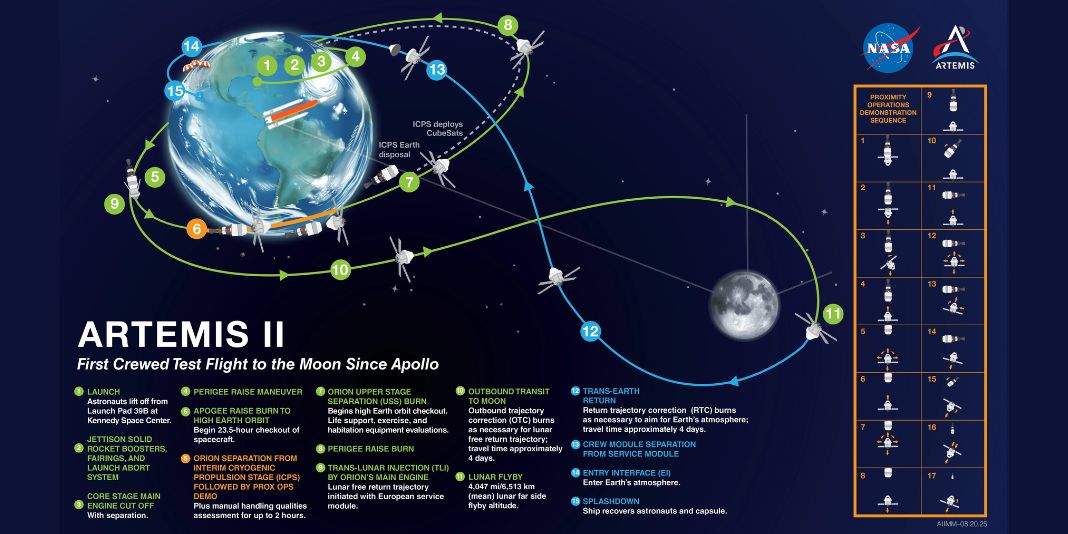
The Orion spacecraft launched April 1 from Kennedy Space Center atop NASA’s Space Launch System rocket. After a series of engine burns, the spacecraft broke free of Earth’s orbit and set its trajectory toward the Moon.
During the mission, astronauts will fly within about 4,070 miles of the Moon’s surface, becoming the first humans in decades to view its far side directly. They are also expected to witness a solar eclipse as the Moon passes between Orion and the Sun.
In addition to setting records, the crew is contributing to science and future exploration. Using handheld cameras and onboard systems, astronauts are capturing high-resolution imagery and gathering data that will inform upcoming Artemis missions, including plans to establish a sustained human presence on the Moon and eventually send astronauts to Mars.
Artemis II is now more than halfway complete. The mission is scheduled to conclude with a splashdown off the coast of San Diego on April 10, when recovery teams will retrieve the crew and return them to shore.
NASA officials say the mission is a critical step in a broader campaign to push human exploration deeper into space.
Under the Artemis program, NASA plans increasingly complex missions to the Moon, using them as a foundation for future crewed missions to Mars.