General Dynamics is the latest defense manufacturer tapped for a major expansion of the nation’s missile production capacity, joining Lockheed Martin in new seven-year agreements aimed at tripling PAC-3 production and quadrupling THAAD production.
The Department of War announced Monday that it has signed framework agreements with General Dynamics Ordnance and Tactical Systems and Lockheed Martin to increase production and accelerate deliveries of critical components for the Patriot Advanced Capability-3 Missile Segment Enhancement and Terminal High Altitude Area Defense interceptor programs.
The agreements initiate seven-year multiyear procurement contracts and are the latest step in a broader effort to rapidly expand U.S. air and missile defense production.
“Today’s announcement represents an example of the evolution of how we partner with industry to expand the Arsenal of Freedom, outpace emerging threats, and ensure the Warfighter never faces a fair fight,” Under Secretary of War for Acquisition and Sustainment Michael P. Duffey said.
“General Dynamics and Lockheed Martin have answered the call,” he continued. “We are cutting red tape, shortening timelines, and rapidly scaling our domestic manufacturing capacity to deliver the advanced air and missile defense capabilities.”
Under the new framework, General Dynamics will ramp up production of specialized interceptor components, including motor cases, seeker housings and midsections, and shroud deployment systems.
The production targets call for tripling capacity for PAC-3 MSE interceptors and quadrupling capacity for THAAD interceptors.
The announcement follows a series of major agreements this summer intended to expand the industrial base supporting the two missile defense systems.
Lockheed Martin, which produces both PAC-3 MSE and THAAD, received a seven-year multiyear contract in July valued at up to $58.6 billion for PAC-3 MSE production. The company said that agreement is intended to triple annual production capacity by the end of 2030.
The War Department has also reached long-term agreements with other major suppliers as it works to increase production throughout the missile supply chain.
General Dynamics has a significant Alabama presence, including operations in Huntsville and Anniston, where the company performs defense manufacturing work.
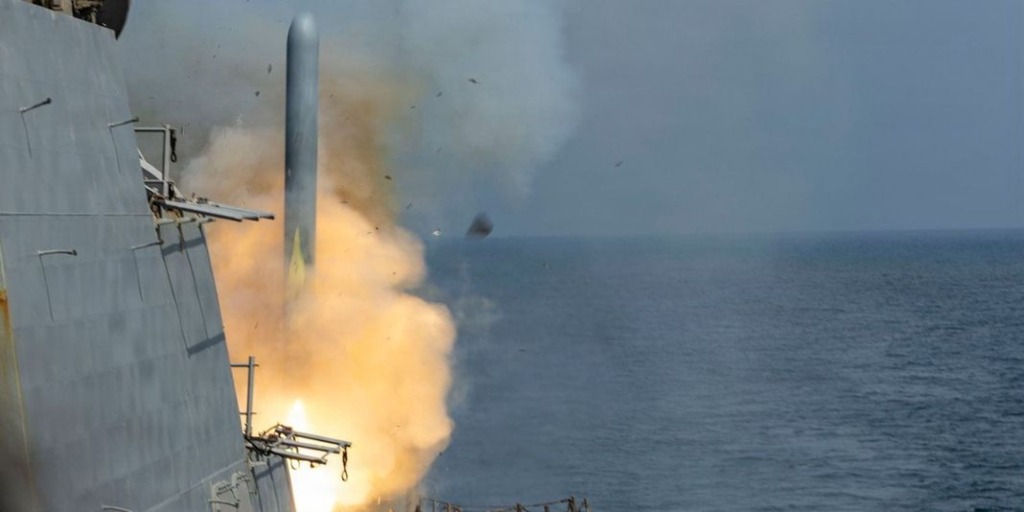
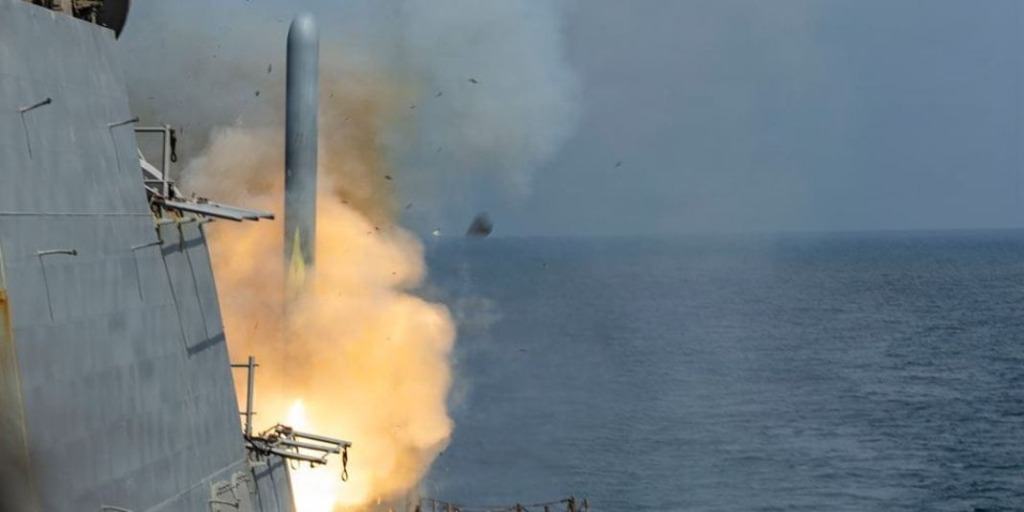
In August, the company received a $41.6 million Navy contract modification for hundreds of warhead cases and fuzewells for Tactical Tomahawk missiles, with 99% of that work to be performed in Anniston.
The War Department did not specify where General Dynamics will manufacture the PAC-3 and THAAD components covered by the new framework agreements.
Funding for the seven-year agreements remains subject to annual congressional appropriations. According to the department, establishing guaranteed minimum annual procurement quantities is intended to give manufacturers and lower-tier suppliers the certainty needed to invest in additional workers, materials and production facilities.
The agreements are part of the department’s effort to build sustained production capacity for missile defense systems rather than relying on shorter-term increases in orders.
PAC-3 MSE is designed to intercept tactical ballistic missiles, cruise missiles and other airborne threats, while THAAD is designed to intercept ballistic missiles during the terminal phase of flight.
Got a tip for OTR? Send your tip to [email protected] with related photo/video, your name, phone number, and e-mail address.