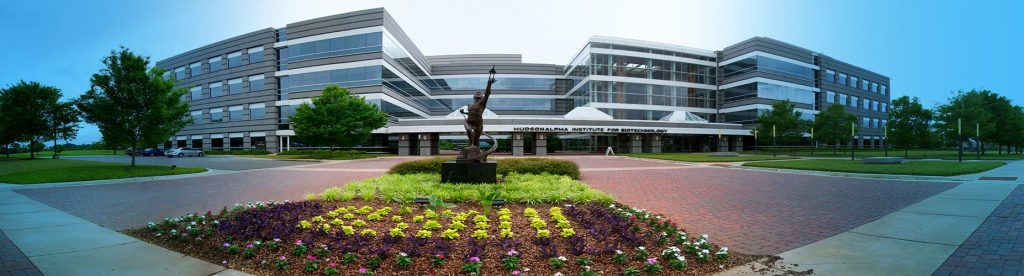
HUNTSVILLE – Researchers at the HudsonAlpha Institute for Biotechnology have been awarded a grant from the Muscular Dystrophy Association for genome studies. The grant, nearly $290,000 over three years, is for their project, “Long-read sequencing to diagnose neuromuscular disorders.”
Dr. Greg Cooper and Dr. Jane Grimwood are among the “world’s best scientists” capable of helping accelerate treatments and cures for families living with neuromuscular diseases.
Cooper and his lab are experienced at using genome sequencing to diagnose rare diseases. Over the past decade, Cooper’s lab and collaborating labs sequenced the genomes of more than 1,790 children with rare diseases. Most of the children were showing signs of neurodevelopmental disorders, with features such as intellectual disability, developmental delay, and seizures.
However, about 18% of the sequenced cohort also exhibit features of neuromuscular disorders like muscle weakness, contractures, ataxia, and dysphagia.
“Both exome and genome sequencing are powerful diagnostic tools for many diseases,” Cooper said. “Across all our patient cohorts, we found pathogenic or likely pathogenic variants in about 27 percent of patients, with about 17 percent of variants leading to a precise neuromuscular diagnosis.
“However, genome sequencing fails to identify genetic contributors to most neuromuscular disorders, despite severe, early onset phenotypes likely caused by genetic factors.”
Cooper said many neuromuscular disorders result from genetic variation that cannot be detected using the standard method of short-read sequencing. During short-read sequencing, long pieces of DNA are cut into shorter pieces that are sequenced and then pieced back together. Complicated DNA repeats, duplications, and expansions are often missed with this type of sequencing.
Grimwood is the co-director of HudsonAlpha’s Genome Sequencing Center, an expert in another type of sequencing that could overcome the limitations of short-read sequencing called long-read sequencing.
The goal of the grant is to refine the use of long-read sequencing to help diagnose neuromuscular disorders more frequently and effectively.
The researchers will select patients with features of neuromuscular disorders from the pool of unsolved cases previously sequenced using short-read sequencing. The hope is that long-read sequencing will afford a diagnosis.
Researchers will also streamline the sequencing and diagnosis process for routine research and clinical use.
“Despite identifying hundreds of genes implicated in neuromuscular disease, there are still many people who lack a diagnosis,” said Dr. Sharon Hesterlee, MDA’s chief research officer. “The work that Dr. Cooper and Dr. Grimwood have undertaken should help shed light on new causes of neuromuscular disease and represent the first step in developing meaningful treatments for these diseases.”