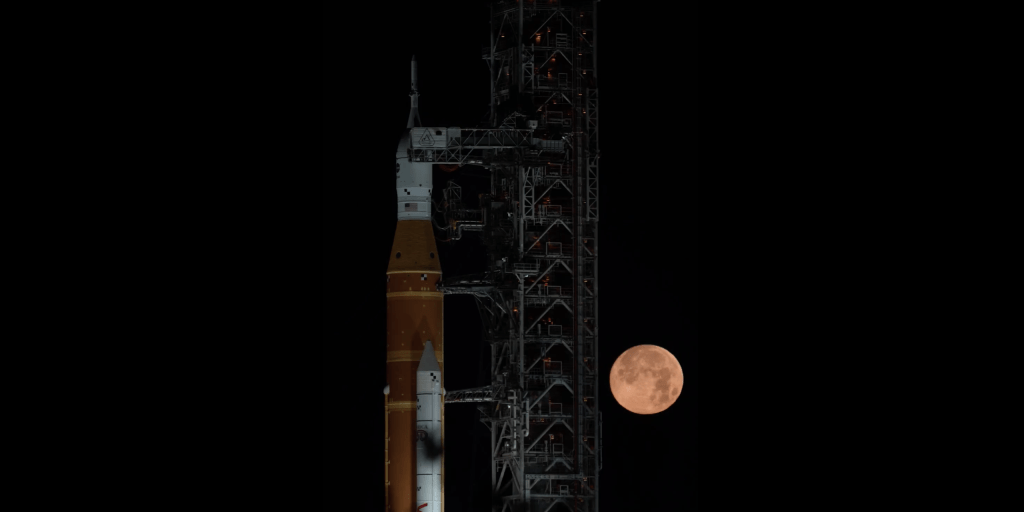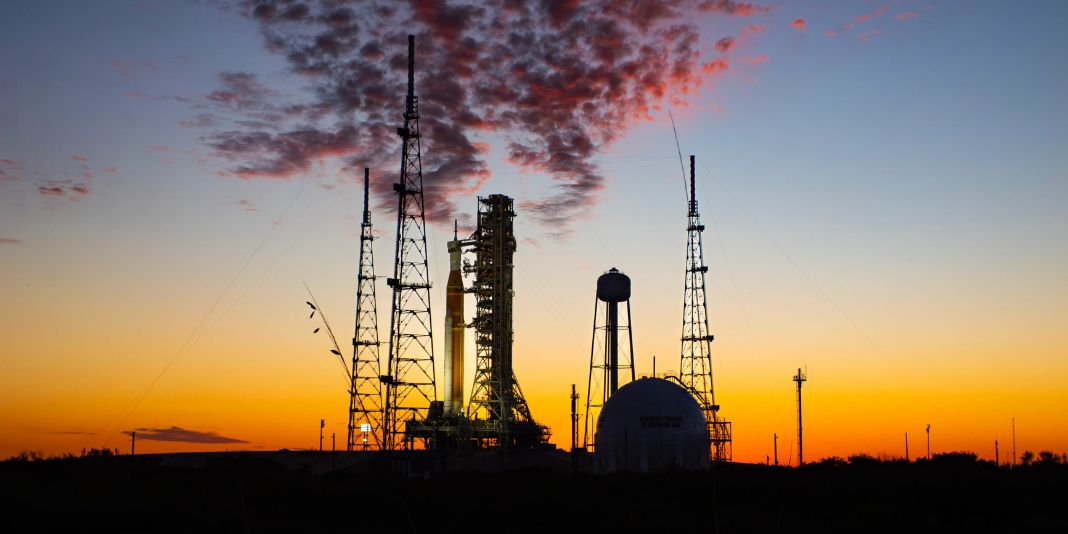
NASA is targeting Thursday, Feb. 19, for the tanking day of a second wet dress rehearsal for the Artemis II mission, as teams work toward the next available launch opportunity in early March.
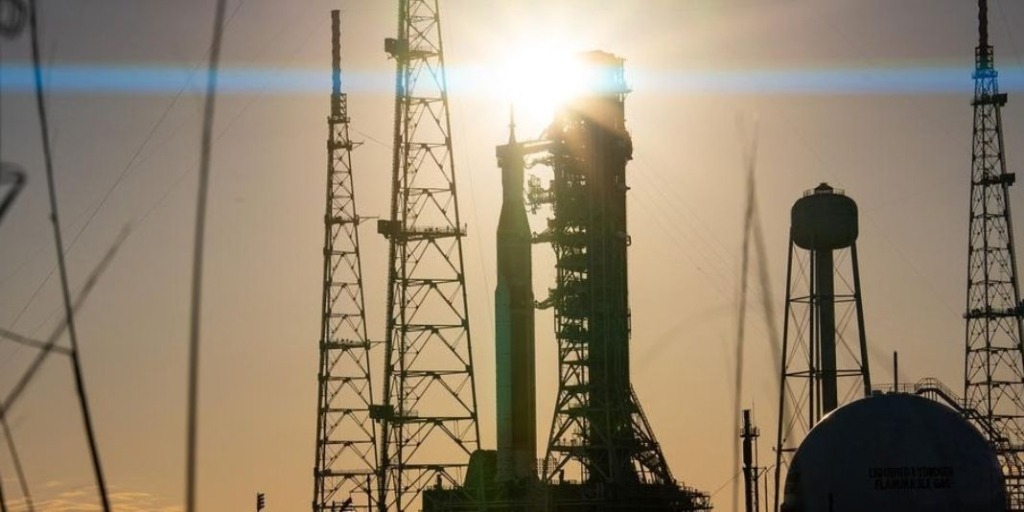
Over the weekend, engineers replaced a filter in ground support equipment at Kennedy Space Center that was suspected of restricting the flow of liquid hydrogen during a partial fueling test on Feb. 12. That earlier test provided enough data for engineers to plan another full wet dress rehearsal this week.
The upcoming rehearsal will once again put launch teams through a full countdown simulation, including loading super-cold liquid oxygen and liquid hydrogen into the Space Launch System rocket’s tanks, practicing scrub procedures and recycling the countdown clock.
Launch controllers are scheduled to report to their consoles at 6:40 p.m. EST on Feb. 17 to begin a nearly 50-hour countdown, with a simulated launch time of 8:30 p.m. on Feb. 19. The test includes two runs of the final 10 minutes of the countdown, known as terminal count, with planned pauses and a clock recycle to mimic real-world launch scenarios.
While the Artemis II astronauts will not participate in the rehearsal, teams will practice Orion spacecraft closeout operations at the launch pad, including closing the crew hatches.
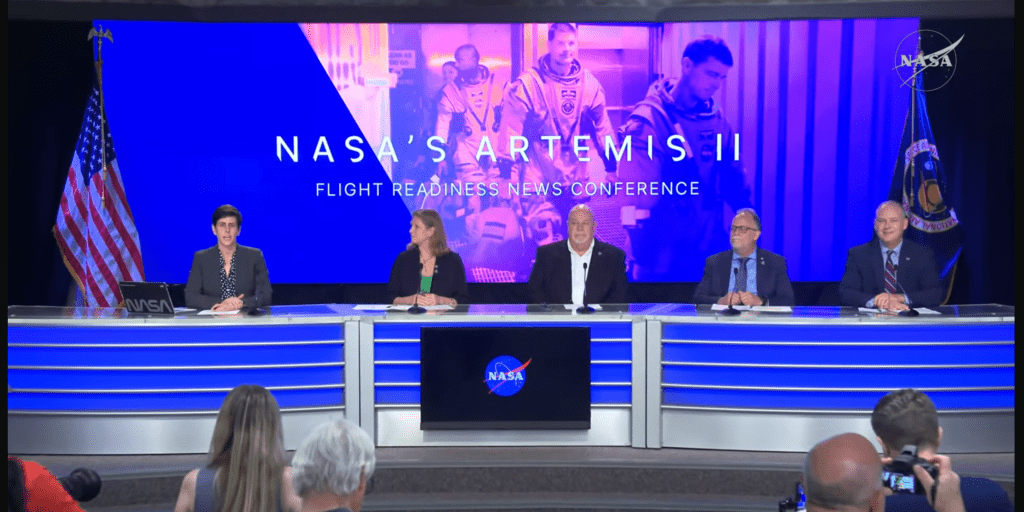
NASA officials have said March 6 is now the earliest potential launch opportunity, allowing time for a second wet dress rehearsal, data reviews and transitioning the launch pad and vehicle into launch configuration.
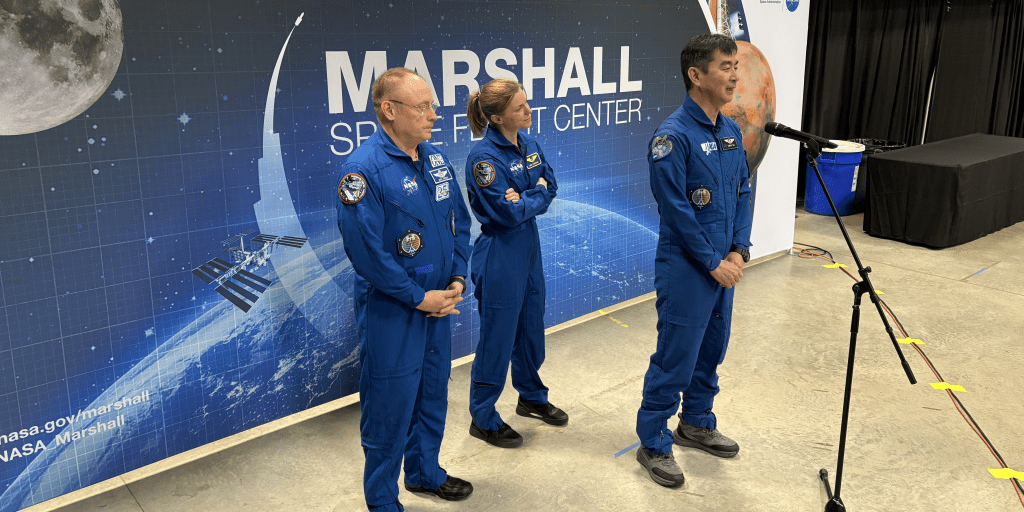
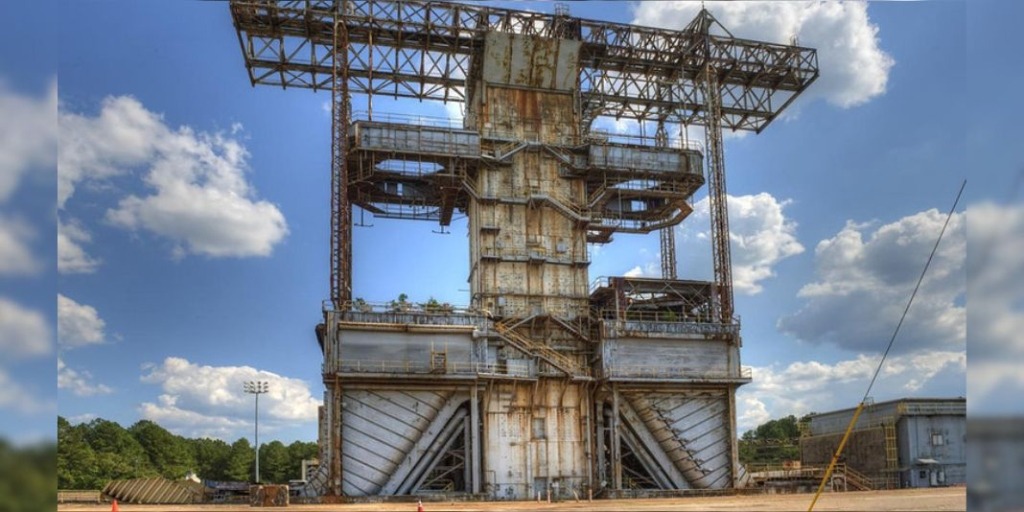
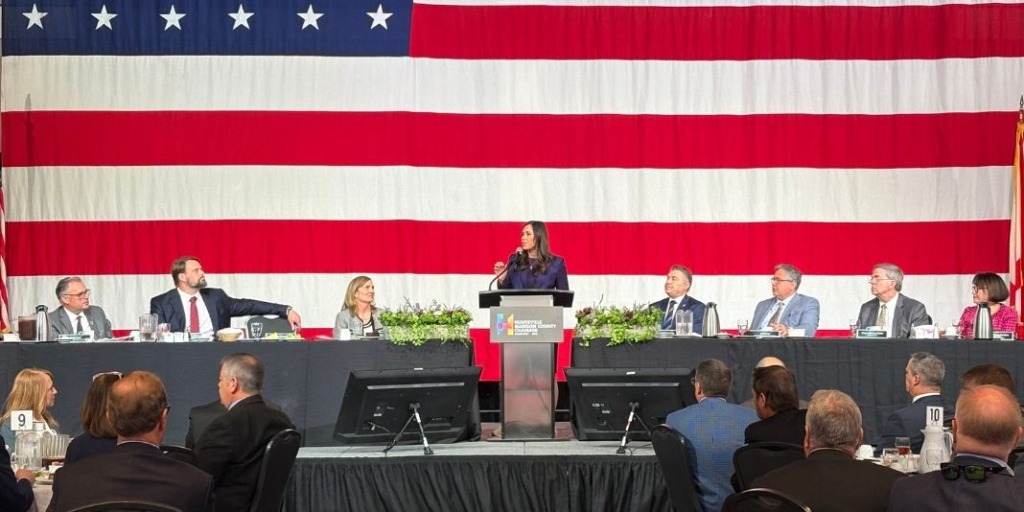
Huntsville continues to play a key role in the mission through NASA’s Marshall Space Flight Center, which manages the Space Launch System program.
Marshall engineers oversee critical rocket elements, including the Orion stage adapter that connects the Orion spacecraft to the SLS rocket. The Huntsville team also leads development of flight software and provides ongoing launch support during major milestones like the wet dress rehearsal.
The first full wet dress rehearsal earlier this month concluded after engineers completed many key objectives, including fully loading cryogenic propellant and safely draining the rocket. The countdown was paused late in the sequence as teams worked through closeout activities, and NASA later announced it would move the earliest launch opportunity to March to allow for additional testing and data review.
Artemis II will send four astronauts on a mission around the Moon, marking NASA’s first crewed lunar flight since Apollo 17 in 1972. The mission builds on Artemis I, the successful uncrewed test flight of the Space Launch System rocket and Orion spacecraft that orbited the Moon and returned to Earth.
Artemis II will be the first crewed test of SLS and Orion, paving the way for Artemis III, which aims to land the first humans near the lunar South Pole.
Looking ahead, Artemis IV will expand the program even further, debuting humanity’s first lunar space station, known as Gateway, along with a more powerful version of the SLS rocket and a new mobile launcher to support long term exploration of the Moon and beyond.