Fifteen years after the April 27, 2011, tornado outbreak, communities across North Alabama are pausing to remember a day that forever changed the region — and the lives of those who experienced it.
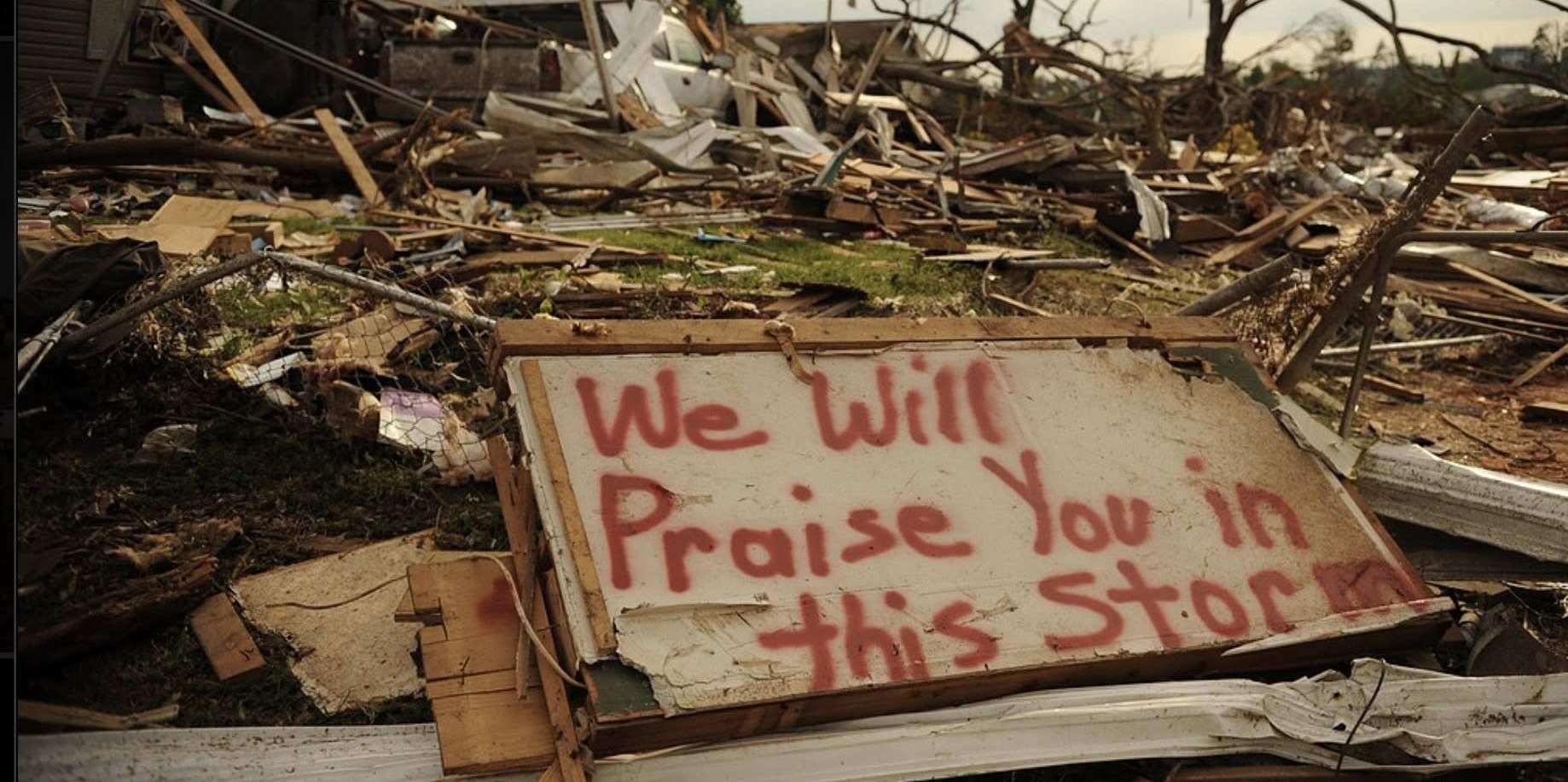
The April 27 2011, Alabama tornadoes remain one of the deadliest natural disasters in state history, claiming about 253 lives and injuring more than 2,000 people. For many in North Alabama, the impact was especially personal.
Nowhere was that more evident than in DeKalb County, where at least 34 people lost their lives as storms tore through communities across the Tennessee Valley. In total, 39 of the 62 tornadoes that struck Alabama that day touched down in the region, leaving widespread destruction in their wake.
The storms unfolded in two waves — one in the morning and another in the early evening — nearly matching Alabama’s average annual total of tornadoes in a single day. By late afternoon, communication with the National Weather Service radar in Hytop was lost, even as dangerous conditions intensified across North Alabama and southern Tennessee.
For many, survival came down to seconds.
On the 15th anniversary, U.S. Sen. Katie Britt (R-Ala.) reflected on the day in a message shared on social media, recalling both the devastation and the faith that carried families through it.
My family and I will never forget April 27, 2011.
15 years later, we continue to reflect on the devastation Alabama experienced and the grace of God that carried us through.
Today, we remember the 252 Alabamians we lost and pray for the loved ones they left behind. Even in the… pic.twitter.com/E6jgR1cjzA
— Senator Katie Boyd Britt (@SenKatieBritt) April 27, 2026
“My family and I will never forget April 27, 2011,” Britt wrote. “15 years later, we continue to reflect on the devastation Alabama experienced and the grace of God that carried us through. Today, we remember the 252 Alabamians we lost and pray for the loved ones they left behind.”
Britt was living in Tuscaloosa at the time with her husband and young children and has often spoken about how close her family came to tragedy. She has credited early warnings and meteorologists with helping them reach safety in time.
In North Alabama, the storms left lasting damage to homes, schools, and communities. At Plainview High School, which sustained extensive damage, recovery quickly became a community-wide effort. Volunteers arrived in large numbers to help clear debris and provide supplies, while nearby Sylvania High School opened its doors to allow students to complete the school year.
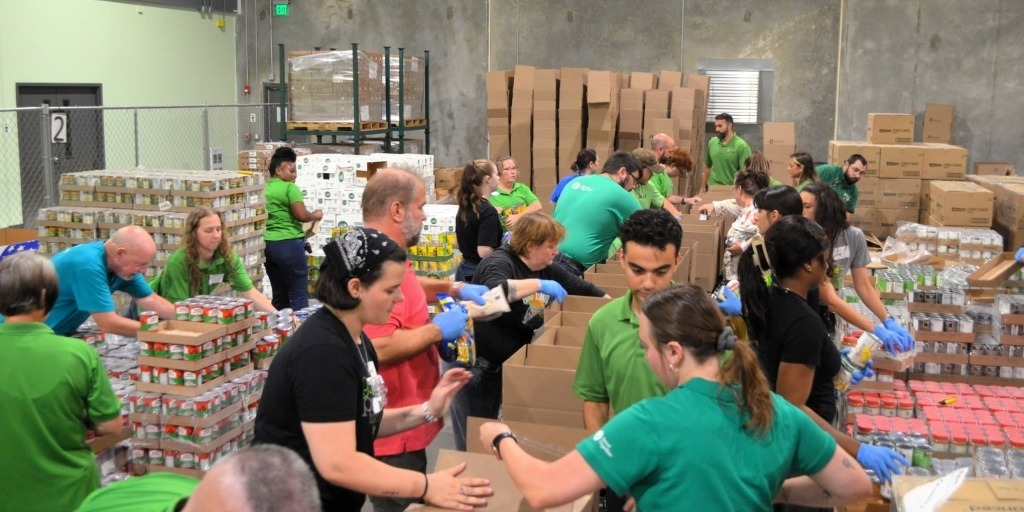
Support also poured in from beyond the region. Schools across the country sent supplies, and thousands of volunteers stepped in to help families rebuild. Through organizations such as Serve Alabama and United Ways of Alabama, more than 52,000 volunteers contributed over 325,000 hours to recovery efforts.
In some communities, rebuilding took years. Churches, schools, and neighborhoods were restored piece by piece, reflecting both the scale of the destruction and the determination to move forward.
The anniversary also serves as a reminder of the importance of severe weather preparedness across the region. In the years since 2011, advancements in forecasting, communication, and public awareness have helped strengthen Alabama’s response to dangerous storms — a reality many credit with saving lives.
Still, for those who lived through April 27, the memories remain close.
Fifteen years later, North Alabama continues to remember those who were lost, honor those who survived, and reflect on a day that reshaped the region — and revealed the resilience of the communities that call it home.
Sherri Blevins is a writer for 256 Today.