A bill introduced in the Alabama House would significantly change how ivermectin is dispensed in the state, allowing pharmacists to provide the drug without an individual prescription under a standing order from certain licensed health care providers.
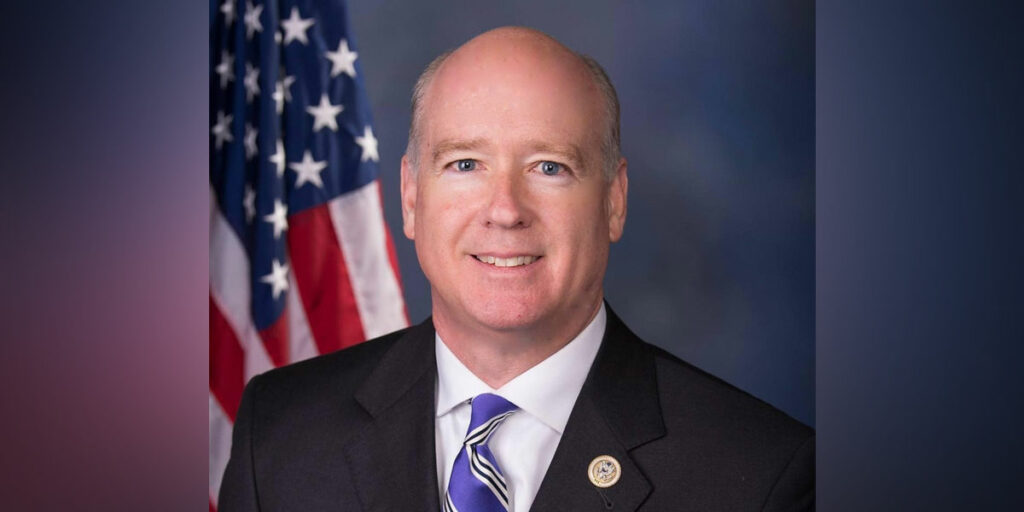
HB146, sponsored by North Alabama State Rep. Phillip Rigsby (R-Huntsville), was introduced during the 2026 Regular Session and referred to the House Health Committee. The legislation would permit pharmacists to dispense ivermectin pursuant to a standing order signed by a licensed physician, physician assistant or certified registered nurse practitioner, rather than requiring a patient-specific prescription.
Rigsby, a pharmacist in Huntsville, said the bill is focused on access while maintaining safety requirements.
“HB146 is about improving patient access while keeping safety at the forefront,” Rigsby said in a statement to 256 Today.
“This bill allows pharmacists to dispense ivermectin under a standing order from a licensed physician, physician assistant, or nurse practitioner, using clear screening protocols and patient education requirements. It removes unnecessary barriers for adults seeking lawful treatment, while maintaining safeguards and protecting health care professionals who act in good faith.”
Under existing Alabama law, ivermectin may only be dispensed by a pharmacist with a prescription from a licensed physician. HB146 would allow standing orders that include a risk assessment protocol, guidance for managing adverse events, standardized patient education materials, and documentation requirements for pharmacists.
The bill applies to individuals 19 years of age or older, or to unemancipated minors with written parental or guardian consent. It would also prohibit health care providers and pharmacists from participating in any program or receiving anything of value that would induce them to encourage or endorse ivermectin use.
HB146 includes explicit liability protections. The bill bars governing licensing boards from taking disciplinary action against health care providers who issue standing orders or pharmacists who dispense ivermectin in good faith under those orders. It also clarifies that the act does not establish medical or pharmacy standards of care and does not alter Alabama’s medical liability laws.
The proposal comes amid longstanding controversy surrounding ivermectin, particularly its use during the COVID-19 pandemic.
The U.S. Food and Drug Administration has not authorized or approved ivermectin for the prevention or treatment of COVID-19 in humans or animals and has determined that available clinical trial data do not demonstrate effectiveness for that purpose. The FDA has also warned that taking large doses of ivermectin can be dangerous and that veterinary formulations should never be used by people.
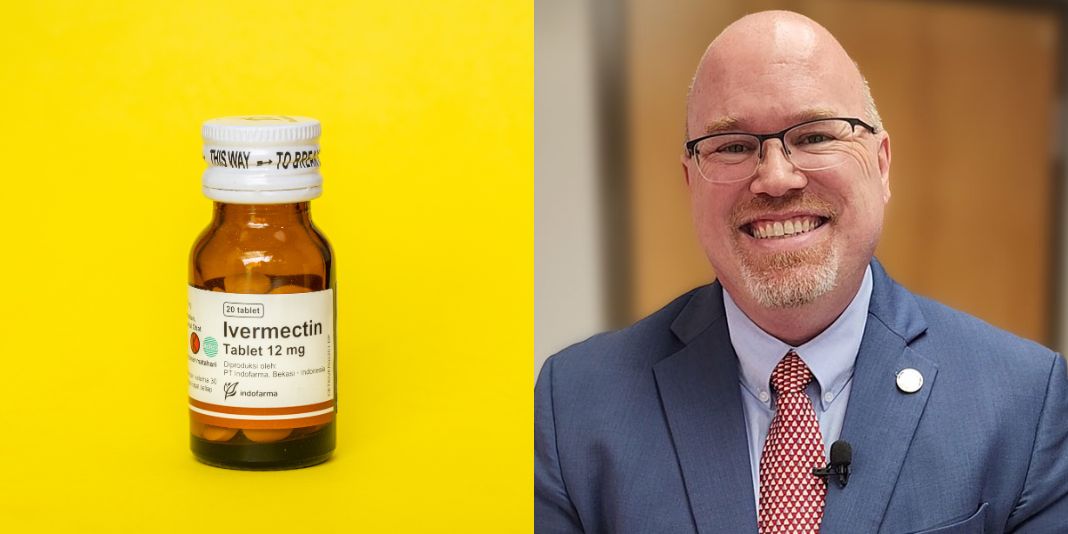
According to the FDA, ivermectin tablets are approved for human use only to treat intestinal strongyloidiasis and onchocerciasis, conditions caused by parasitic worms. Certain topical forms are approved for external parasites and skin conditions such as head lice and rosacea. While health care professionals may prescribe approved drugs for unapproved uses when they judge it medically appropriate, the FDA emphasizes that ivermectin has not been shown to be safe or effective for treating or preventing COVID-19.
Federal health agencies have echoed those warnings. The National Institutes of Health recommends against using ivermectin for COVID-19 outside of clinical trials, the World Health Organization advises its use only within clinical studies, and the Centers for Disease Control and Prevention has issued advisories warning against misuse. During the pandemic, poison control centers reported sharp increases in adverse events linked to ivermectin misuse, including nausea, vomiting, seizures, coma and death.
A separate bill this session, House Bill 127, also addresses ivermectin but takes a broader approach. HB127 would expand legal protections for pharmacists and allow over-the-counter sales of ivermectin and hydroxychloroquine, while limiting retaliation by licensing boards, employers and pharmacy benefit managers for dispensing medications for off-label use. That proposal has drawn concern from pharmacy professionals over patient safety, particularly related to hydroxychloroquine.
If passed, HB146 would take effect Oct. 1, 2026.