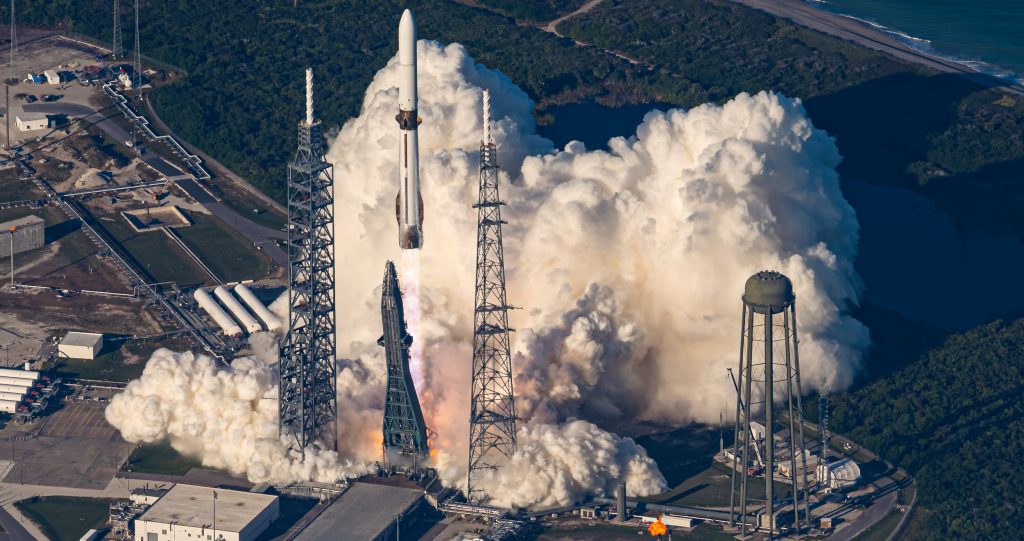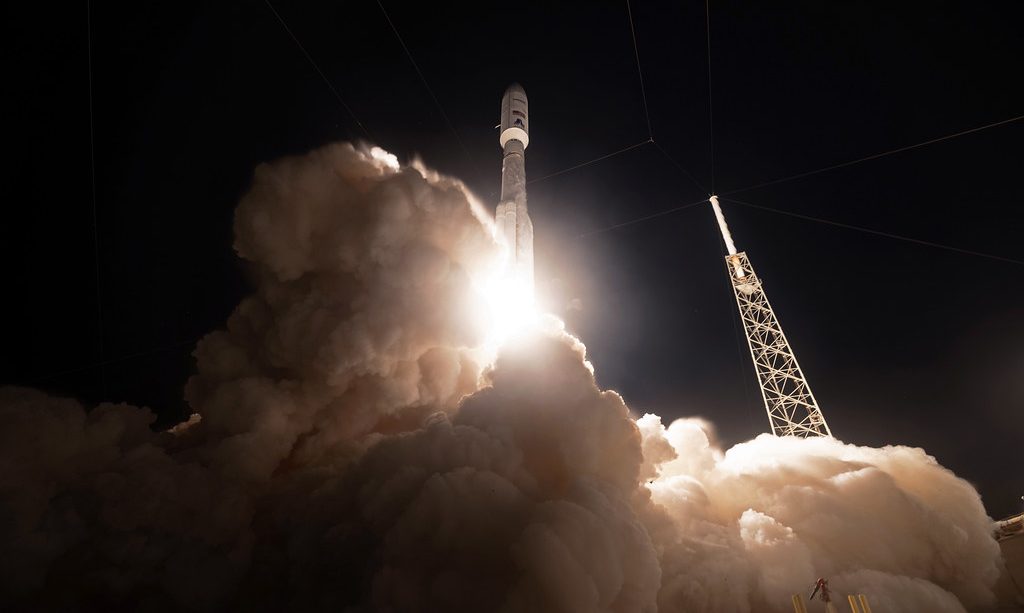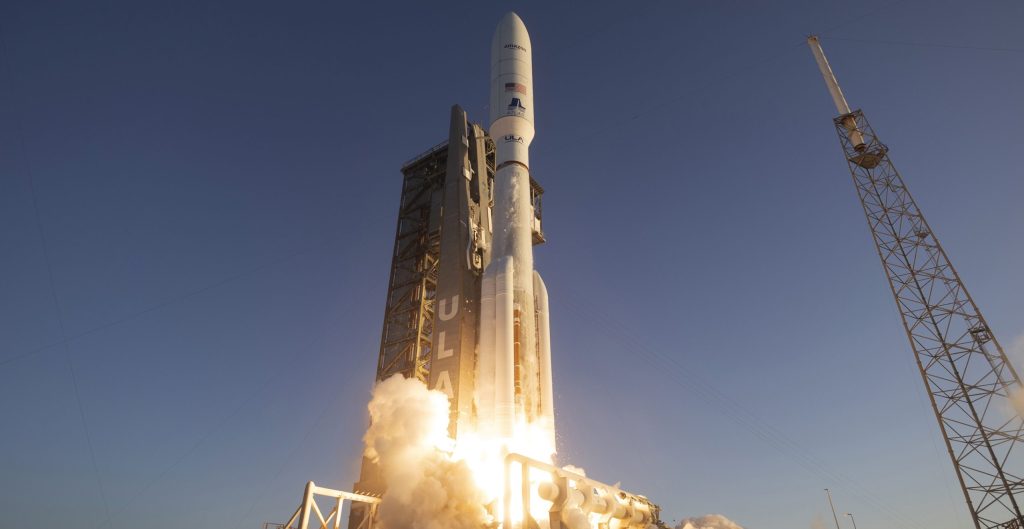
CAPE CANAVERAL, Fla. — The inaugural launch of the United Launch Alliance Vulcan Centaur rocket is set for May 4, ULA President and CEO Tory Bruno said Thursday.
The launch will carry Astrobotic’s Peregrine lunar lander and two satellites for Amazon’s Project Kuiper.
“We are now targeting the fourth of May so we plan our manifest around that and be ready to fly that payload when it comes in,” Bruno said.
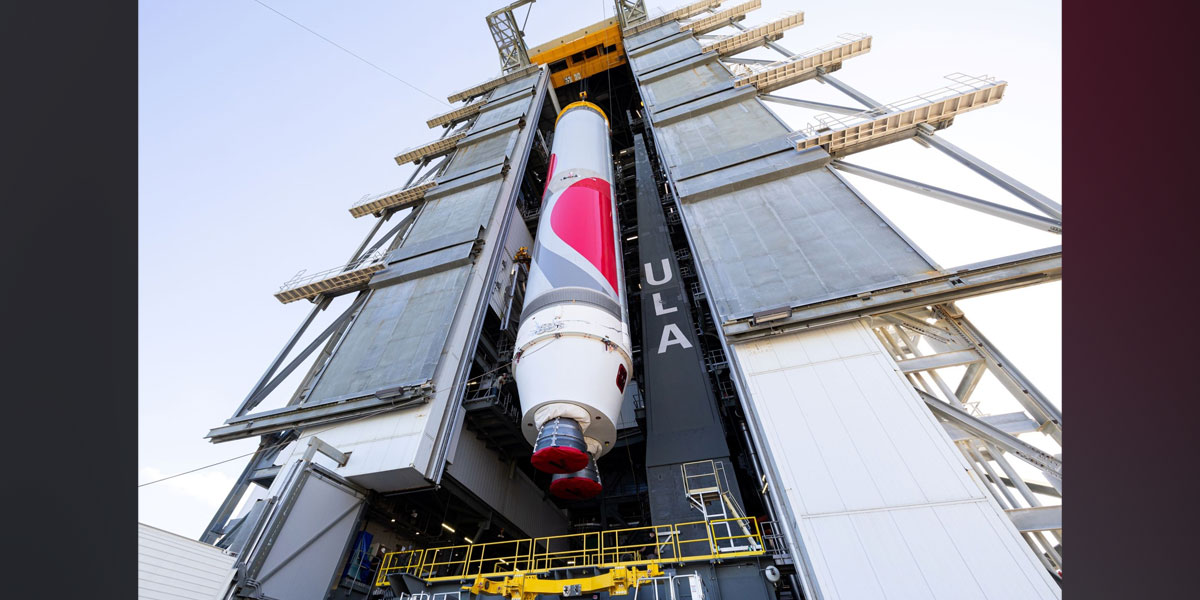
The Decatur-built rocket will roll out to the pad for tanking tests and a wet dress rehearsal that entails a practice countdown but the activity is stopped just before the engines are ignited.
The final test is a flight-readiness firing which culminates with Blue Origin-built BE-4 engines in the booster firing at about 70% of thrust for 3.5 seconds.
The Vulcan will then return to the payload integration facility before being rolled back to the pad for launch.
The mission’s main payload, the Peregrine lunar lander, recently finished testing at the Marshall Space Flight Center. After going to the Astrobotic Technology facility in Pittsburgh for final preparations, it will be shipped to Cape Canaveral.
Despite a delay from the originally scheduled March launch, Bruno said there is no frustration with the team.
“Are we frustrated? No. We’re being careful and we’re being thoughtful to make sure we have a successful mission,” he said. “We want very much to get this right, and waiting a few weeks for the first launch does not impact any of those other schedules. We have plenty of time to do this.
“We’re going to do this the right way.”