Blue Origin has successfully completed qualification testing of a modified component in its Huntsville-built BE-4 rocket engines, marking a significant step toward returning its New Glenn rocket to flight following a fiery test failure at Cape Canaveral in May.
The company announced Tuesday that its modified main oxygen valve has passed qualification testing and has already been incorporated into engines scheduled for upcoming flights.
The valve was identified as the source of the May 28 hot-fire anomaly that caused an explosion and damaged launch infrastructure at Cape Canaveral Space Force Station.
“The updated configuration retains the existing valve architecture while incorporating targeted design improvements,” Blue Origin said in its Nov. 10 update.
The company is now installing the modified valve across its remaining engine fleet and expects to complete its investigation later this month.
From investigation to recovery
The development follows months of testing and investigation after the explosion at Launch Complex 36.
In August, Blue Origin confirmed that the anomaly originated at the main oxygen valve on one of the BE-4 engines, a finding supported by recovered hardware and inspections.
Engineers conducted extensive component-level and engine hot-fire tests to understand the failure and develop modifications that could be installed on existing engines.
The company has also been working to restore launch operations at Cape Canaveral.
Rather than rebuild the original launch pad configuration, Blue Origin announced plans to adopt a hybrid horizontal and vertical integration process. Under the revised approach, rocket stages will be assembled horizontally before being transported to the pad, raised vertically and joined with the payload.
Blue Origin CEO Dave Limp said in June that the change would also help increase New Glenn’s future launch frequency.
Limp previously said the company intended to resume New Glenn flights before the end of 2026. Tuesday’s update did not announce a launch date.
Huntsville’s role in New Glenn
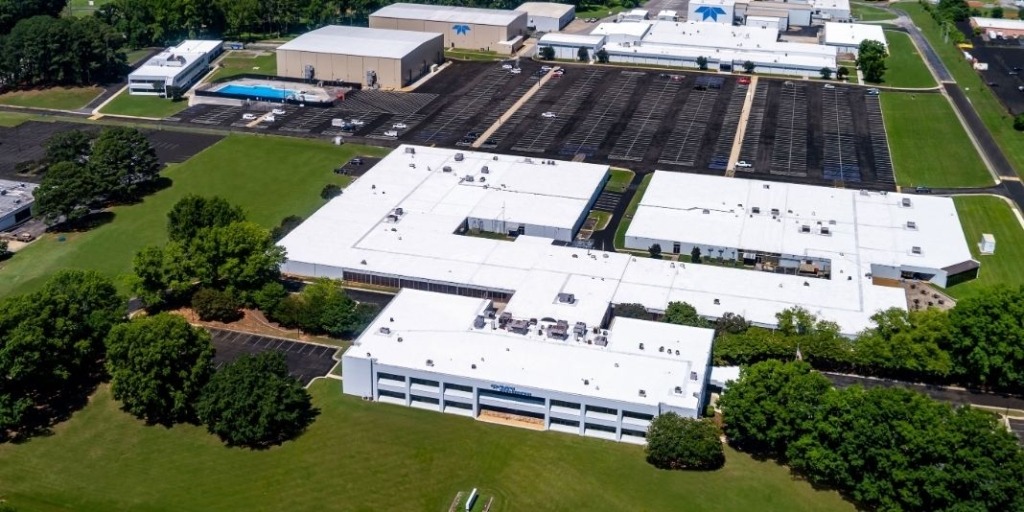
The BE-4 engines are manufactured at Blue Origin’s Huntsville facilities and power the first stage of the company’s heavy-lift New Glenn rocket.
Blue Origin also manufactures BE-7 engines and precision thrusters in Huntsville for other space programs, including lunar missions, and conducts engine testing at Redstone Arsenal.
The company has continued expanding its North Alabama operations, including previously announced plans to add more than 100 jobs tied to increased thruster production.
New Glenn is designed to carry commercial satellites, national security payloads and missions supporting NASA’s space exploration programs.
The latest qualification milestone moves Blue Origin closer to resuming launch operations, although the company has not announced that the investigation is complete or confirmed a return-to-flight date.
Got a tip for OTR? Send your tip to [email protected] with related photo/video, your name, phone number, and e-mail address.