Alabama State Parks has launched a new statewide habitat restoration initiative aimed at combating invasive species, restoring native landscapes and improving wildlife habitat across its park system.
The initiative, known as the Statewide Native Habitat Restoration Crew, was made possible through a $25,000 grant from the Alabama Association of RC&D Councils and will provide Alabama State Parks with a mobile conservation team capable of supporting restoration projects at parks throughout the state.
State park officials said the program will help address one of the most significant challenges facing public lands: the spread of invasive plant species that displace native vegetation and degrade wildlife habitat.
“Invasive species are one of the greatest challenges facing many of our natural areas,” said Tasha Simon, chief of natural resources for Alabama State Parks. “When invasive plants become established, they can displace native vegetation, reduce wildlife habitat, alter ecosystems and impact the overall health of the landscape. This initiative gives us the tools and resources needed to address those challenges more effectively while engaging volunteers and community partners in meaningful conservation work.”
Alabama State Parks manages more than 48,000 acres of public land across 21 parks, many of which require ongoing restoration and invasive species management efforts.
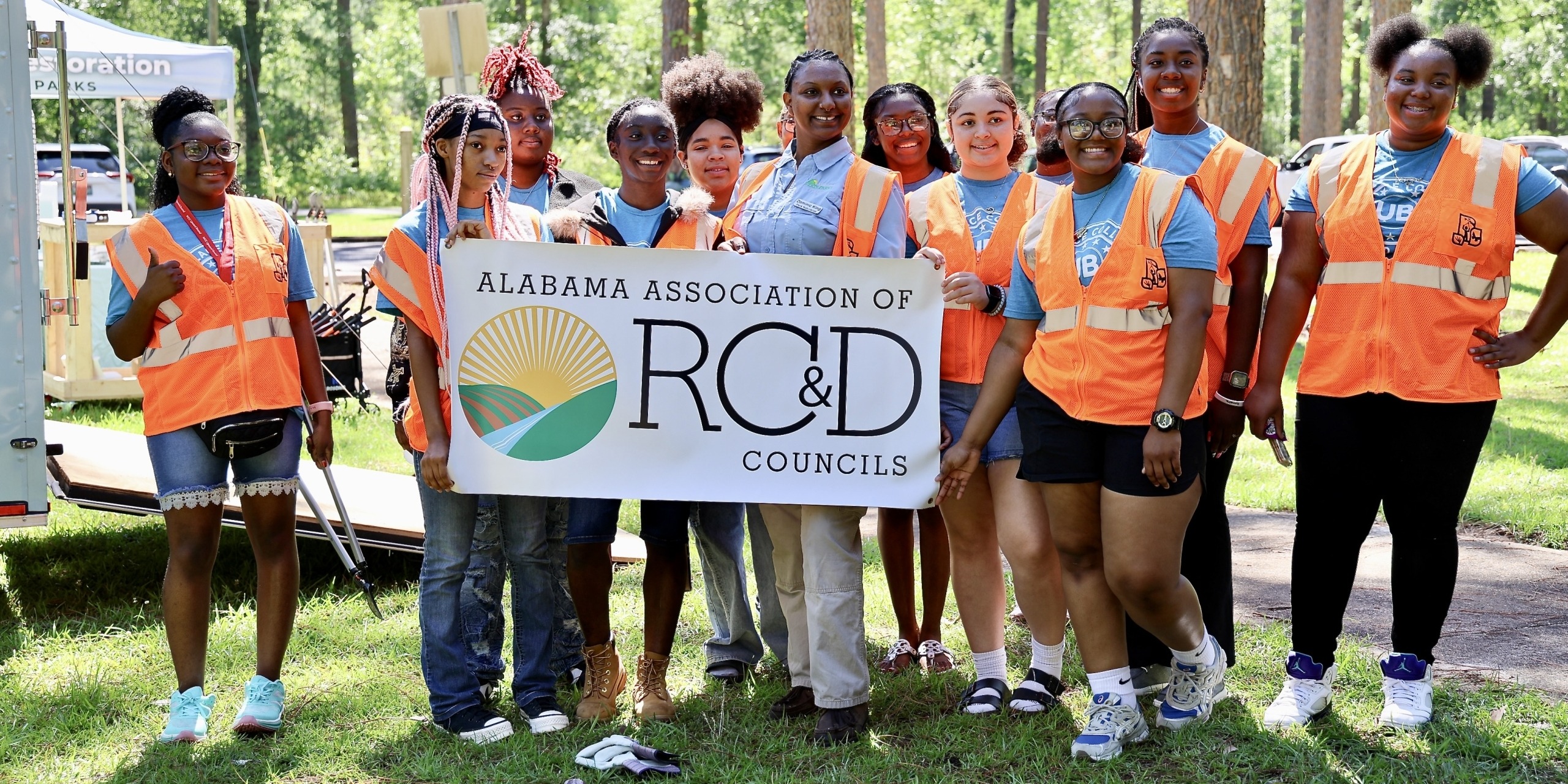
The program officially launched June 4 at Lakepoint State Park, where students from the Wallace Community College TRiO Upward Bound Program joined park staff and volunteers to remove Chinese tallowtree, an aggressive invasive species known for rapidly spreading and crowding out native plants.
Officials said the event combined hands-on conservation work with environmental education, giving students an opportunity to learn about invasive species management while improving habitat conditions within the park.
“This initiative represents much more than a new piece of equipment,” said Alabama State Parks Director Matthew Capps. “It represents a statewide conservation team that can be deployed wherever the need exists across our park system. By restoring native habitat, removing invasive species and engaging volunteers in stewardship projects, we can make a greater impact on the landscapes we manage and the experiences we provide our visitors.”
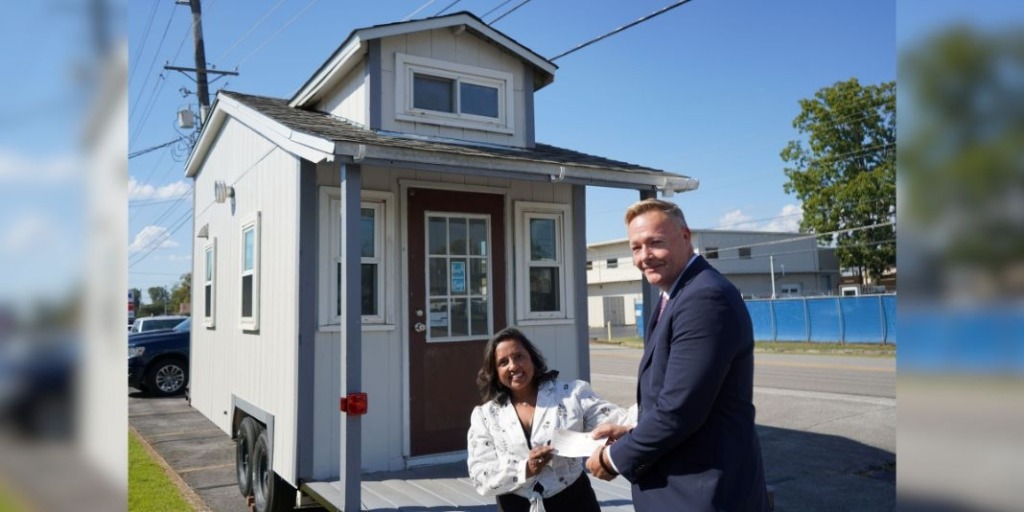
Grant funding was used to purchase specialized trailers, tools, safety equipment and restoration supplies that can be deployed to parks across Alabama as restoration needs arise.
The initiative is also designed to expand volunteer opportunities and environmental education programs while strengthening partnerships with schools, civic organizations and community groups.
“The Alabama Association of RC&D Councils is proud to support Alabama State Parks through this initiative,” said Clara Romine, grants director for the Alabama Association of RC&D Councils. “By investing in habitat restoration and invasive species management, we are helping protect Alabama’s natural resources while strengthening opportunities for community involvement and environmental stewardship.”
Future projects will focus on removing invasive species, restoring native plant communities and improving wildlife habitat at parks across the state. Alabama State Parks plans to announce upcoming volunteer opportunities and restoration projects through its social media channels.
Organizations, schools and community groups interested in participating in habitat restoration efforts or organizing volunteer service projects can contact Alabama State Parks for additional information.
Got a tip for OTR? Send your tip to [email protected] with related photo/video, your name, phone number, and e-mail address.