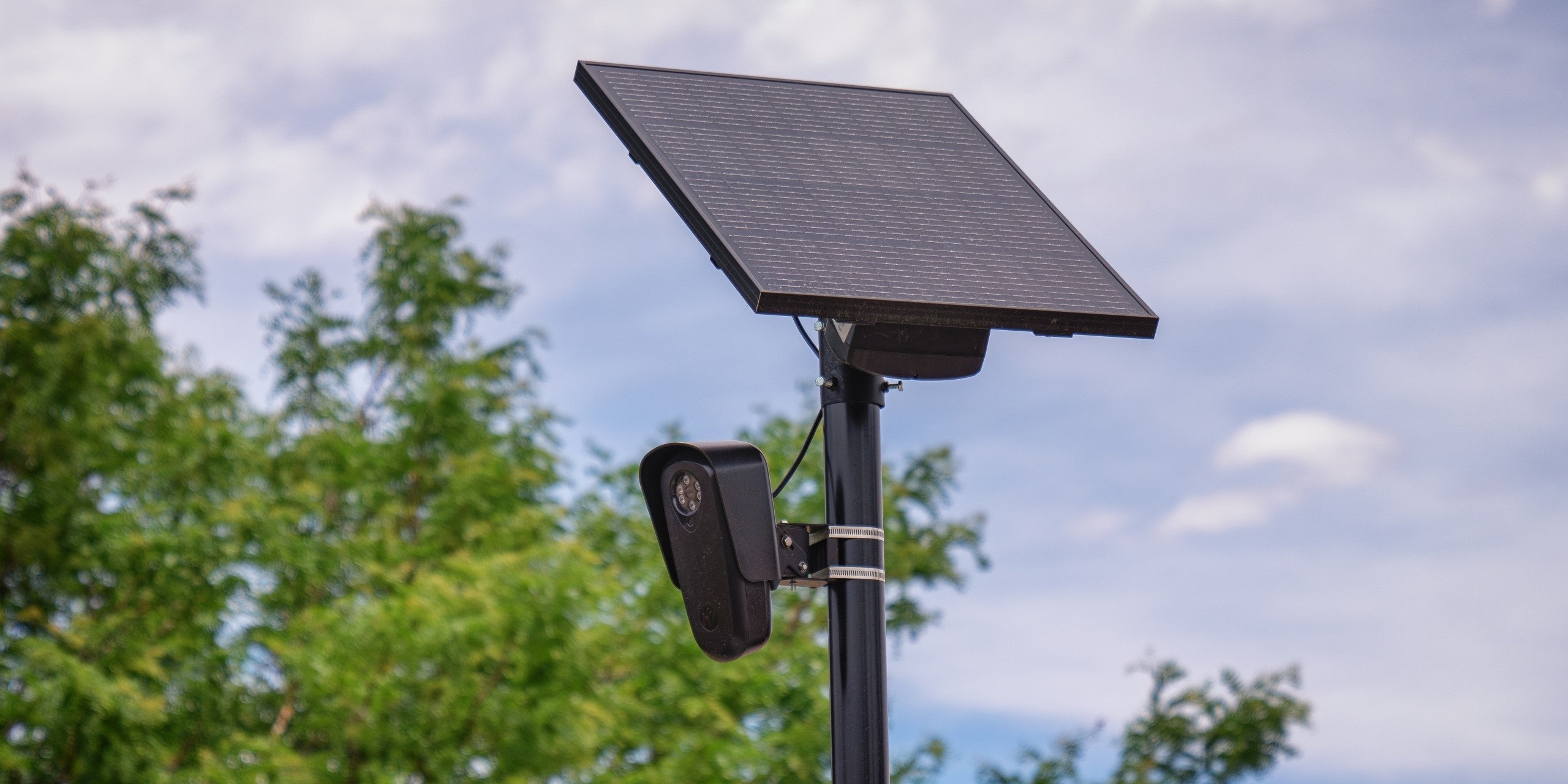
As automated license plate readers draw increased attention across Alabama, Decatur officials are giving residents a closer look at how the city’s Flock Safety camera system works — and the safeguards designed to ensure the technology is used responsibly.
The City of Decatur this week released an overview explaining how the Decatur Police Department uses automated license plate readers as an investigative tool to help locate stolen vehicles, find missing people and investigate serious crimes, while limiting access to trained personnel and retaining vehicle data for only 30 days.
“Public safety and public trust must go hand in hand,” Mayor Kent Lawrence said. “These cameras give our officers another tool to locate stolen vehicles, find missing people, and investigate serious crimes. Just as important, their use must remain limited, accountable, and transparent.”
According to the city, the Decatur Police Department currently operates 44 Flock Safety cameras positioned to capture vehicles traveling on public roadways. The cameras record license plate numbers along with the date, time and location where a vehicle passes, as well as basic identifying information such as its make, model and color.
Officials emphasize that the system is designed to identify vehicles — not people.
The cameras do not use facial recognition technology, collect cellphone data or automatically identify a vehicle’s driver or registered owner. If investigators need ownership information, officers must access separate authorized law enforcement databases governed by state and federal regulations.
The system can alert law enforcement when it detects license plates associated with stolen vehicles, missing-person cases, Amber Alerts, Silver Alerts or active felony warrants.
City officials stress that those alerts are only investigative leads.
Before taking action, dispatchers and officers must verify the license plate, compare the vehicle description and confirm the underlying law enforcement record. The city says human review remains essential because license plates can occasionally be misread and outside databases may not always reflect the most current information.
Vehicle information collected through Decatur’s cameras is retained for 30 days before being automatically deleted. Access is limited to trained law enforcement personnel, with the department currently maintaining 41 authorized users and five administrative users who oversee the system.
Every officer must complete training before receiving access, and every search conducted within the system is logged and available for administrative review through built-in auditing software.
“Technology does not replace an officer’s judgment, training, or responsibility,” Lawrence said. “It should support good police work, not replace the safeguards that protect the public.”
The city acknowledged that residents may have concerns about privacy and government technology, saying the program operates under Alabama law, state regulations and Decatur Police Department policy.
Access to the system is limited to authorized law enforcement agencies for legitimate investigative purposes. Members of the public cannot search Decatur’s cameras or access the department’s information, and all activity within the system is recorded and subject to review.
Lawrence said the city intends to continue evaluating the program while maintaining transparency with residents.
“These questions deserve clear answers,” he said. “We will continue to review how the system is used, maintain strong oversight, and make sure our public-safety tools serve the people of Decatur responsibly.”
Sherri Blevins is a reporter for 256 Today.
Got a tip for OTR? Send your tip to [email protected] with related photo/video, your name, phone number, and e-mail address.