Alabama’s progress in early literacy took center stage on Capitol Hill this week as U.S. Rep. Robert Aderholt convened a congressional hearing focused on the science of reading, highlighting gains made in Alabama and across the South.
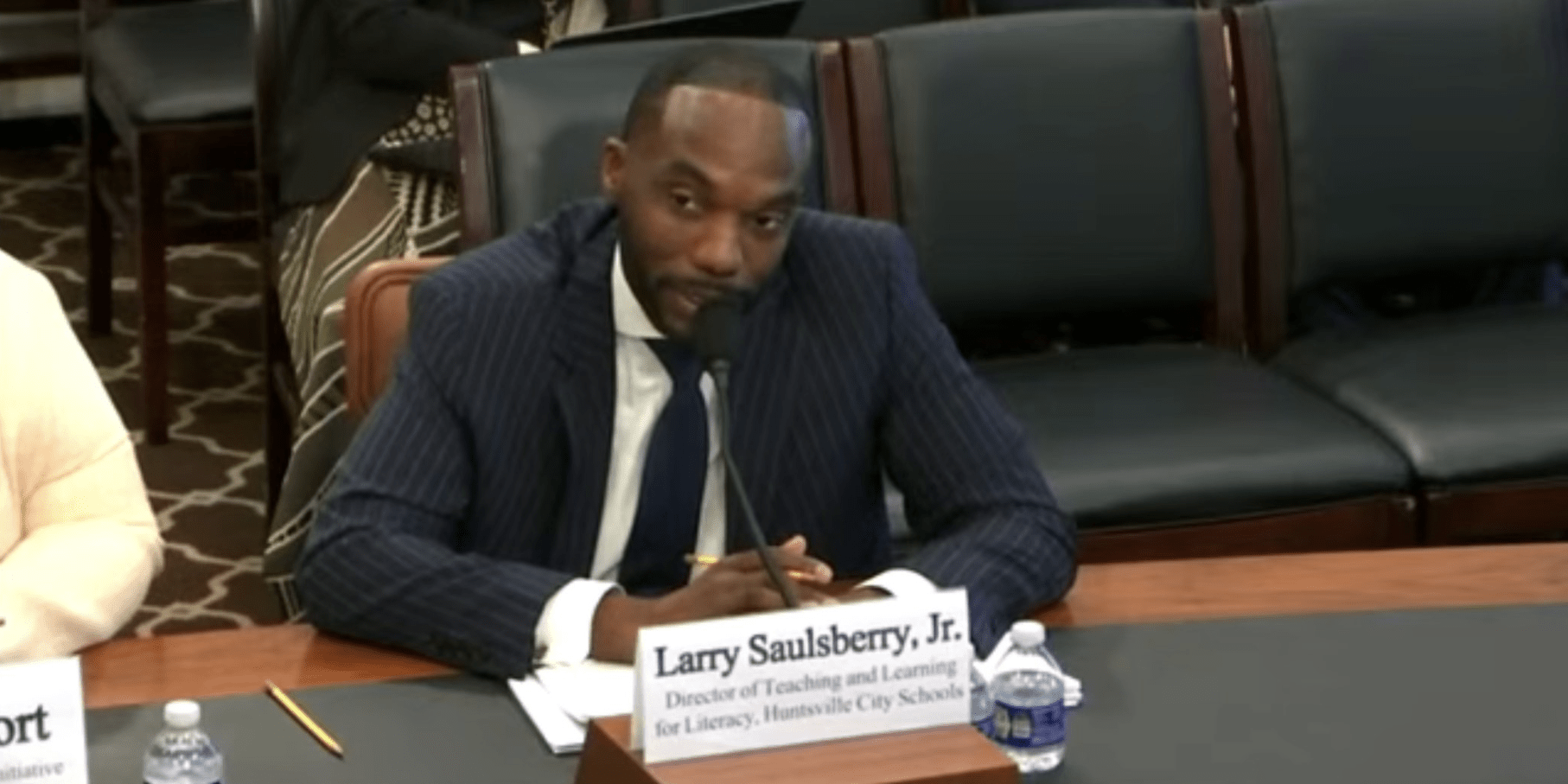
The House Appropriations Subcommittee on Labor, Health and Human Services, Education, and Related Agencies held the hearing to examine research-based reading instruction and federal investments that support it. Among those testifying was Larry Saulsberry Jr., Huntsville City Schools’ Director of Teaching and Learning for K through 12 Literacy.
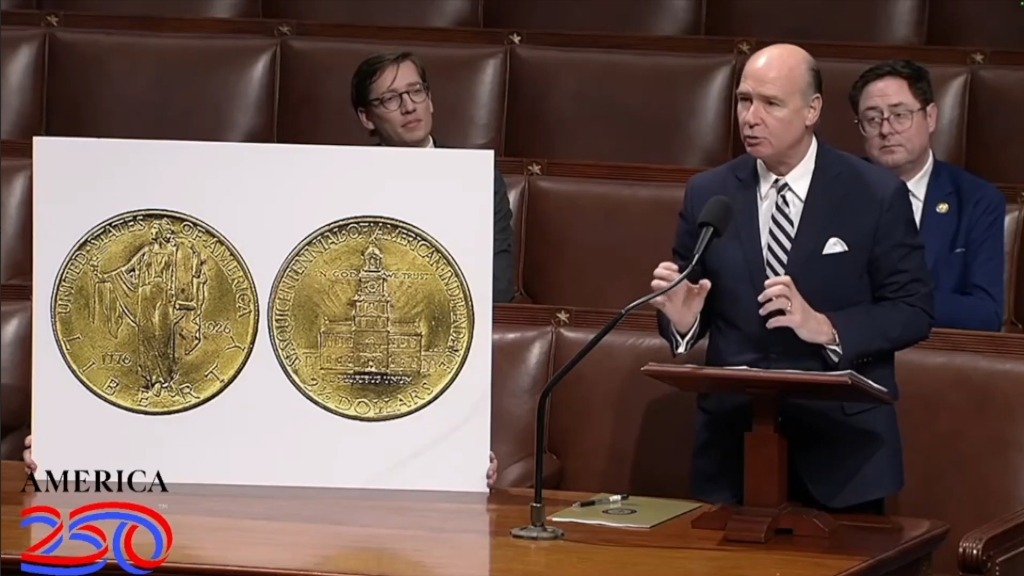
Aderholt (R-Haleyville), who chairs the subcommittee, opened the hearing by emphasizing that strong reading skills by fourth grade are foundational to lifelong success.
“When students master basic reading skills by the fourth grade, they make the important transition from learning to read to reading to learn,” Aderholt said. “That is why these early years are so critical and why we owe it to our children to provide them with proven, effective instruction in reading.”
The Alabama congressman pointed to measurable gains in states that have adopted science-of-reading strategies, which emphasize phonemic awareness, phonics, fluency, vocabulary and comprehension.
From 2019 to 2024, Alabama moved from 49th to 34th in the nation in fourth-grade reading performance, according to national assessment data cited during the hearing. Aderholt also noted that Alabama is one of only two states to exceed pre-pandemic reading levels.
“We still have a long way to go,” he said. “But this progress is important and still in the right direction.”
Saulsberry told lawmakers that Alabama’s literacy improvements are the result of intentional implementation, teacher training and sustained support at the state and local levels.
He testified that 88% of Alabama third graders were reading on or above grade level in spring 2025, while stressing the need to support the remaining students who have not yet reached proficiency.
“One of the greatest gifts that we can give a student is the gift of reading, not just reading, but proficient reading,” Saulsberry said.
Saulsberry outlined Huntsville City Schools’ literacy initiatives serving nearly 24,000 students, including partnerships with national training programs, expanded teacher professional development and investments in literacy specialists.
The district has 26 local reading specialists and eight reading interventionists funded through the Alabama Reading Initiative, along with additional literacy specialists funded locally.
He emphasized the importance of coaching and ongoing professional development rather than one-time training sessions, noting that teachers must be equipped to address gaps in phonological awareness, vocabulary and comprehension.
Aderholt echoed that sentiment, arguing that sustained investments in evidence-based practices yield the strongest returns.
“The key is the wise and prudent use of resources directed toward proven teaching methods and a strong focus on the fundamentals,” he said.
The hearing also featured testimony from Bonnie Short, director of the Alabama Reading Initiative, who described the state’s coordinated approach to literacy under the Alabama Literacy Act, including early screening, tiered interventions and classroom-based coaching.
Lawmakers from both parties expressed concern that national reading proficiency remains low. According to testimony presented at the hearing, only 31% of fourth graders nationwide read at a proficient level.
Saulsberry told members of Congress that continued federal support for research-based instruction, teacher preparation and literacy intervention programs is essential to sustaining gains made in Alabama and beyond.
District leaders said his appearance reflects Huntsville City Schools’ commitment to strong literacy instruction and its vision of being recognized globally as a model district offering transformative opportunities for students.