Alabama’s redistricting battle escalated Friday after Governor Kay Ivey announced a special session of the Alabama Legislature, signaling a new phase in the state’s response to recent U.S. Supreme Court action in Louisiana v. Callais.
The move follows a series of legal filings by state officials seeking to overturn federal court injunctions that have kept Alabama’s 2023 congressional map from being used. Attorney General Steve Marshall and Secretary of State Wes Allen both asked the U.S. Supreme Court to act quickly to lift the restrictions, arguing the latest ruling undermines the legal basis for the current court-ordered map.
Marshall said the Court’s decision clarified that race and political affiliation cannot be treated as interchangeable in redistricting challenges and urged the justices to allow Alabama to proceed under its enacted map. Allen separately asked for expedited consideration, saying Alabama should be able to draw districts that reflect the will of its voters.
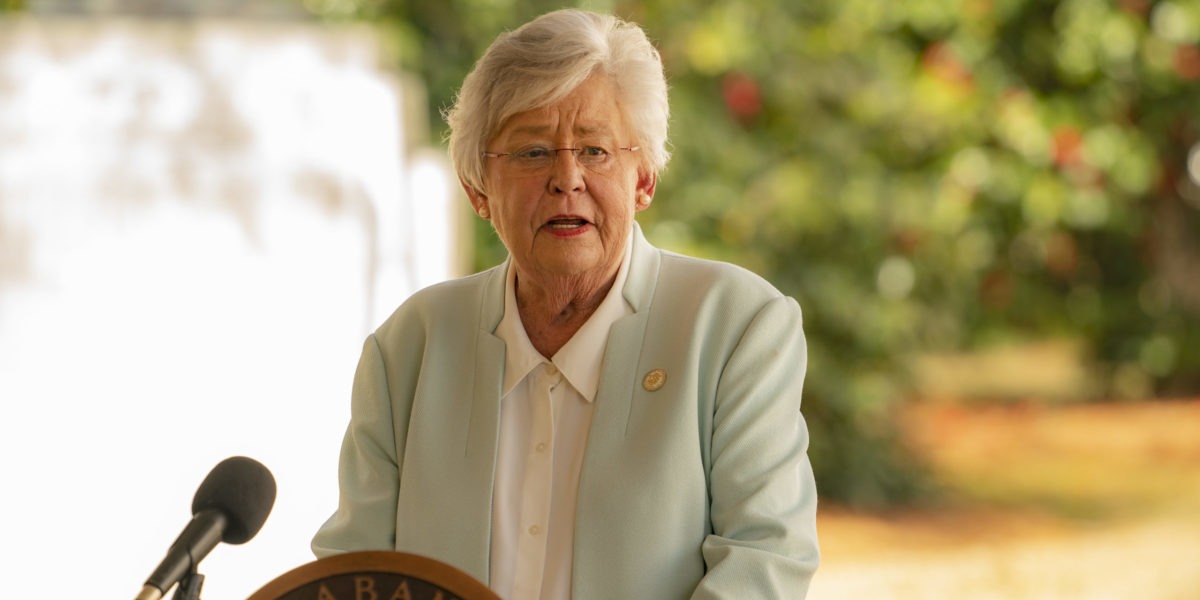
In her Friday statement, Ivey said the state is positioning itself for potential near-term court action and directed lawmakers to prepare for the possibility of new district lines being used this election cycle if the injunction is lifted. She also called for legislation establishing procedures for a possible special primary election in districts affected by court changes.
“I am calling a special session of the Alabama Legislature,” Ivey said, adding that the state must be ready “should the courts act quickly enough” to allow revised maps to take effect.
The governor’s action marks a shift from earlier statements this week in which she said Alabama was not yet positioned to take legislative steps while litigation remained pending.
“While we were not yet in position to call a special session earlier this week, I said we needed to keep up our fight in the courts. Immediately, Attorney General Steve Marshall filed emergency motions at the U.S. Supreme Court regarding Alabama’s redistricting case. As I said following the emergency motions being filed, I remain hopeful Alabama will receive a favorable outcome from the U.S. Supreme Court, which is why I am now calling a special session of the Alabama Legislature,” Ivey said.
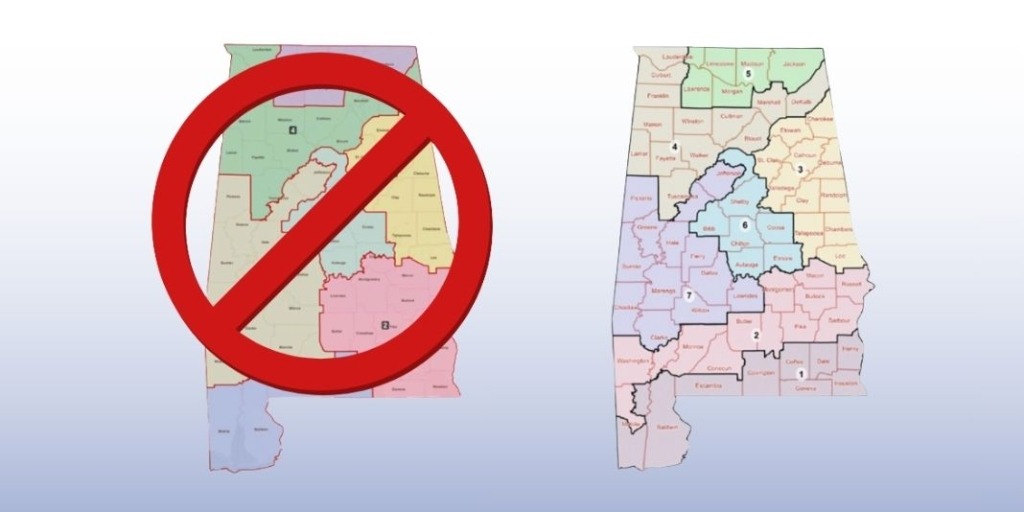
At issue is whether Alabama will continue under its current court-ordered congressional map, which created a second majority-Black district after a 2023 ruling, or revert to a map drawn by lawmakers if federal injunctions are lifted following the Supreme Court’s latest decision.
Earlier this week, Marshall filed emergency motions asking the high court to lift injunctions blocking Alabama’s 2023 congressional map, arguing the restrictions cannot stand after the court’s decision in Louisiana v. Callais. The ruling narrowed how race can be used in redistricting cases under the Voting Rights Act.
“The Supreme Court has now made clear that you cannot assume race and politics are the same thing,” Marshall said, adding the state “deserves the right to use its own maps.”
Read the motions here, here, and here.
Secretary of State Wes Allen also filed a motion urging expedited consideration, saying Alabama should be allowed to pursue maps that “reflect the will of the people.”
“As the appellant in Alabama’s redistricting case, I have taken the legal measures necessary, in cooperation with Alabama’s Attorney General Steve Marshall to ask the US Supreme Court to take quick and decisive action which will allow Alabama to pursue congressional maps that reflect the will of the people,” Allen said. “It is my hope that our right as Alabamians to draw districts will be swiftly restored and that the days of court appointed mapmakers will be behind us.”
Ivey endorsed the filings, praising Marshall and Allen for acting quickly and reiterating her position that Alabama, not federal courts, should draw its districts.