A major U.S. Supreme Court ruling handed Alabama Republicans a sweeping legal victory this week, but for most of North Alabama, the practical impact on congressional representation appears minimal.
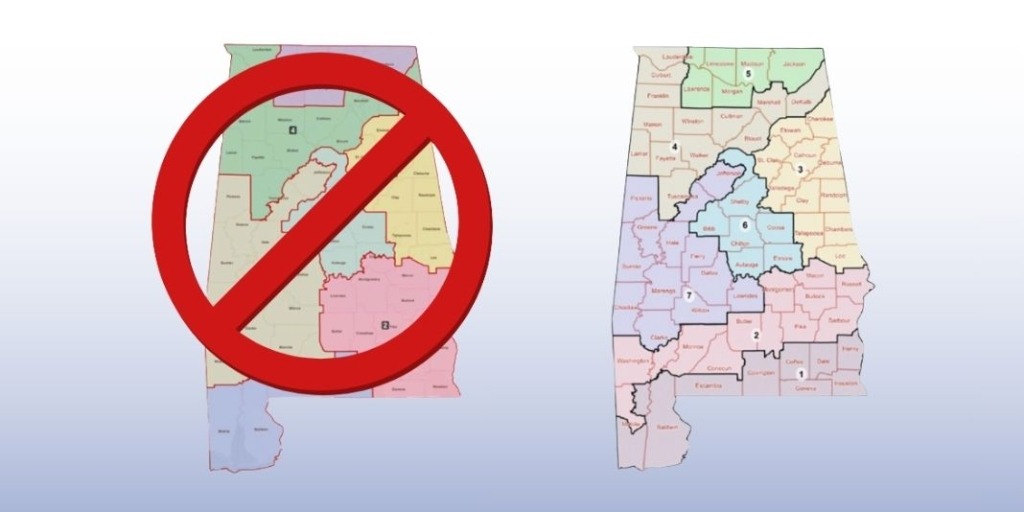
The high court on Monday vacated federal court injunctions tied to Alabama’s court-ordered congressional map, clearing the way for the state to return to its 2023 legislatively drawn map and reopening the door for lawmakers to pursue a Republican-favored 7-0 congressional split.
While the ruling could significantly reshape congressional boundaries in parts of south and central Alabama, North Alabama’s districts were already largely untouched under the court-ordered 2024 remedial map.
The region’s congressional footprint is expected to remain mostly stable if lawmakers revert to the 2023 map, with only possible minor population-balancing adjustments.
U.S. Rep. Dale Strong’s 5th Congressional District, which covers Huntsville and much of the Tennessee Valley, lies wholly within North Alabama and saw little change during the previous court-ordered redraw.
Likewise, U.S. Rep. Robert Aderholt’s 4th Congressional District continues to represent much of north-central Alabama, while Cherokee and Etowah counties remain within U.S. Rep. Mike Rogers’s 3rd Congressional District.
Under the court-ordered map used in 2024, Alabama’s northern districts, particularly Districts 3, 4 and 5, experienced minimal changes compared to the larger shifts that occurred in southern portions of the state.
Monday’s ruling vacating federal court injunctions on Alabama’s congressional map stems from the U.S. Supreme Court’s recent decision in Louisiana v. Callais, which raised the legal standard for proving race improperly drove redistricting decisions.
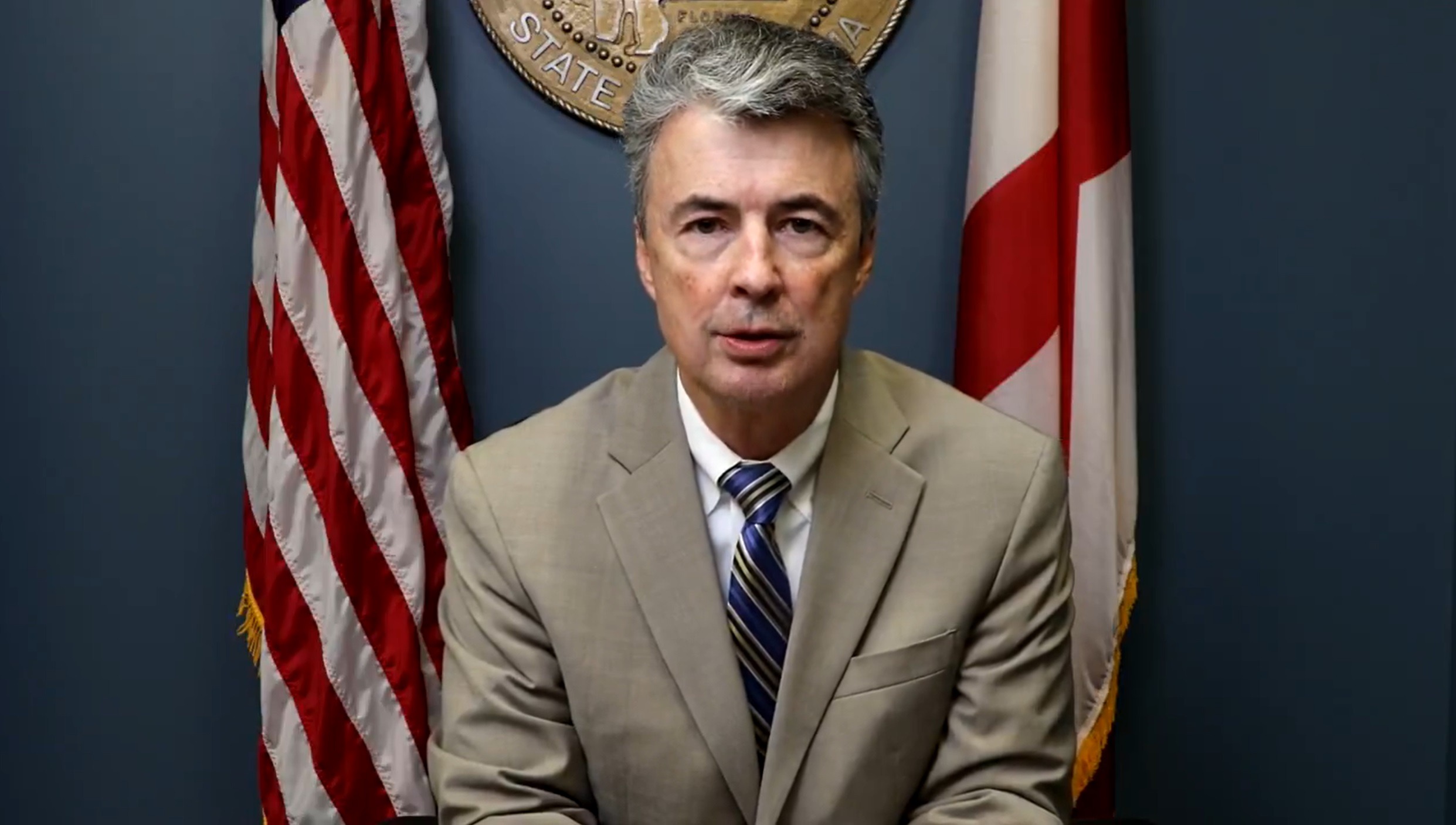
Alabama Attorney General Steve Marshall celebrated the decision as a landmark moment for the state.
“Now the power to draw Alabama’s maps goes back to the people’s elected representatives. That’s our Legislature,” Marshall said in a video statement released Monday. “For too long, unelected federal judges have had more say over Alabama’s elections than Alabama’s voters. That ended today.”
Marshall also made clear his office’s political objective moving forward.
“My job in this office was to put the legislature in the best possible legal position to draw a congressional map that favors Republicans 7-0,” he said.
Alabama House Speaker Nathaniel Ledbetter called the decision “a massive victory not just for Alabama, but for conservatives across the country.”
“Our elections should be decided by Alabamians at the ballot box — not by judges in courtrooms,” Ledbetter said in a statement.
Alabama Senate President Pro Tem Garlan Gudger said the ruling removes “the thumb from the scale” placed by what he described as activist federal judges.
“With its order, the U.S. Supreme Court has cleared the path for Alabama to hold free, open, and fair elections using the constitutional maps drawn by the Legislature,” Gudger said.
The Alabama Legislature concluded a special session last week positioning the state to move quickly following the Supreme Court ruling.
For voters across the Tennessee Valley, however, the political shakeup is expected to produce far less visible change than in other parts of Alabama, where congressional district lines have remained the focus of prolonged legal and political fights.