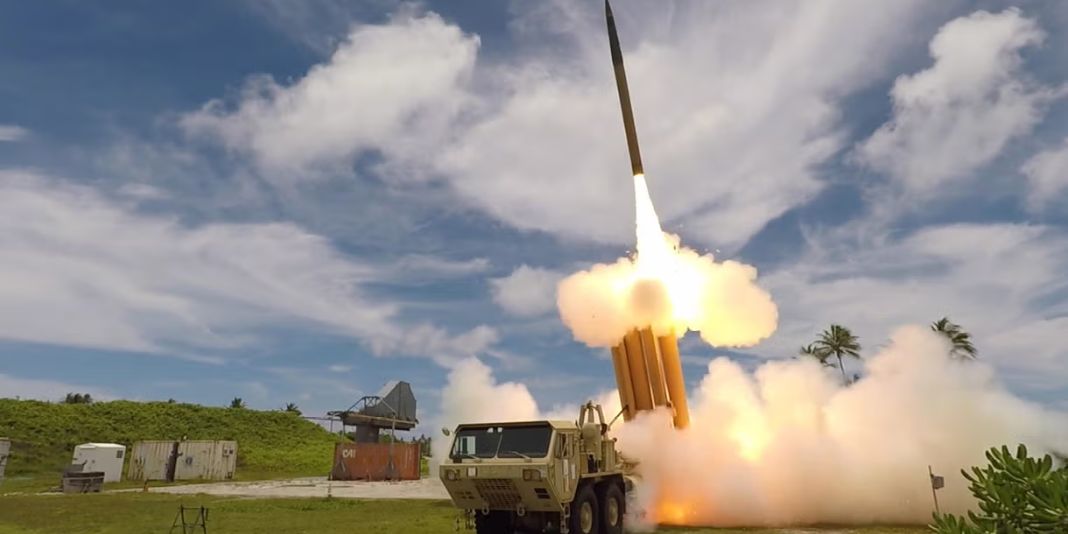
L3Harris Technologies has received a contract valued at more than $6 billion to dramatically increase propulsion production for the nation’s Terminal High Altitude Area Defense system.
The seven-year contract from Lockheed Martin is the latest step in an effort announced earlier this year to quadruple THAAD propulsion production. L3Harris produces THAAD solid rocket boost motors in Huntsville and Camden, Arkansas.
The announcement said L3Harris will construct a new facility to support increased THAAD solid rocket boost motor manufacturing and expand capacity for THAAD’s Liquid Divert and Attitude Control production, but did not identify where the new facility will be located.
“We’ll have more information to share in the future,” an L3Harris spokeswoman told 256 Today when asked about the new facility’s location.
“This contract underscores L3Harris’ demonstrated ability to quickly deliver critical defense technologies at the scale and speed required by the Department of War,” said Ken Bedingfield, president of Missile Solutions at L3Harris. “Our planned facility expansions, along with ongoing investments across our propulsion portfolio, will ensure we remain ready to support the nation’s most important missile defense missions and continue to enable a wartime footing.”
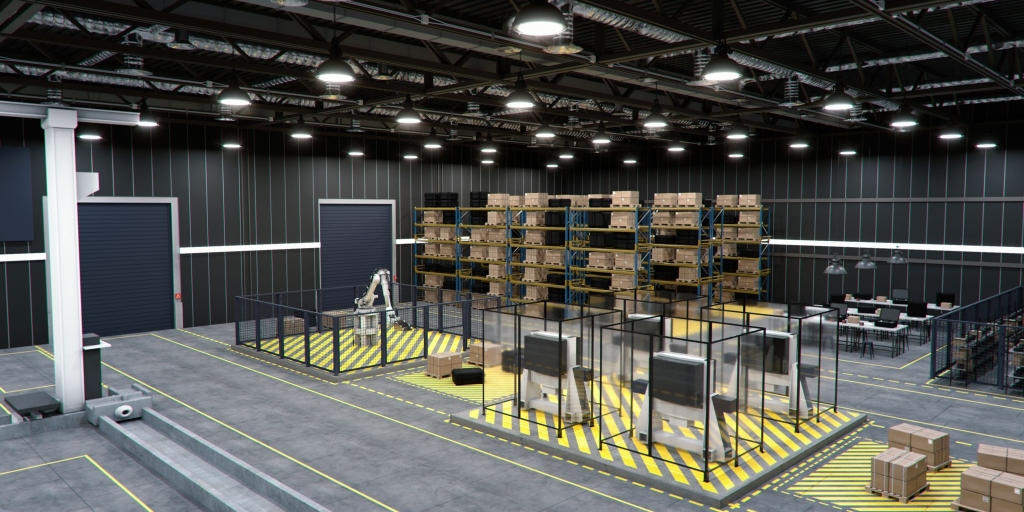
L3Harris’ Missile Solutions business is headquartered in Huntsville, where the company already has a sizable manufacturing footprint supporting missile and propulsion programs.
That footprint includes its 136,000-square-foot Advanced Manufacturing Facility and the 379,000-square-foot AMF-South facility near Huntsville International Airport. The latter was developed to increase production capacity for critical defense programs as demand for solid rocket motors has grown.
The new contract is part of a much larger effort to rapidly increase production of THAAD interceptors.
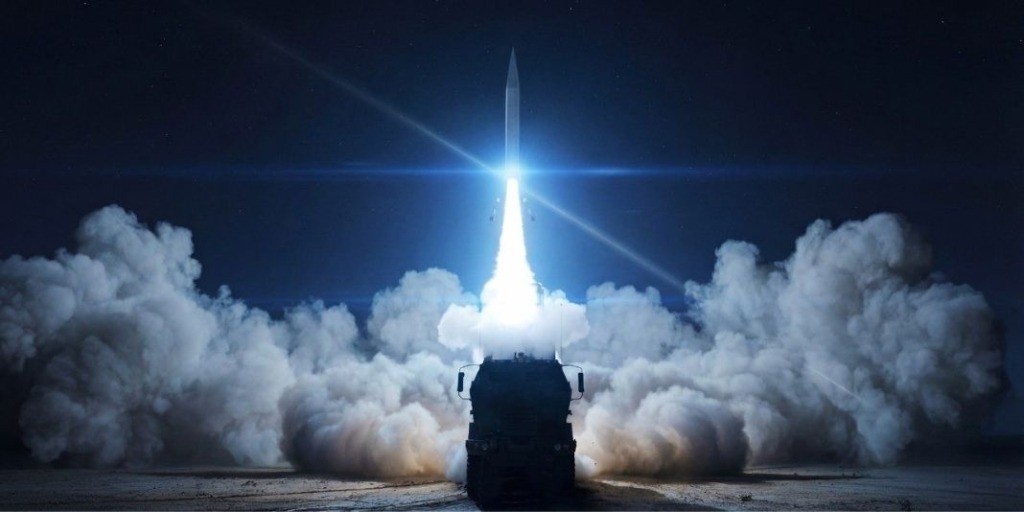
Earlier this year, Lockheed Martin and the Department of War announced an agreement aimed at increasing THAAD interceptor production from 96 to as many as 400 annually.
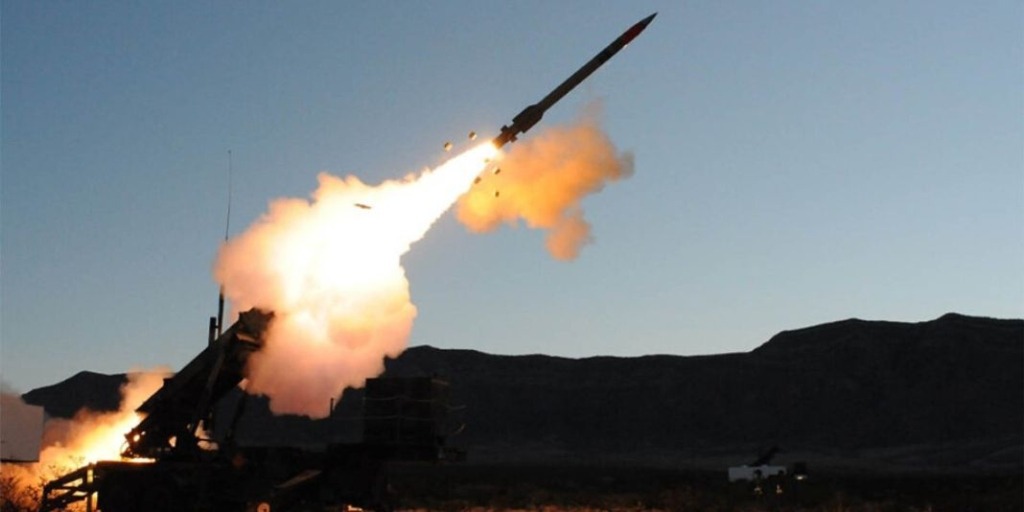
THAAD is designed to intercept short-, medium- and intermediate-range ballistic missiles during their final phase of flight, both inside and outside the Earth’s atmosphere. According to L3Harris, THAAD has a 100% success rate in intercept tests, with 17 successful intercepts in 17 system intercept tests since production began.
“L3Harris is proud to partner with Lockheed Martin to significantly scale production of these vital interceptors, providing warfighters with the reliable, proven capabilities they need to defeat a range of threats,” Bedingfield said.
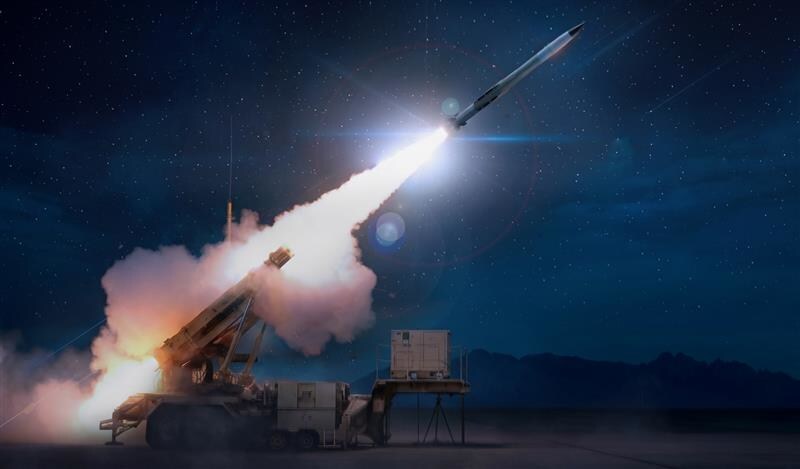
The award finalizes the THAAD framework agreement announced earlier this year as part of a broader effort to increase production of both THAAD and PAC-3 MSE propulsion systems.
Together, the investments reflect a broader push to expand the nation’s capacity to manufacture missile interceptors and the propulsion systems that power them.
For Huntsville, the THAAD expansion adds to a missile defense portfolio deeply rooted in North Alabama, where L3Harris, Lockheed Martin and the Army’s missile and space organizations maintain major operations.
Got a tip for OTR? Send your tip to [email protected] with related photo/video, your name, phone number, and e-mail address.