What is taking shape in Courtland is more than another defense manufacturing facility — it is part of a broader effort to reshape how the United States defends against advanced missile threats.
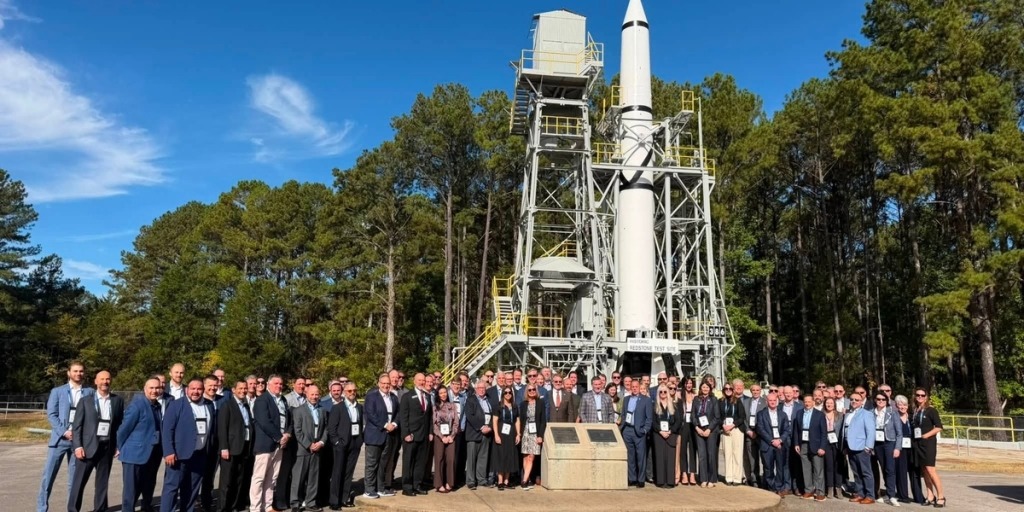
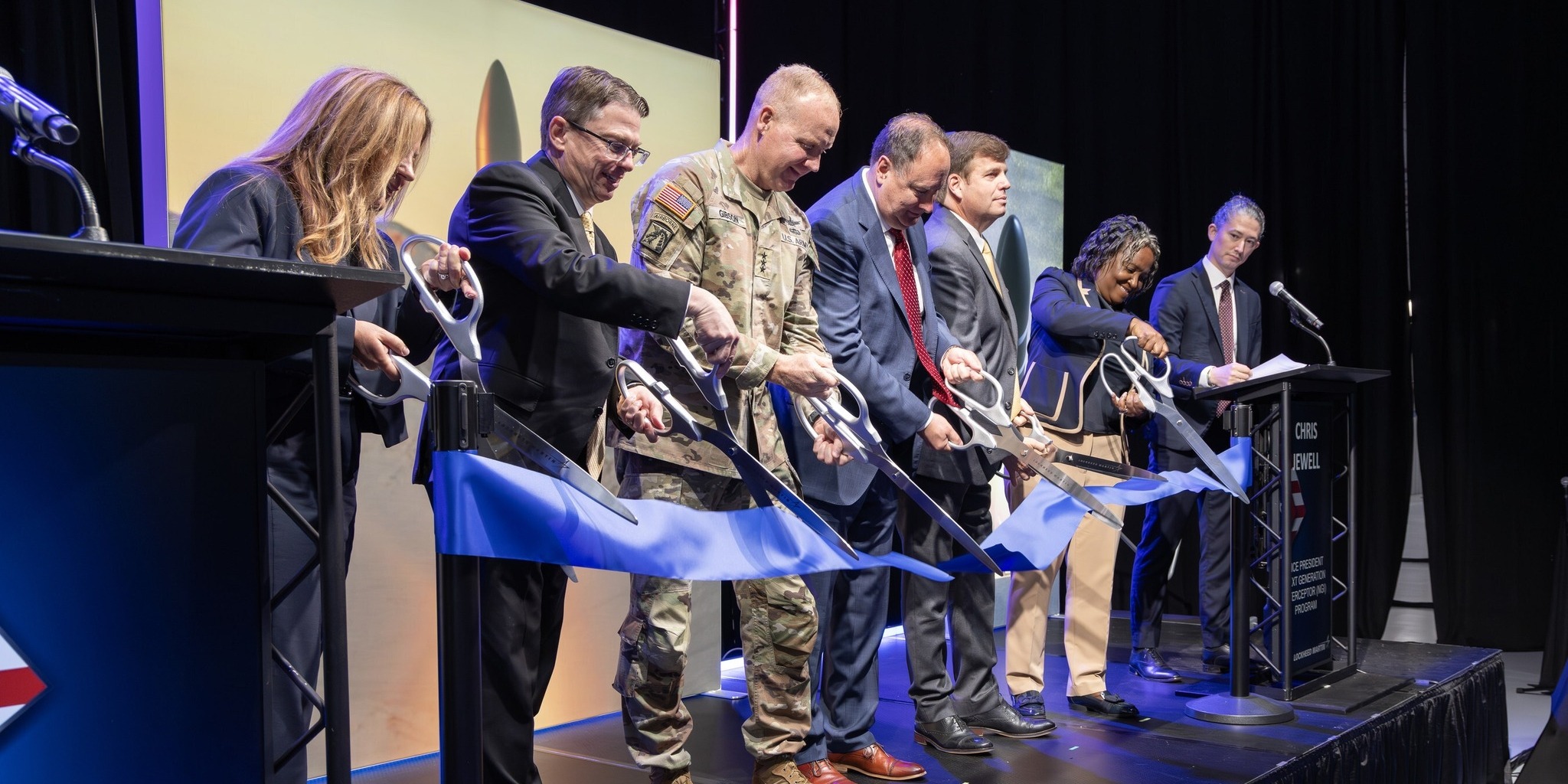
Lockheed Martin this week opened its new 88,000-square-foot Missile Assembly Building 5 in Courtland, where the company will produce the Next Generation Interceptor for the Missile Defense Agency. The Decatur-Morgan County Chamber of Commerce joined in celebrating the addition with a ribbon-cutting ceremony.
The facility, known as MAB-5, will produce the interceptor system as part of the Missile Defense Agency’s layered missile defense architecture and the broader “Golden Dome for America” initiative. The interceptor program is intended to strengthen the nation’s homeland missile defense capabilities.
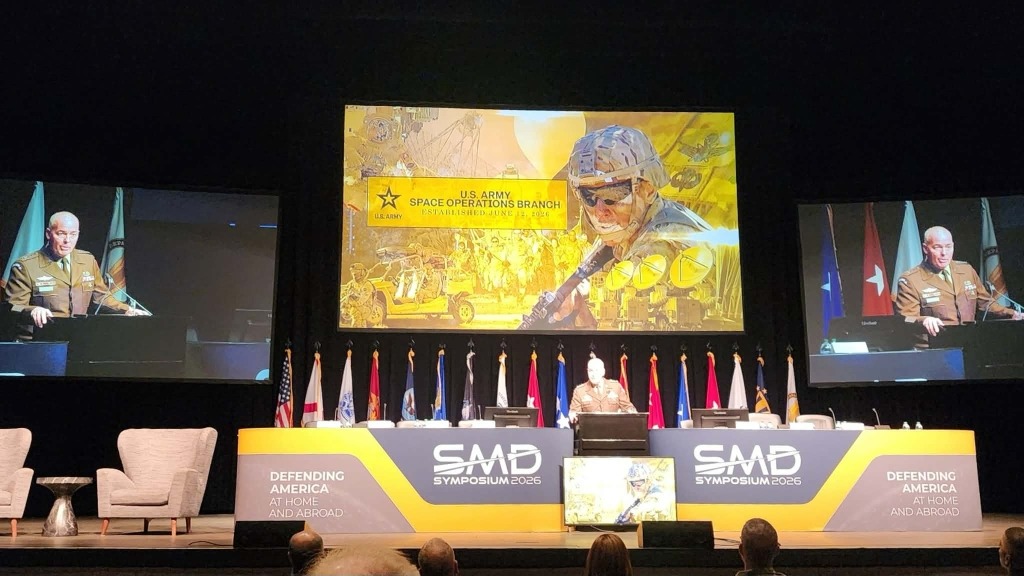
During the opening ceremony, Gen. Mike Guetlein, director of Golden Dome for America, emphasized the national significance of the project.
“You are not just building infrastructure, you are building the Arsenal of Freedom,” Guetlein said. “We are moving with purpose, with urgency, and we are moving out…we are forging the shield to secure the Homeland together.”
The interceptor system is designed to work alongside space-based sensors, radars, command and control systems, and other interceptors as part of a larger defense network intended to detect and respond to incoming threats.
“Golden Dome for America is real, and it is not theoretical. We are building it right now in Courtland,” Guetlein said.
Guetlein said the broader Golden Dome initiative combines advanced interceptors with next-generation space-based tracking systems and artificial intelligence.
Christopher Jewell, vice president and program manager for NGI at Lockheed Martin, described the system as “deterrence through defense.”
“It sends a clear signal that threats can be detected, tracked and defeated before they ever reach their intended target,” Jewell said.
Lockheed Martin said NGI was designed as an “open system” interceptor, allowing new technologies to be integrated more rapidly as threats evolve.
Jewell also noted that the interceptor’s modular architecture allows new technologies to be integrated while the missile remains in its silo, avoiding the need for costly removal and replacement.
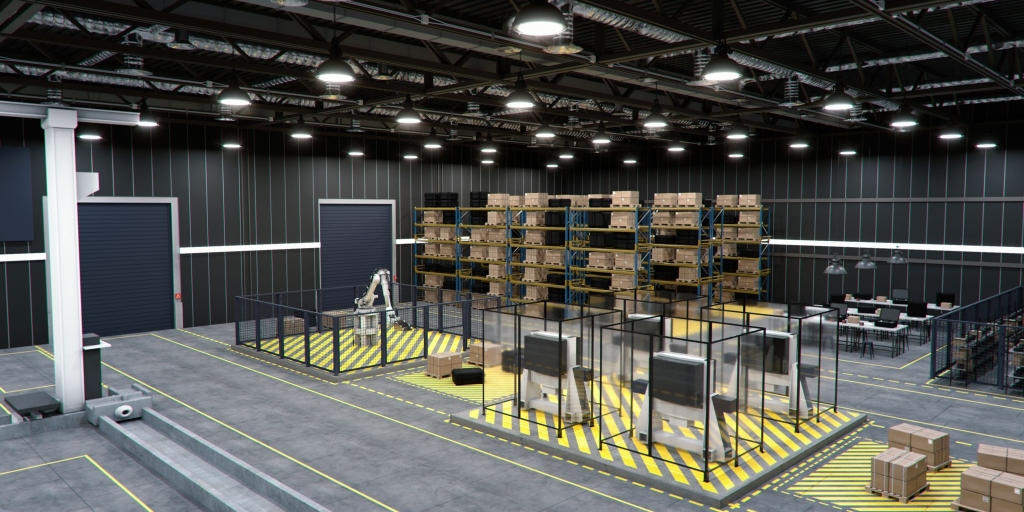
Beyond the interceptor program itself, Lockheed Martin officials highlighted the facility’s advanced manufacturing approach, which incorporates digital engineering, automation, data-driven workflows, and “digital twin” technology intended to improve production efficiency and quality control.
The company said the facility draws from manufacturing practices developed through programs including Terminal High Altitude Area Defense, commonly known as THAAD, and hypersonics work.
“These facilities were intentionally designed around the system they produce,” Jewell said. “By aligning the factory to the product at the onset of development, we can improve quality, increase efficiency, adapt and ramp up production quicker as the system evolves.”
The opening also reflects Lockheed Martin’s continued investment in North Alabama’s defense industry footprint. The company has operated in the region since 1963 and has produced defense systems in Courtland since 1994. Lockheed Martin’s Troy facility will also support NGI production through hardware integration and manufacturing operations.
U.S. Rep. Dale Strong said the project is expected to strengthen both national defense efforts and the regional economy.
“The talent in north Alabama is the engine behind the next generation of our nation’s defense systems, and this project will create high-skill jobs and new career pathways while strengthening our local economy,” Strong said.
Sherri Blevins is a reporter for 256 Today.
Got a tip for OTR? Send your tip to [email protected] with related photo/video, your name, phone number, and e-mail address.