As emerging technologies reshape the nation’s security landscape, The University of Alabama in Huntsville announced it is expanding its Intelligence and Security Studies offerings to prepare the next generation of professionals for careers at the intersection of technology, policy, and national defense.
The university currently offers a 12-hour graduate certificate in Intelligence and Security Studies, while the College of Arts, Humanities & Social Sciences is working toward two proposed master’s degree programs: a Master of Arts in Intelligence and Security Studies and a Master of Science in Space Security and Policy. The programs are designed to draw on expertise from multiple UAH colleges while preparing students for careers in intelligence, defense, government, and industry.
The expansion comes as advances in artificial intelligence, cybersecurity, quantum computing, climate science and space technologies continue to influence U.S. national security, creating demand for professionals who understand both rapidly evolving technologies and the policy decisions surrounding them.
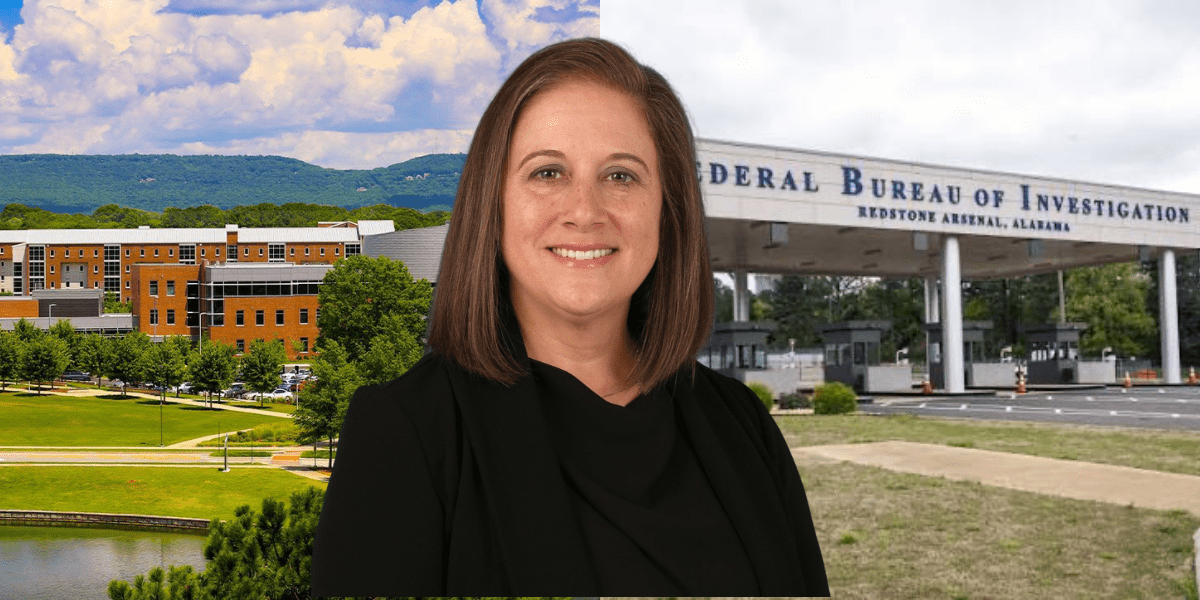
Leading the effort is Ferrell Horn, director of UAH’s Office of Intelligence and Security Studies and a clinical assistant professor in the Department of Sociology. Before joining UAH, Horn spent more than two decades working across the U.S. intelligence community on national security issues.
“Towards the end of my career with the federal government, academia was always something that came to mind when I thought about where my skillset would be useful that would also allow me to continue to make a contribution,” Horn said. “It means a great deal to me to be part of preparing the next generation for this kind of service to the country. It’s incredibly rewarding.”
If approved, the proposed master’s programs would build on the existing graduate certificate by combining coursework in the social sciences with an understanding of the scientific and technological developments shaping modern national security. Students will study topics including intelligence analysis, national security policy and strategic decision-making while gaining insight into emerging technologies that influence U.S. policy and military capabilities.
Horn said Huntsville gives UAH an advantage few universities can match. Home to Redstone Arsenal, NASA, the Army Materiel Command, the Missile Defense Agency, the Space Development Agency, a growing FBI presence, defense contractors and numerous technology companies, the region offers students opportunities to learn alongside professionals working in national security every day.
“The benefit of being here at UAH and in Huntsville is that we are right in the middle of the technology/security/policy nexus,” Horn said. “I have no doubt that there will be interest in the degree programs from potential students, but also from our professional community, because we will be able to prepare students, future members of Huntsville’s workforce, to understand the most critical U.S. national security threats that we face today.”
Horn said the growing relationship between government agencies and private technology companies has increased the need for professionals who can communicate across disciplines and understand both technical innovation and national security strategy. The programs are designed to equip graduates with analytical, writing and critical-thinking skills that translate across careers in government, the military, law enforcement, defense contracting and private industry.
Beyond the classroom, UAH is emphasizing hands-on experience through internships and partnerships with local organizations. Horn said students have already gained experience with the FBI, Redstone Arsenal and the Huntsville Police Department, while others have pursued careers within the intelligence community after graduation.
As the university continues developing its graduate programs, Horn believes the need for professionals who can connect technological advances with national security policy will only continue to grow.
“The future of U.S. national security depends on professionals who understand technology and science, while also understanding the implications these developments have on U.S. national and homeland security,” Horn said.
Sherri Blevins is a reporter for 256 Today.
Got a tip for OTR? Send your tip to [email protected] with related photo/video, your name, phone number, and e-mail address.