Two of the nation’s five federal service academies are in New York. The others are in Maryland, Connecticut and Colorado. As the United States prepares to establish a new federal academy for the first time in more than 70 years, U.S. Rep. Dale Strong is raising a question about where it should call home.
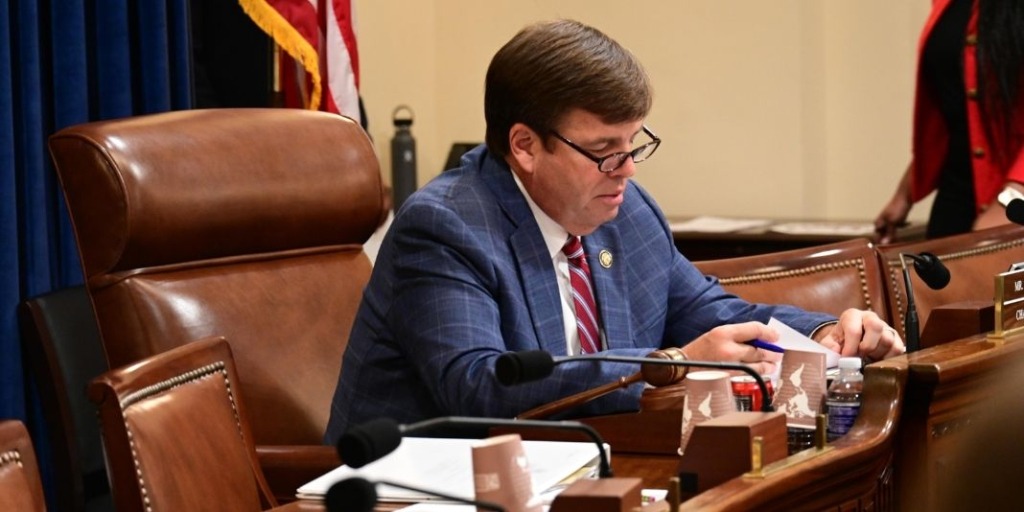
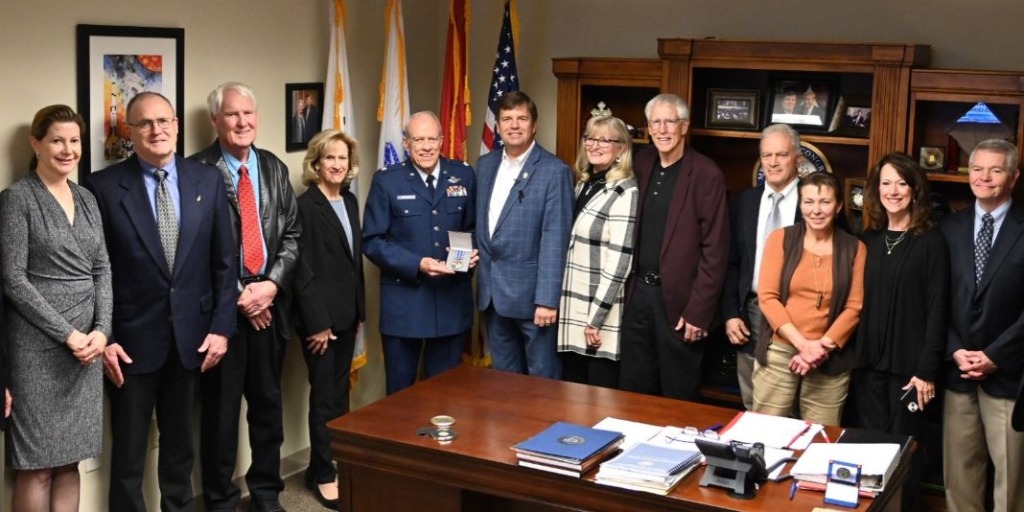
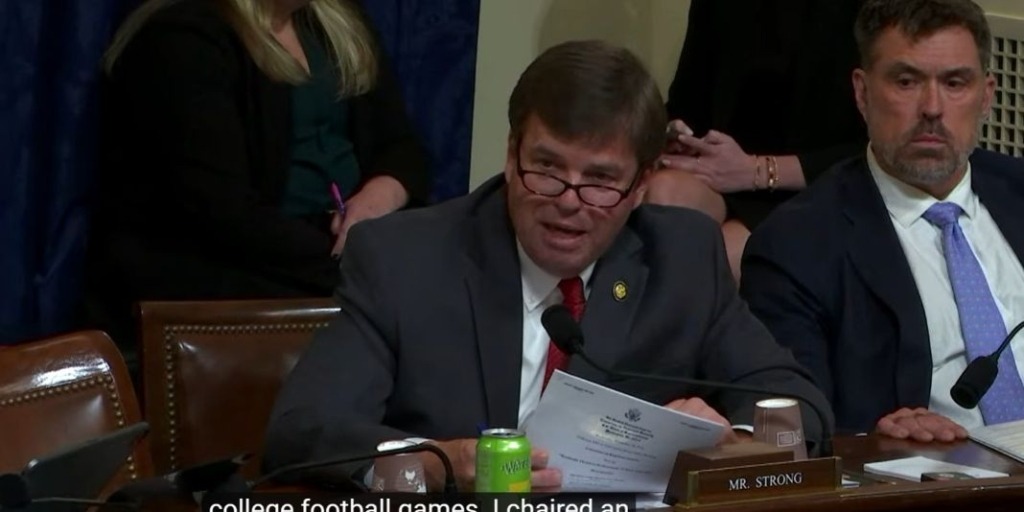
“Why not do one of these academies in the South?” Strong said while speaking with reporters at his Huntsville office Monday. “I think that right there is one of our selling points.”
Alabama is one of 25 states competing to become home to the proposed NASA-led U.S. Space Academy following the Nov. 16 deadline for states to submit proposals. Gov. Kay Ivey formally submitted Alabama’s proposal in October.
A familiar playbook
If the competition sounds a little familiar to folks in North Alabama, there’s good reason.
Strong said many of the same advantages that helped Huntsville secure U.S. Space Command could work in the city’s favor as federal officials consider locations for the academy.
“Most of them already know the capabilities of our community,” Strong said. “It’s the same package in many cases of what we did with Space Command. The cost to construct, the cost to maintain, we’ve got the property available to do it.”
Huntsville is already home to NASA’s Marshall Space Flight Center, Redstone Arsenal and an extensive network of aerospace and defense companies, research institutions and engineering talent.
A little geography and a little history
It’s been more than seven decades since the nation’s last federal service academy was established. The first dates back to the presidency of Thomas Jefferson.
Here’s a look at where the five academies call home and when they were established:
- U.S. Military Academy, West Point, N.Y., 1802.
- U.S. Naval Academy, Annapolis, Md., 1845.
- U.S. Coast Guard Academy, New London, Conn., 1876.
- U.S. Merchant Marine Academy, Kings Point, N.Y., 1943.
- U.S. Air Force Academy, Colorado Springs, Colo., 1954.
None are located in the Deep South.
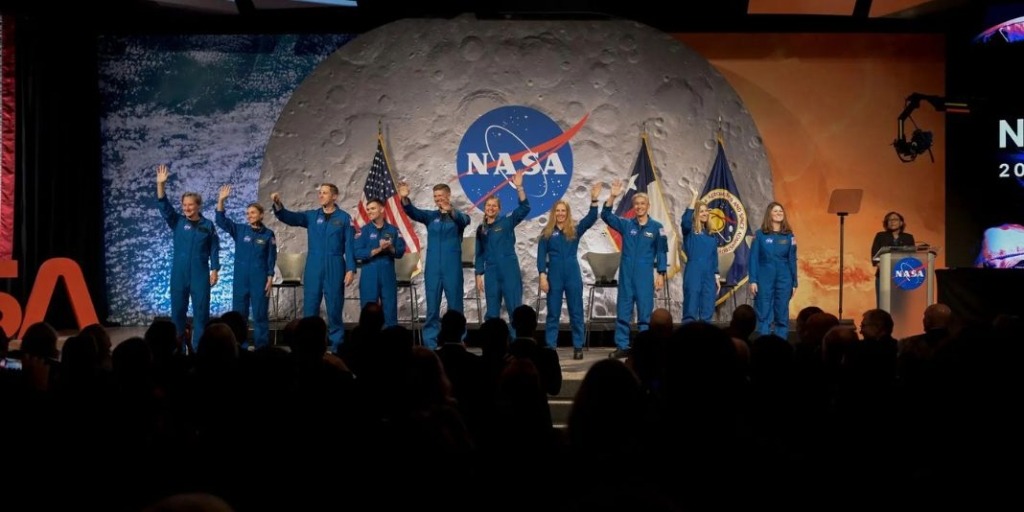
The proposed Space Academy would also be a little different from its predecessors. While students would have opportunities to pursue military service, the NASA-led academy would primarily prepare graduates for civilian careers in federal space agencies.
President Donald Trump signed an executive order in August establishing a commission to develop plans for the academy, with NASA Administrator Jared Isaacman serving as chairman.
And Alabama is already on Isaacman’s radar.
In an exclusive interview with 256 Today in October, Isaacman confirmed the state was receiving serious consideration.
“I’m quite sure that Alabama is one of the strong contenders right now,” Isaacman said.
The countdown is on
With the states’ proposals now in, the next milestone on the calendar comes the day after Christmas.
The Presidential Commission on the United States Space Academy is expected to submit its recommendations to Trump by Dec. 26, including a proposed process for selecting the academy’s permanent location.
NASA’s proposed timeline calls for groundbreaking no later than 2027, welcoming an inaugural class of approximately 300 students in temporary facilities in 2028 and opening a permanent campus by 2031.
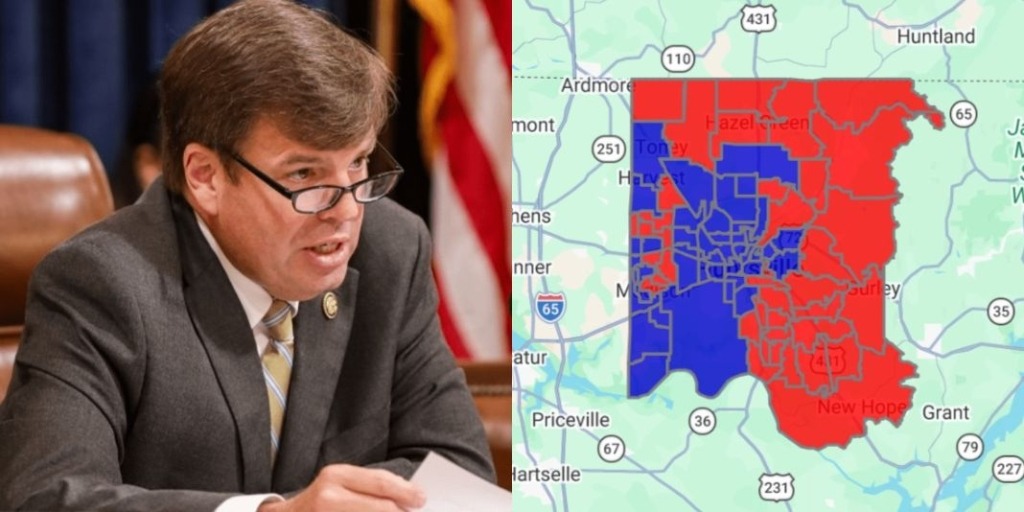
Strong has been championing North Alabama as the academy’s future home since shortly after its announcement. In September, just weeks after Trump unveiled plans for the academy, Strong spearheaded a letter from Alabama’s Republican congressional delegation to the presidential commission outlining the region’s qualifications.
For Huntsville, the opportunity to educate America’s next generation of space leaders would build on a legacy that spans decades.
From “y’all” to “all systems go,” the Rocket City has long been a place where Southern roots meet space-age ambition.