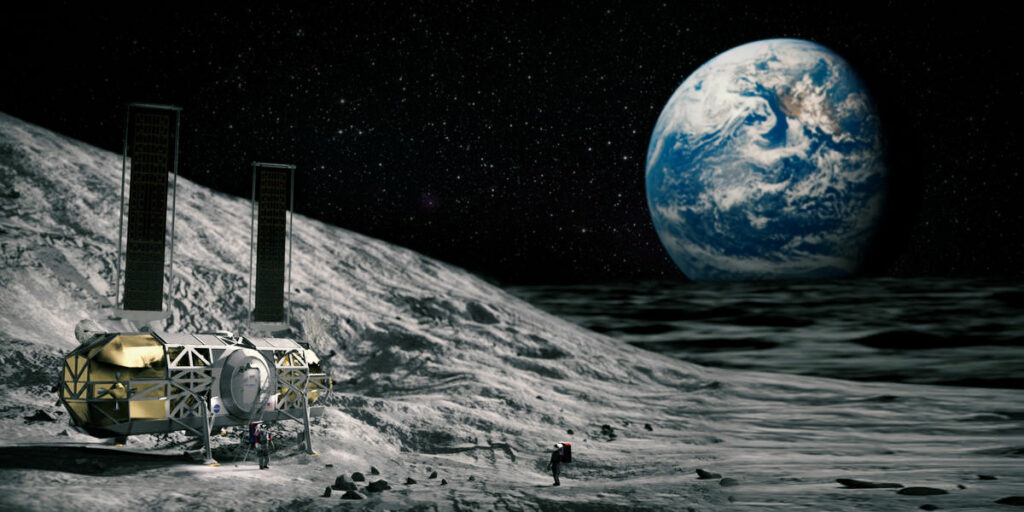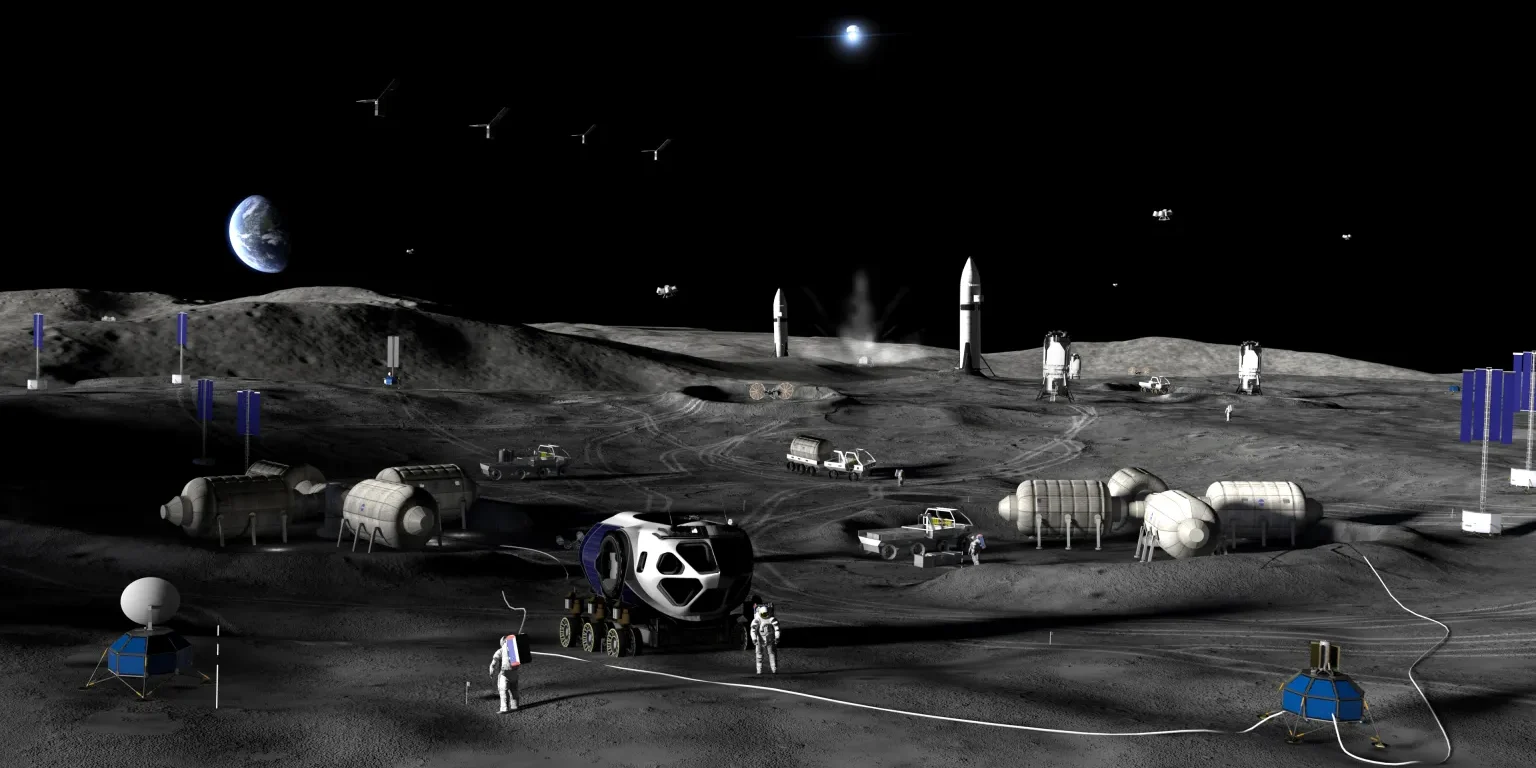
NASA on Tuesday unveiled major new details about its ambitious Moon Base initiative, outlining a series of robotic missions, lunar rovers and cargo landers that will help establish a sustained human presence on the Moon, with Huntsville and Blue Origin expected to play central roles in the effort.
During a Moon Base event at NASA Headquarters in Washington, NASA Administrator Jared Isaacman announced the agency’s first wave of lunar infrastructure missions, including contracts for new lunar terrain vehicles and cargo delivery systems aimed at supporting future Artemis astronaut landings near the Moon’s south pole.
“The Moon Base will be America’s and humanity’s first outpost on another celestial world,” Isaacman said in a statement released by NASA. “Every mission, crewed and uncrewed, will be a learning opportunity as we return to the lunar surface, build the infrastructure to stay, and master the skills required to live and operate in one of the most demanding and dangerous environments imaginable.”
The announcement marks a significant expansion of NASA’s long-term lunar strategy as the agency moves beyond short-duration Moon visits toward permanent infrastructure and extended operations on the lunar surface.
For Huntsville, the plans further cement the regions’s growing role at the center of America’s return to deep space exploration.
NASA Marshall Space Flight Center is expected to remain one of the agency’s primary hubs for the Moon Base initiative, particularly through its leadership of NASA’s Human Landing System program.
Marshall manages major contracts tied to lunar landers and surface systems, including oversight of Blue Origin’s Blue Moon vehicles and other Artemis-era landing technologies.
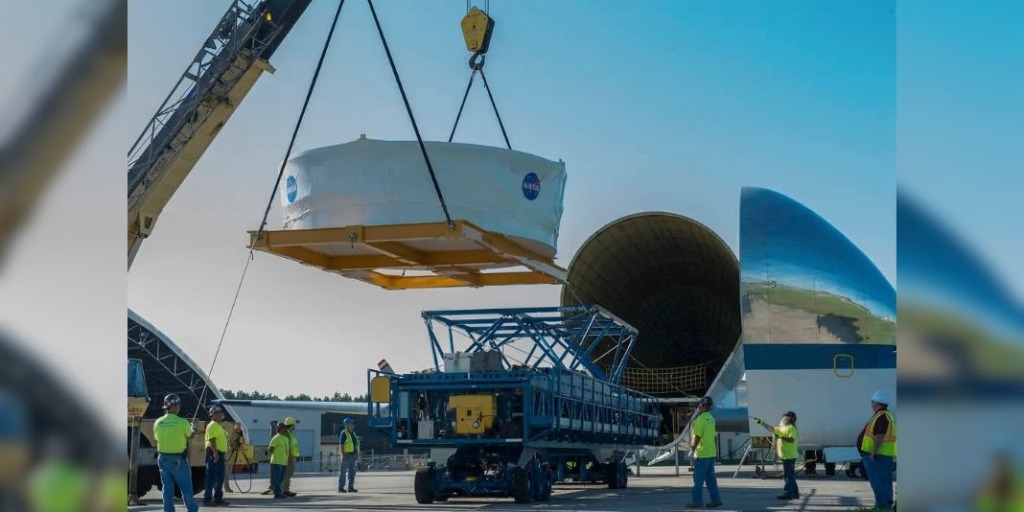
The Huntsville center also operates specialized engineering and mission support facilities designed to monitor lunar landing systems, payload integration and surface operations. Marshall engineers are additionally involved in fabrication and systems integration work supporting upcoming Artemis missions.
The Moon Base program aligns closely with Marshall’s existing role overseeing propulsion systems, lunar landers and deep-space habitation technologies tied to NASA’s Artemis architecture.
Blue Origin also emerged as one of the biggest winners in NASA’s latest Moon Base announcement.
NASA awarded Blue Origin $188 million for lunar cargo delivery task orders, with options that could raise the value to more than $468 million. The contracts include transporting lunar terrain vehicles and infrastructure equipment to the Moon’s south pole using the company’s Blue Moon Mark 1 Endurance lander.
The first Moon Base mission, targeted for launch no earlier than fall 2026, will use the Blue Moon lander to deliver NASA science payloads to the Shackleton Connecting Ridge region of the lunar south pole.
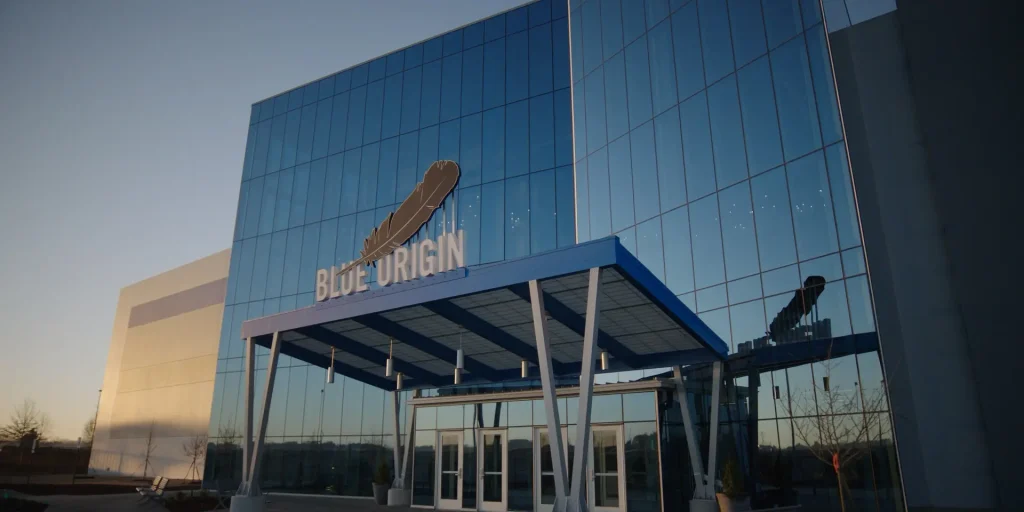
Blue Origin’s Huntsville operations are expected to play a direct role in those missions.
The company manufactures BE-7 engines and precision thrusters for lunar vehicles at facilities in Huntsville and conducts hot-fire engine testing at historic Test Stand 4670 on Redstone Arsenal.
Earlier this year, Blue Origin announced another expansion of its Huntsville operations, adding more than 100 jobs tied largely to thruster production and propulsion systems supporting future lunar and deep-space missions.
The company now employs more than 1,600 people in Alabama, far exceeding its original hiring projections when it first launched Huntsville operations in 2019.
NASA also announced contracts for two lunar terrain vehicles that astronauts and robotic systems will eventually use on the Moon.
The agency awarded approximately $220 million each to Astrolab and Lunar Outpost to build competing lunar rover systems capable of autonomous and crewed operations.
Blue Origin will help transport those rovers to the lunar surface.
NASA officials said the rovers are expected to support terrain analysis, cargo movement, scientific research and infrastructure preparation ahead of future astronaut missions.
In addition to the rover program, NASA outlined several robotic precursor missions planned over the next two years, including cargo deliveries from Astrobotic and Intuitive Machines.
The agency also unveiled “MoonFall,” a planned 2028 mission that would send four hopping drones to scout future Artemis landing sites near the lunar south pole.
NASA officials emphasized that the Moon Base initiative represents more than a return to the lunar surface.
Instead, the agency views the effort as a critical stepping stone toward eventual human missions to Mars.
The Moon Base program is designed to help NASA develop long-duration habitation systems, surface operations capabilities, autonomous robotics and deep-space logistics needed for future interplanetary missions.
NASA said additional Moon Base missions and contracts are expected to be announced later this year as the agency continues expanding its commercial partnerships and lunar exploration infrastructure.
For Huntsville and Alabama’s aerospace sector, the announcement further reinforces the region’s growing importance within NASA’s Artemis program and the broader future of American space exploration.