As NASA looks toward returning astronauts to the moon and eventually sending humans to Mars, Jared Isaacman says Huntsville and NASA Marshall Space Flight Center remain central to the future of American space exploration.
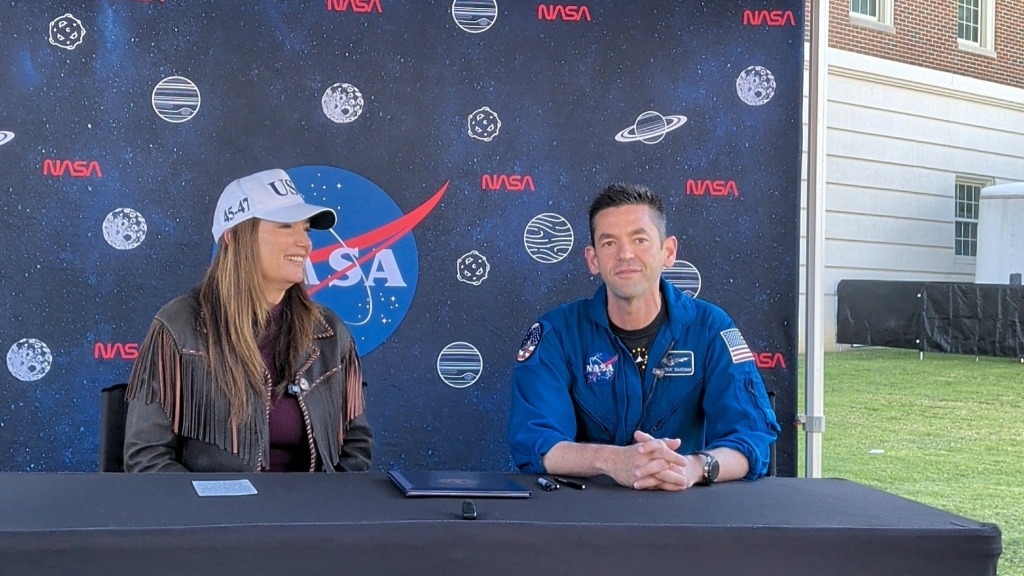
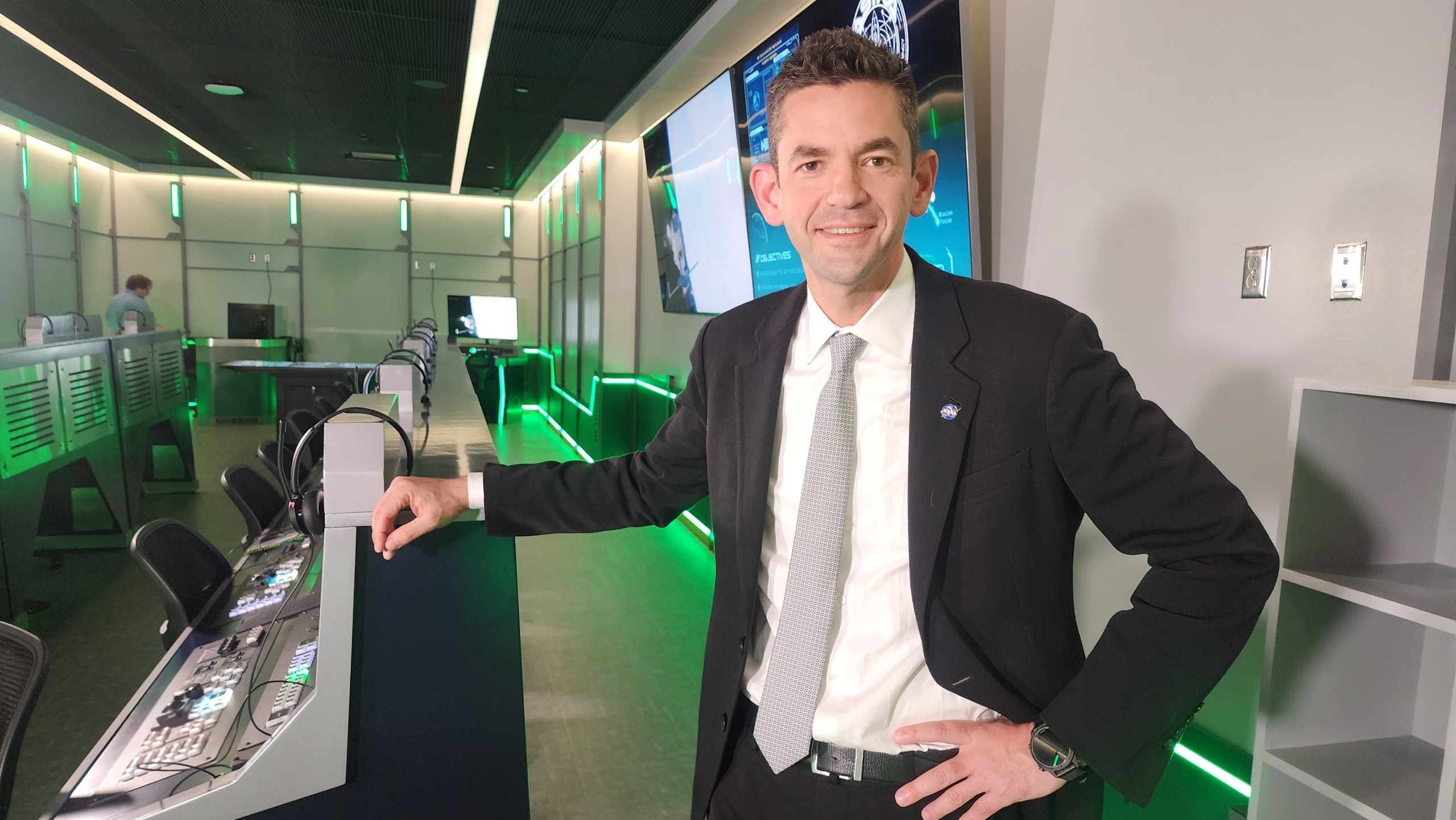
Isaacman spoke with 256 Today about Marshall’s growing role in next-generation propulsion, lunar missions and the technologies expected to shape the next era of spaceflight during his visit to open the new Inspiration4 Skills Training Complex at Space Camp on Friday.
Isaacman, who now leads NASA after becoming widely known through private spaceflight missions including Inspiration4 and Polaris Dawn, said Marshall’s legacy remains deeply connected to the nation’s next chapter in space exploration.
“All roads have led through Marshall Space Flight Center, and there’s no doubt about that,” Isaacman told 256 Today exclusively.
He pointed to Marshall’s ongoing role in the Artemis program, including work tied to the rockets expected to return American astronauts to the moon, as well as payload operations managed through the International Space Station.
But Isaacman said the work that excites him most is what comes next.
“I’m always encouraged, like ask us constantly what comes next, right?” Isaacman said. “From the landing craft of World War II to the Saturn rockets of the Apollo era to the shuttle to SLS, it’s like what comes next?”
For Isaacman, much of that future centers on advanced propulsion technologies already being developed in Huntsville.
“A lot of what is going to come next is nuclear power propulsion, and that work is overseen here,” he said. “You think of nuclear thermal propulsion, the advanced propulsion center we have at Marshall Space Flight. That’s what gets me excited because those are the capabilities that are going to someday take astronauts to Mars, allow us to explore the outer solar system and whatever breakthroughs enable us to really send kind of your first interstellar type vehicles.”
“I have a feeling the work is going to be done here as well,” he added.
Isaacman also said the recent success of Artemis II helped inspire a new generation of interest in space exploration, particularly among young people.
“There’s no question,” he said.
Isaacman recalled concerns before the mission that modern audiences might not fully engage with a lunar mission in the same way previous generations did during Apollo.
“There was only three television channels in the 1960s,” Isaacman said. “There’s a lot going on in the world today.”
But he said he knew the public response changed once the mission launched.
“When the solid rocket boosters ignite and those four astronauts start their journey, the world is going to pause and take notice,” he said. “And they absolutely did.”
Isaacman said he believes Artemis missions, Space Camp and growing public excitement around exploration are already influencing children who may become the next generation of scientists, engineers and astronauts.
“I do think there is a lot of kids right now that are going to dress up as astronauts for Halloween,” Isaacman said. “There’s going to be more campers that are going to want to come to Space Camp and that’s more future pioneers and astronauts.”
During the interview, Isaacman also highlighted Marshall’s role managing elements of NASA’s Human Landing System program, which works with commercial partners including SpaceX and Blue Origin.
He said Marshall engineers are providing specialized expertise tailored to the unique technical challenges facing each company.
“On the Blue Origin lander where we are providing expertise could be on ECLSS interfaces for our space suits,” Isaacman said. “Which is going to be very different than what they’re doing here at Marshall to help SpaceX on cryogenic prop transfer on orbit.”
He described orbital cryogenic fuel transfer as a technology critical not only to lunar missions, but also to the broader future of commercial spaceflight.
“That kind of expertise is being powered here or at least being contributed to from Marshall Space Flight Center,” he said.
Isaacman, who became the first commercial astronaut to perform a private spacewalk during the Polaris Dawn mission, said his own time in space has shaped the way he approaches leading NASA.
“I certainly understand the risk that we are putting our astronauts into,” he said. “But more importantly, everything that happens here on the ground that goes into that mission.”
He added that while astronauts may become the public face of spaceflight, those missions depend on thousands of workers across NASA centers and partner facilities, including Huntsville.
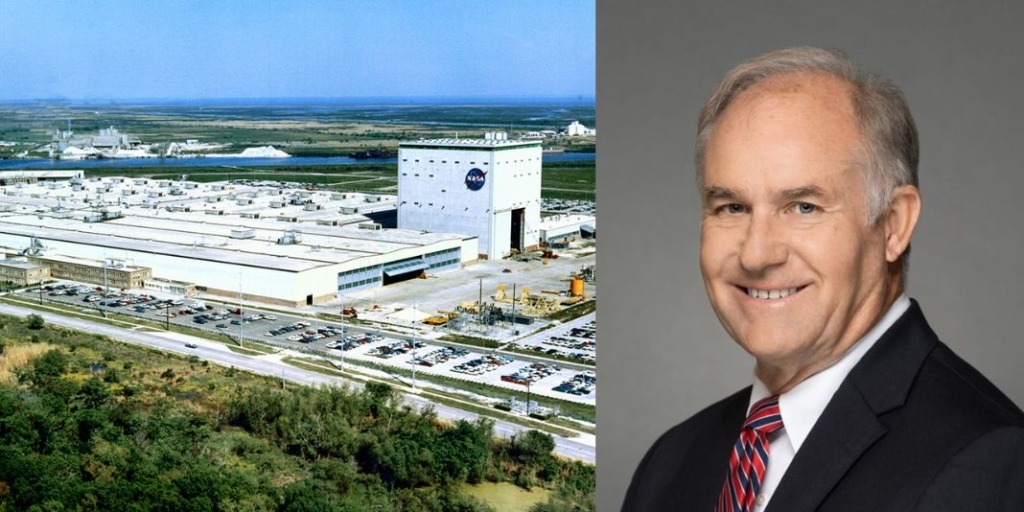
“You have four very lucky individuals that get the view of a lifetime,” Isaacman said. “But it’s literally the tens of thousands of people from Marshall, Kennedy Space Center, Michoud to build the rockets, Stennis to test them, understanding what that takes to come together to do the near impossible.”