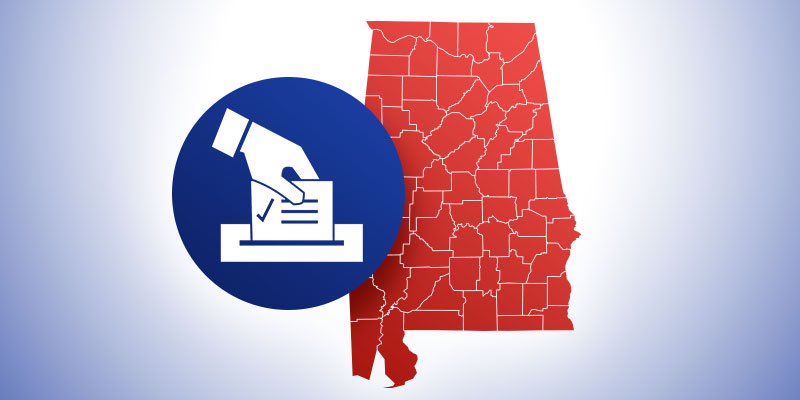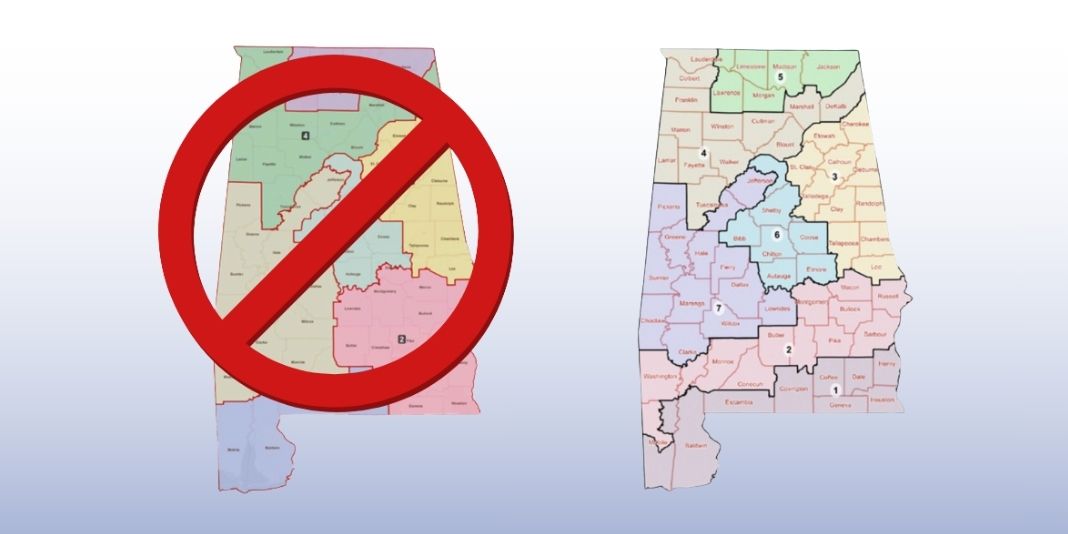
A federal three-judge panel has once again blocked Alabama from using its 2023 congressional map, setting up another expected showdown before the U.S. Supreme Court as state leaders push to restore the Legislature’s preferred district lines ahead of Alabama’s 2026 elections.
The ruling, issued Tuesday in the long-running Allen v. Milligan litigation, prevents Alabama from reverting to the Republican-backed 2023 map and keeps in place the court-drawn congressional map currently being used unless the Supreme Court intervenes again.
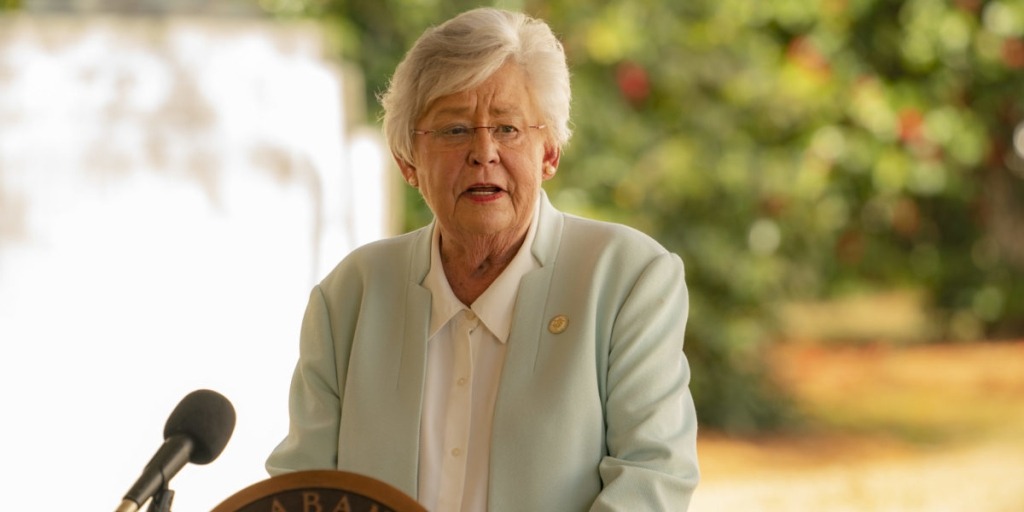
Governor Kay Ivey immediately backed an appeal, calling the ruling “unsurprising” and defending Alabama’s authority to draw its own districts.
“Alabama’s redistricting battle continues after federal judges temporarily blocked use of our 2023 congressional map,” Ivey said in a statement. “I fully support Attorney General Marshall appealing this unsurprising decision to the U.S. Supreme Court, and I remain hopeful they will allow Alabama to move forward with our August 11 Special Primary Election. I will continue to say: Alabama knows our state, our people and our districts best.”
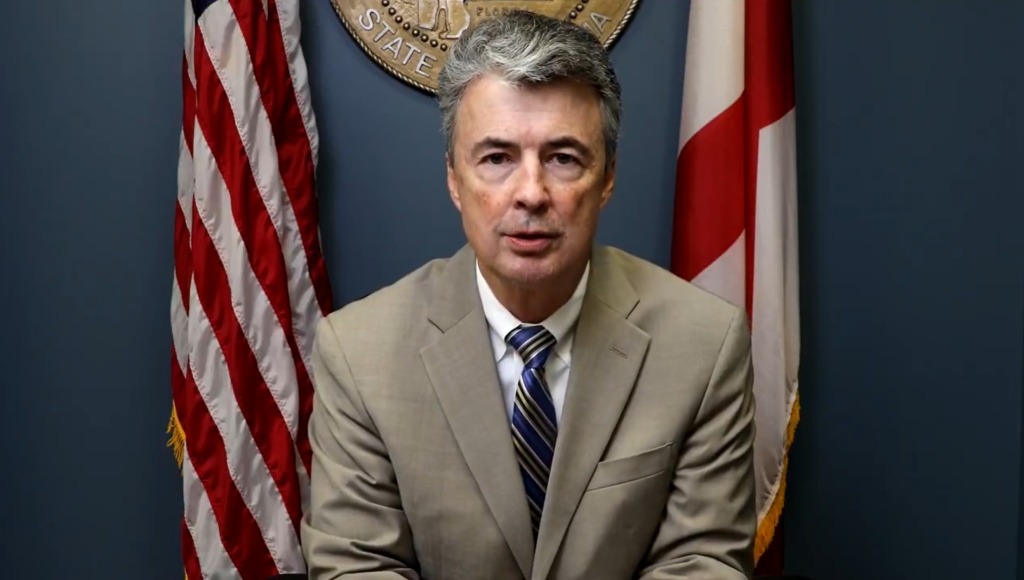
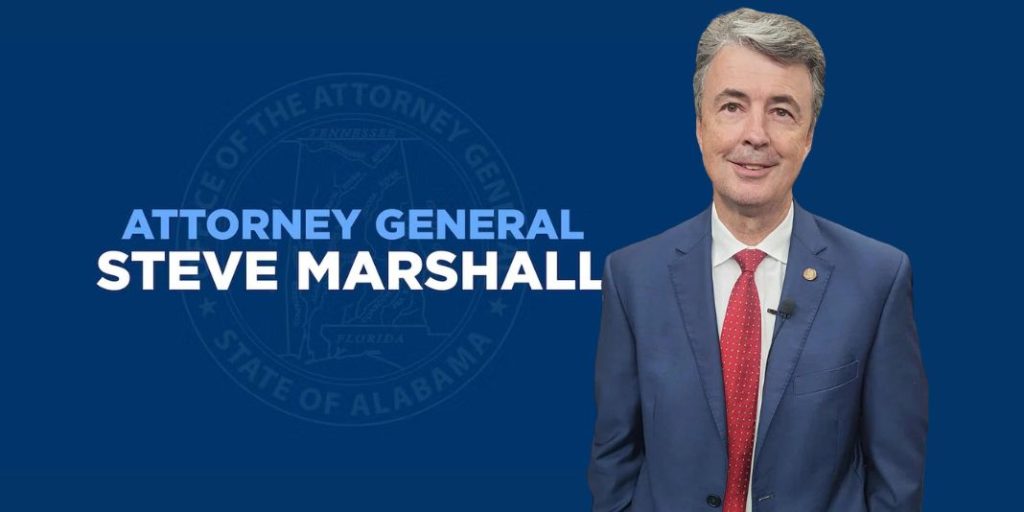
Attorney General Steve Marshall also vowed an immediate appeal, arguing the lower court misapplied the Supreme Court’s recent ruling in Louisiana v. Callais, which raised the legal threshold for proving race improperly drove redistricting decisions.
“I am disappointed, but not at all surprised, that the three-judge panel has again struck down Alabama’s blandly unobjectionable congressional map that has been in place for decades,” Marshall said. “I find nothing in the U.S. Supreme Court’s vacatur order of May 11 that would provide a basis for this outcome; thus, we will immediately appeal this decision to the Supreme Court.”
Marshall added, “In my mind, it is not a matter of whether we win this case, only when.”
Meanwhile, U.S. Rep. Terri Sewell praised the ruling as a victory for minority voting rights.
“This decision is a victory for fair representation and a powerful rebuke of Alabama’s continued efforts to silence Black voters,” Sewell said. “Once again, a federal court confirmed what we have said all along: Alabama’s 2023 congressional map was intentionally designed to discriminate against Black voters and dilute our political power.”
The court’s latest order follows a rapid series of developments that intensified Alabama’s redistricting battle earlier this month.
After the Supreme Court vacated previous lower court injunctions tied to Alabama’s map in light of the Callais decision, Alabama lawmakers quickly convened a special legislative session and approved contingency plans for special congressional primaries scheduled for Aug. 11.
State leaders had hoped the Supreme Court’s action would allow Alabama to return to the Legislature’s 2023 congressional map, which would likely restore a Republican advantage across six of the seven congressional districts.
However, the three-judge panel overseeing the case said Tuesday it still found Alabama’s 2023 map intentionally discriminated against Black voters.
“Ultimately, we cannot see our way clear to requiring Alabamians to cast their votes in the 2026 elections under a districting plan tainted by intentional race-based discrimination,” the judges wrote.
The panel also said continuing to use the court-drawn map would create minimal disruption because candidates and election systems had already been operating under those district lines until recently.
The ruling means Alabama’s court-ordered 5-2 congressional map is expected to remain in place for now, including the district that helped elect Sewell and created a second majority-Black opportunity district in south Alabama.
Despite the legal and political turbulence surrounding the case, North Alabama’s congressional districts remain largely unaffected under either map.
Much of North Alabama saw minimal changes during previous redraws, and the latest court ruling is not expected to significantly alter representation across the region.
U.S. Rep. Dale Strong (R-Huntsville) continues to represent Alabama’s 5th Congressional District covering Huntsville and much of North Alabama, while U.S. Rep. Robert Aderholt (R-Haleyville) remains in the 4th Congressional District. Cherokee and Etowah counties also continue to remain within U.S. Rep. Mike Rogers’ (R-Saks) 3rd Congressional District.
The most significant political consequences of the redistricting battle continues to center on south and central Alabama, where district boundaries have been repeatedly contested in federal court over allegations of racial vote dilution.
The legal fight now appears headed back to the U.S. Supreme Court once again, with Alabama officials seeking emergency intervention before special primary elections move forward later this summer.