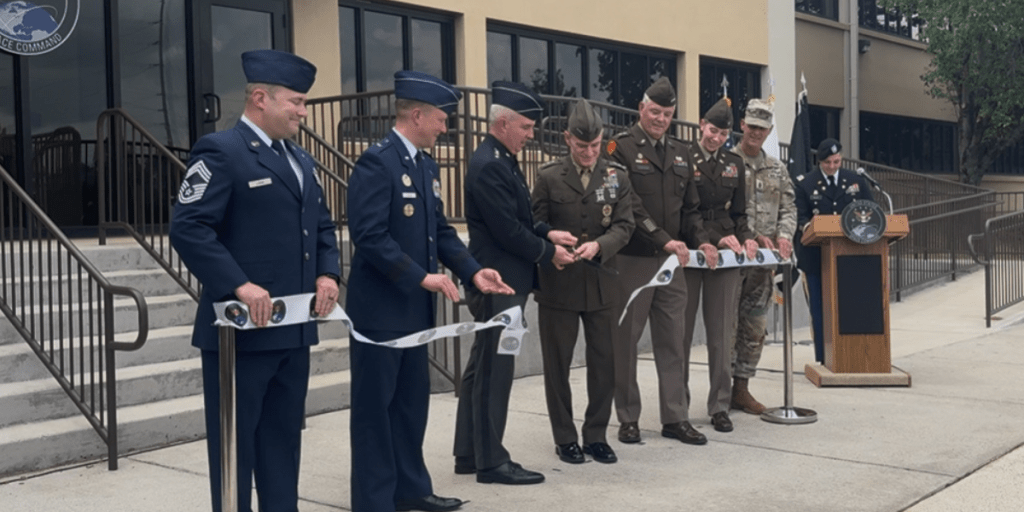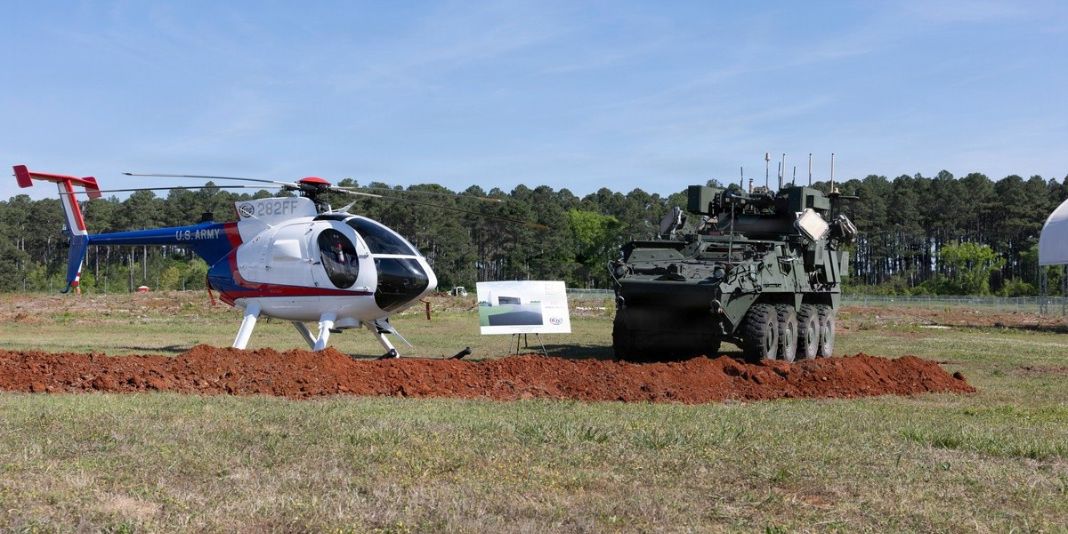
A long-anticipated defense project moved a step closer to reality this month as the U.S. Army Redstone Test Center formally broke ground on a new state-of-the-art testing facility designed to strengthen military readiness and support next-generation aviation systems.
Officials gathered April 14 for the ceremony marking the start of construction on the Military Systems Electromagnetic Test Support facility, known as MSETS. The project, more than 25 years in development, is expected to be completed in 2028.
The event was attended by leaders from across Redstone Arsenal and the defense industry, as well as Rep. Dale Strong (R-Huntsville) from Alabama’s 5th Congressional District.
“The Redstone Test Center is one of the most innovative test organizations in the Army and the MSETS facility will provide our warfighters with the cutting-edge environment they need to test advanced weapons systems and electronic warfare capabilities and operate in GPS-denied scenarios,” said Strong. “This is a major win for North Alabama and our national security, keeping America ahead of emerging threats and ensuring our troops have the best tools in the world.”
Once finished, the 28,000-square-foot facility will house the Army’s largest radio-frequency anechoic chamber, a highly specialized environment designed to eliminate electromagnetic interference and enable precise testing of complex systems.
Army officials said in a release the facility will play a critical role in evaluating how military platforms perform in contested electromagnetic environments, including GPS-denied scenarios and electronic warfare conditions.
“MSETS is a game-changer,” said James Amato, executive technical director of the U.S. Army Test and Evaluation Command. “It provides a critical capability that we currently lack at Redstone — the ability to test for electromagnetic effects on our largest and most complex aviation platforms, right here where they are developed and sustained.”
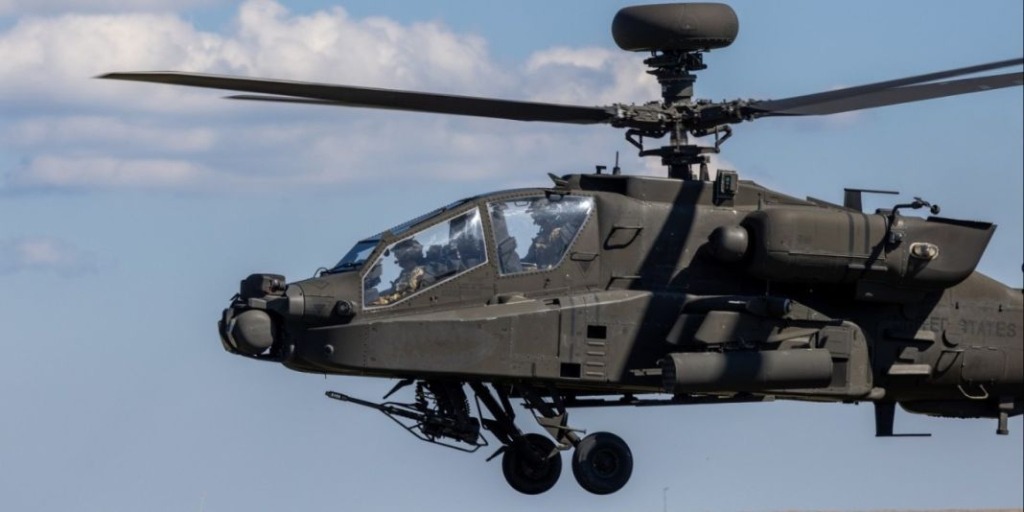
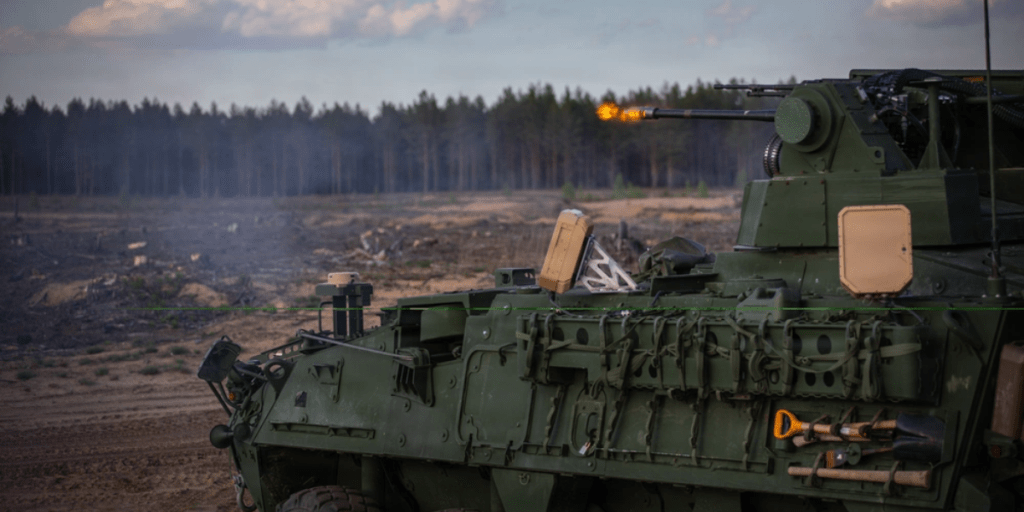
The chamber will be capable of supporting testing for all Army rotary-wing aircraft, including the future MV-75, a next-generation aircraft currently in development. It will also support evaluations for ground vehicle systems and other integrated military technologies.
Col. Joseph Alexander, commander of the Redstone Test Center, said the project represents a major investment in the future of Army readiness.
“Today, we do more than just break ground. We establish the foundation for the future of Army readiness,” Alexander said. “The work we begin here will ensure the American warfighter has the best tested, most lethal and reliable weapon systems.”
The MSETS facility will include a large chamber measuring approximately 120 by 105 feet and designed to achieve a 100-decibel quiet radio-frequency environment. Capabilities will include antenna characterization, electromagnetic compatibility testing, noise-floor analysis and advanced cyber and electronic warfare simulations.
Officials said the facility could also support distributed live, virtual and constructive testing environments, expanding Redstone’s role in integrated system evaluations.
The Redstone Test Center, a subordinate command of ATEC, provides testing and evaluation for missile and aviation systems, sensors and subsystems. Leaders said the new facility will enhance those capabilities while reinforcing North Alabama’s role as a hub for defense innovation and advanced testing.