The Tennessee Valley Authority is rethinking how it will power one of the nation’s fastest-growing regions after concluding electricity demand is rising faster than expected.
In its Preliminary Final 2026 Integrated Resource Plan released this week, TVA says growth from data centers, advanced manufacturing, population increases and changing federal policies has prompted the utility to update the assumptions it used just last year to plan for the next two decades.
The result is a strategy that places greater emphasis on natural gas, battery storage and future nuclear power while reducing expectations for wind energy and allowing for the continued operation of some existing coal units where TVA determines they remain cost-effective and necessary for system reliability.
The long-range plan is not a construction schedule. Instead, it serves as TVA’s roadmap for how the federally owned utility could meet electricity needs through 2040 while balancing affordability, reliability and environmental goals. TVA supplies electricity to more than 10 million people through 153 local power companies across seven Southeastern states, including North Alabama.
Unlike last year’s draft plan, TVA significantly simplified its planning process. The 2025 proposal evaluated six future scenarios, five planning strategies and 30 possible resource portfolios. The new proposal narrows that to three scenarios, three strategies and nine portfolios after updating its forecasts and assumptions.
TVA projects electricity demand could grow by about 16% by 2040 under its baseline forecast. Under a high-growth scenario driven by continued economic development, demand could increase by as much as 60%.
The utility says much of that growth is expected to come from large industrial customers, expanding manufacturing, new data centers, and continued population growth across its seven-state service area.
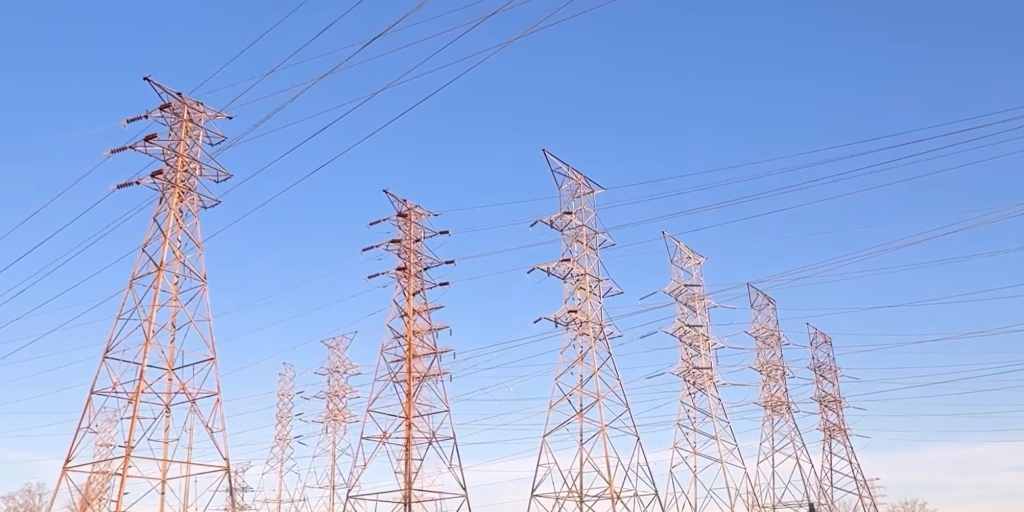
To meet that demand, TVA says it may need between 4 and 13 gigawatts of new combined-cycle natural gas generation by 2040, along with another 3 to 13 gigawatts of combustion turbine capacity designed to provide electricity during periods of peak demand.
The proposal also recommends continued expansion of battery storage and continued development of solar power where it makes economic sense. TVA also identifies advanced nuclear technologies, including small modular reactors, as part of its long-term resource strategy.
The 2025 proposal included adding up to 4 gigawatts of wind generation as part of a more diverse energy portfolio. The updated plan no longer sets a specific wind target and recommends pausing additional wind development, saying wind currently presents “cost and portfolio fit challenges.” Imported wind power delivered through high-voltage transmission lines also is no longer included as a planning option except in limited high-growth situations.
While TVA continues to expect much of its coal fleet to reach the end of its operating life by about 2040, the utility says continuing to operate some existing coal-fired units longer could help reduce costs and maintain reliability as new generating resources are added.
Compared with the previous draft, the new proposal places greater emphasis on firm generating resources that can produce electricity whenever they are needed. TVA says natural gas, nuclear energy, and battery storage will play an important role alongside renewable resources as electricity demand continues to grow.
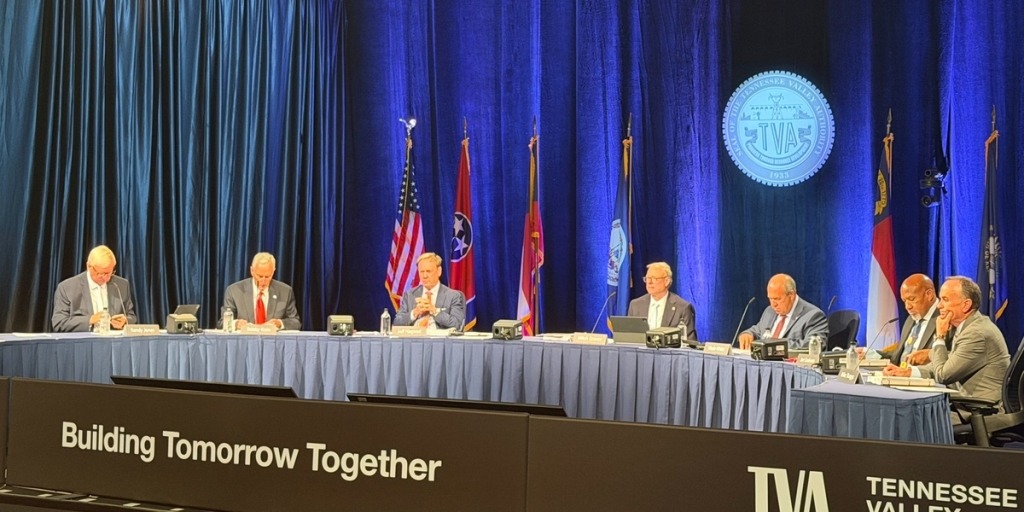
The proposal is available for public review through July 22. TVA also plans to host a public webinar on July 2 before presenting the final Integrated Resource Plan and Environmental Impact Statement to the TVA Board of Directors for consideration during its August meeting.
Sherri Blevins is a reporter for 256 Today.
Got a tip for OTR? Send your tip to [email protected] with related photo/video, your name, phone number, and e-mail address.