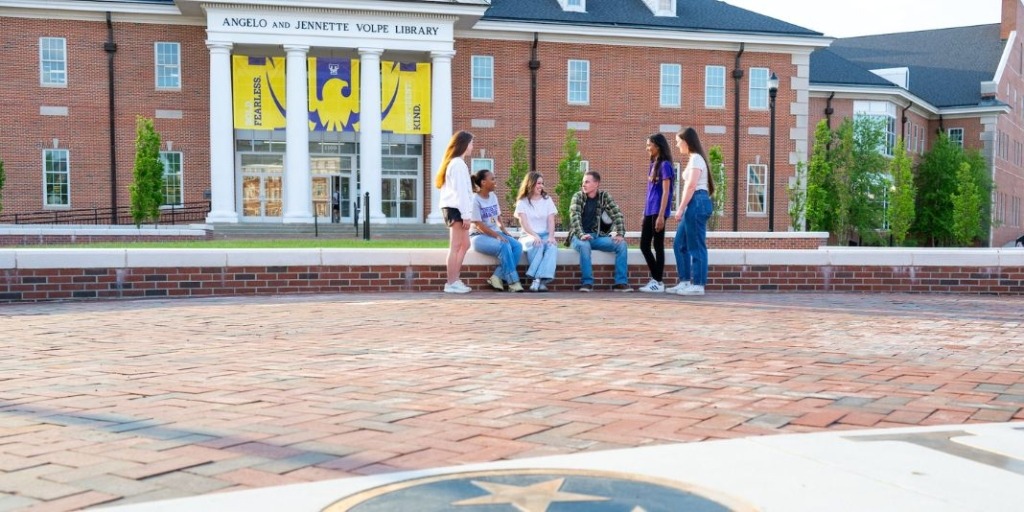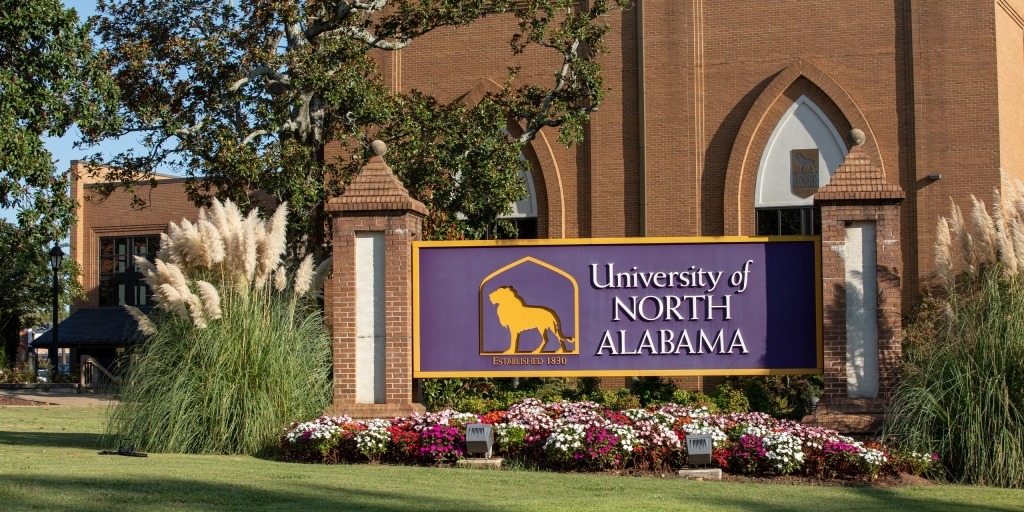
When Dr. Kenneth D. Kitts arrived at the University of North Alabama in 2015, UNA enrolled fewer than 7,000 students. Today, the university is approaching 11,000.
At a moment when many colleges across the country are facing shrinking enrollment and financial uncertainty, and when institutions like Birmingham-Southern College have closed entirely, UNA has emerged as an outlier.
“We’ve probably had as much sustained growth over that period as any university in Alabama,” Kitts said.
That growth, he explained, did not happen by accident. It started with listening. As state leaders began pushing universities toward workforce development, UNA moved early to answer the call.
“We got ahead of the problem early,” Kitts said. “We decided it would be in our best interest to diversify our enrollment efforts.”
Rather than depending entirely on incoming freshmen classes, UNA invested heavily in graduate education and workforce-oriented academic programs. Nearly 20 percent of UNA students are now graduate students, a number Kitts described as “really unusual for a regional campus.”
Programs in engineering, computer science, business, and healthcare expanded rapidly as the university listened to the needs of Alabama employers and the booming industries surrounding nearby Huntsville.
“Every new academic program that we’ve added over the last 10 years has been on the workforce development side,” he said. “We’re responding very well to the needs there.”
Still, the story of UNA is not just one of enrollment charts and construction projects. Kitts believes much of the university’s success comes from something harder to quantify: identity.
“I love our size,” he said. “We’re big enough that students can have Division I athletics, Greek life, study abroad, all of those opportunities. But it’s not overwhelming.”
That balance between growth and tradition appears central to UNA’s philosophy. Kitts repeatedly emphasized that the university does not want students to feel anonymous.
“Our commitment here has always been to produce a highly personalized educational experience in a remarkable environment,” he said. “I want our students to always be a name and not a number.”
That sense of tradition can be felt across campus.
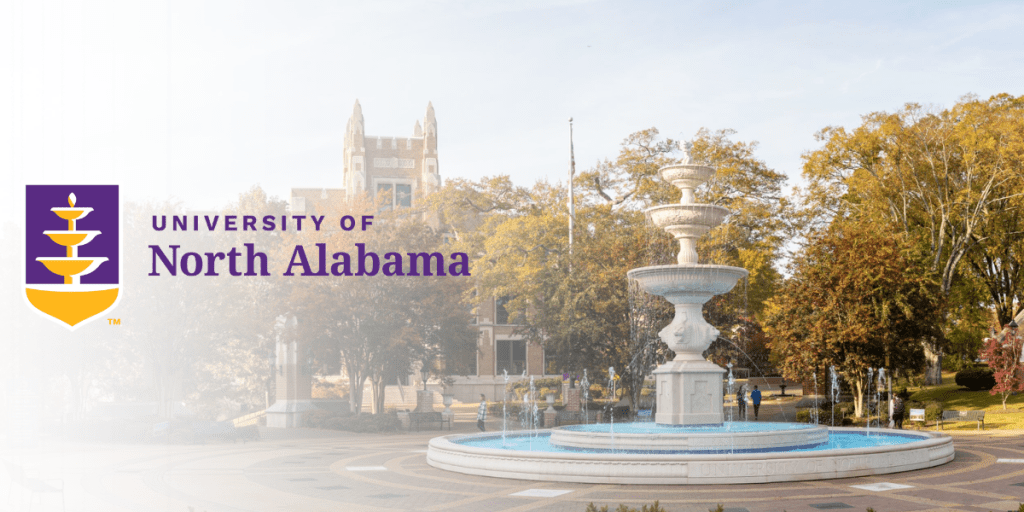
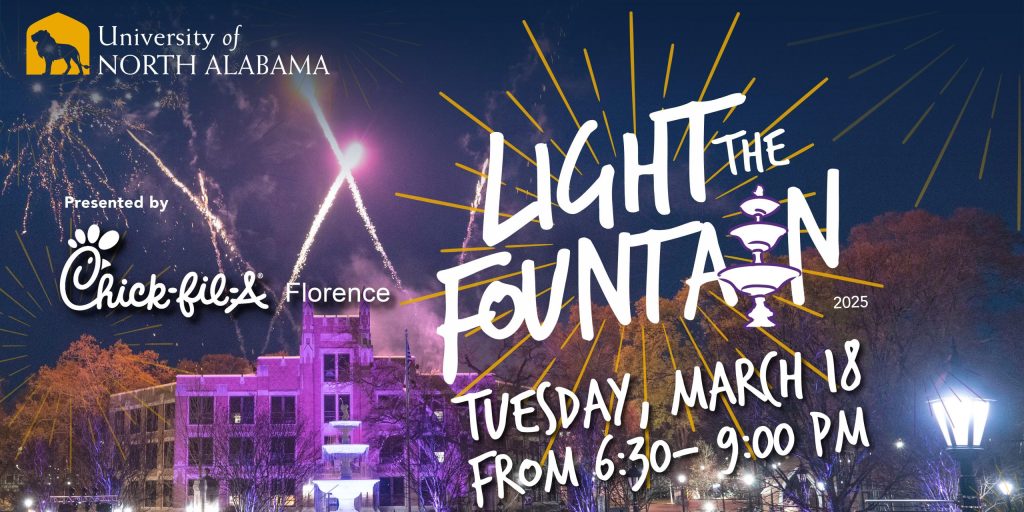
UNA, which traces its roots back nearly 200 years, embraces its rituals and continues to reinvent them. One of the most recognizable is Light the Fountain, an event Kitts helped create shortly after arriving in Florence.
What started as a small gathering around the campus fountain has grown into one of the university’s signature traditions, recently complete with live music, fireworks, food trucks, drone shows, and thousands of students packed into the center of campus.
“We want it to be more than just 120 credit hours and a graduation,” Kitts said. “We want it to be experiences and memories.”
At the same time, cranes and construction sites across campus point toward UNA’s future. The university’s new on-campus football stadium opens this fall as UNA continues its transition to Division I.
But even with all the growth, Kitts insists the university is trying carefully not to lose what makes it special.
“It’s beautiful, and it’s historic, and it’s safe,” he said. “You just have to tell your story and give people a reason to come here.”