Researchers at the University of Alabama in Huntsville are helping NASA explore a technology that could dramatically reduce travel times for future missions to Mars and beyond.
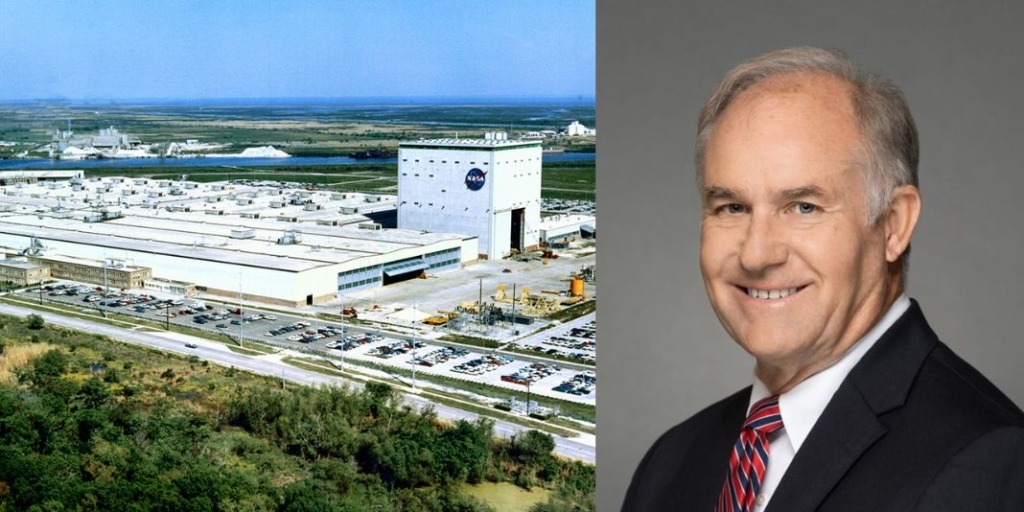
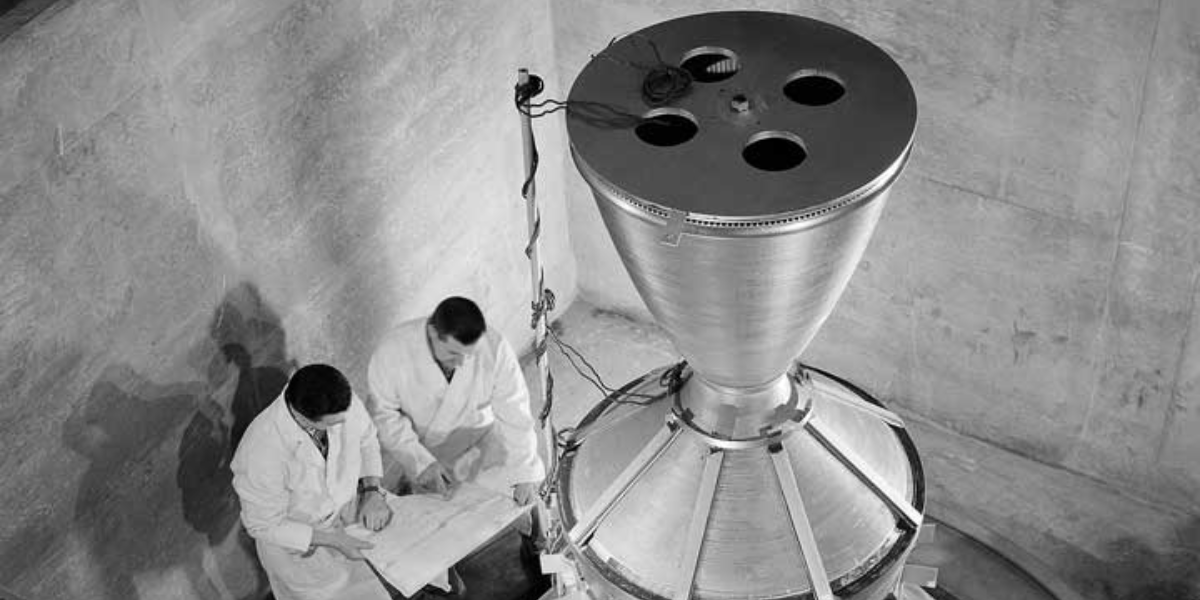
UAH is working with NASA’s Marshall Space Flight Center and aerospace industry partners on nuclear thermal propulsion, an advanced rocket technology that uses a nuclear reactor rather than traditional chemical combustion to generate thrust.
Supporters of the technology say it could make deep-space missions more practical by significantly shortening travel times and reducing astronauts’ exposure to harmful radiation during long journeys.
“We’re not starting from zero,” said Dr. Dale Thomas, deputy director of UAH’s Propulsion Research Center. “NASA conducted extensive work on nuclear thermal propulsion decades ago, and much of that knowledge still exists today.”
NASA first pursued nuclear thermal propulsion through the Nuclear Engine for Rocket Vehicle Application, or NERVA, program during the 1950s and 1960s. The program was eventually canceled as the agency shifted its focus toward the Space Shuttle.
Today, UAH researchers are helping NASA evaluate how nuclear propulsion could support future missions to Mars, the moon and even destinations farther into the solar system.
According to Thomas, studies have consistently identified nuclear thermal propulsion as one of the most promising options for human missions to Mars because it could potentially cut travel times from roughly six months to as little as two or three months.
UAH is also contributing to the development of digital models and simulations that allow engineers to evaluate future propulsion systems before physical hardware is built.
While significant challenges remain, particularly the need for specialized testing facilities, Thomas said Huntsville is uniquely positioned to support future development because of its concentration of aerospace expertise, including NASA Marshall, major defense contractors and nearby national laboratories.
“If the infrastructure comes together, Huntsville could become a major center for the future of space nuclear propulsion,” Thomas said.
The work aligns with comments made by NASA Administrator Jared Isaacman during a recent Huntsville visit, when he pointed to nuclear thermal propulsion as a key technology for future exploration.
Isaacman said the technology being developed through Marshall Space Flight Center could one day help carry astronauts to Mars and enable missions deeper into the solar system.
Researchers at UAH are also studying next-generation concepts that could eventually improve efficiency even further, potentially opening the door to faster and more ambitious missions throughout the solar system.
Got a tip for OTR? Send your tip to [email protected] with related photo/video, your name, phone number, and e-mail address.