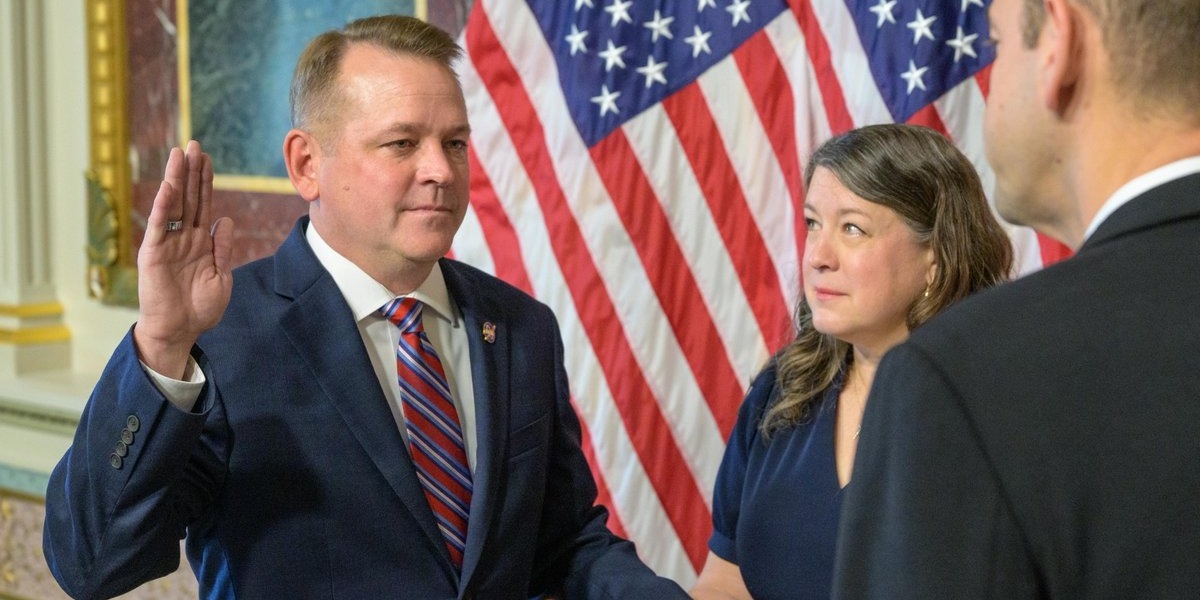
Matt Anderson was officially sworn in Thursday as NASA’s 16th deputy administrator, stepping into a leadership role that carries major implications for Huntsville and NASA Marshall Space Flight Center’s work on the Space Launch System rocket program.
Anderson took the oath during a ceremony at the Eisenhower Executive Office Building in Washington after being confirmed by the U.S. Senate earlier this week. He was nominated by President Donald Trump in January.
As deputy administrator, Anderson will help oversee NASA’s exploration, science and aeronautics missions while working alongside NASA Administrator Jared Isaacman during a critical period for the agency’s Artemis moon program.
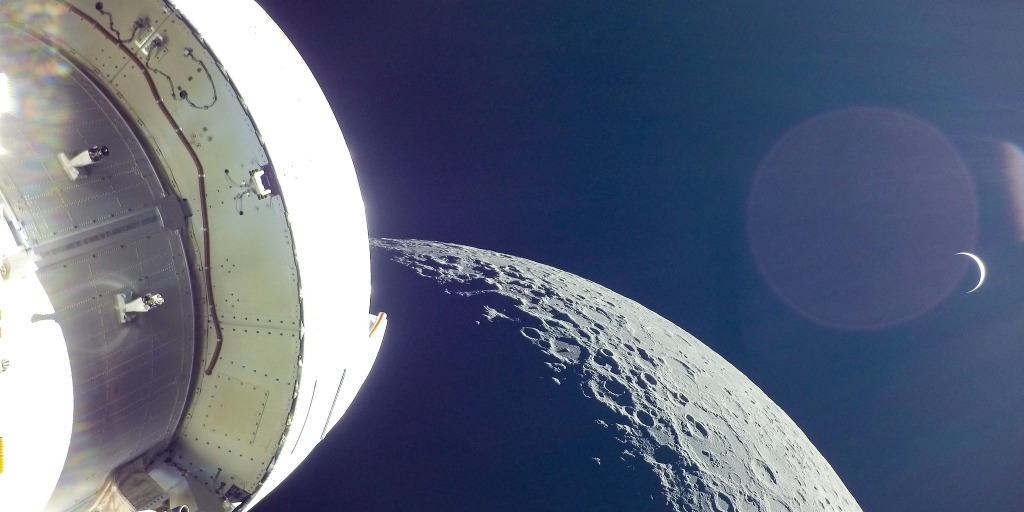
Marshall Space Flight Center in Huntsville manages the Space Launch System, or SLS, the massive rocket designed to carry astronauts aboard the Orion spacecraft during future Artemis missions to the moon. Marshall oversees program management, propulsion systems, testing, flight software and construction of key rocket adapters connecting SLS to the Orion crew capsule.
During his Senate confirmation hearing in March, Anderson emphasized support for the administration’s space priorities and America’s lunar ambitions.
“If confirmed, I will 100 percent support the Administrator in executing the President’s space policy,” Anderson said, according to NASAWATCH. “I will roll up my sleeves and tirelessly serve the talented workforce at NASA, be a great teammate with Congress, and beat China to the moon.”
Isaacman praised Anderson’s military and aerospace background in announcing the swearing-in.
“Matt Anderson brings exactly the kind of operational leadership, technical expertise, and mission focus NASA needs right now,” Isaacman said in a statement. “His decades of experience across the Air Force, Space Command, and the aerospace industry give him a valuable perspective as we work to strengthen America’s leadership in space and enter the next era of exploration.”
Anderson said he looks forward to helping lead NASA during what he described as a pivotal period for American space exploration.
“NASA has been entrusted with a mission of enormous strategic, scientific, and economic significance, and delivering on that mission will require disciplined execution, technical excellence, and a strong culture of accountability,” Anderson said.
A retired Air Force colonel, Anderson logged more than 5,000 flight hours during his military career, including more than 650 combat hours. He previously commanded the Department of Defense’s only nuclear airlift squadron and served in multiple senior defense leadership roles before retiring from military service in 2021.
Since leaving the Air Force, Anderson served as chief operating officer and chief growth officer for the Space Force Association and later worked as a vice president for CACI International, which maintains operations in Huntsville’s Cummings Research Park.
NASA officials said Anderson’s background in military operations, aerospace leadership and national security will help support the agency’s long-term exploration goals as the Artemis program continues development.