Tucked beneath the mountains along Highway 65, the rolling native grasslands of the Paint Rock River Valley served as the backdrop for Paint Rock River Day as conservationists, farmers and community members gathered to explore one of North Alabama’s most ecologically important waterways.
From Whitaker Preserve, attendees looked across one of North Alabama’s most biodiverse landscapes while learning how decades of restoration work are reshaping both the river and the land surrounding it.
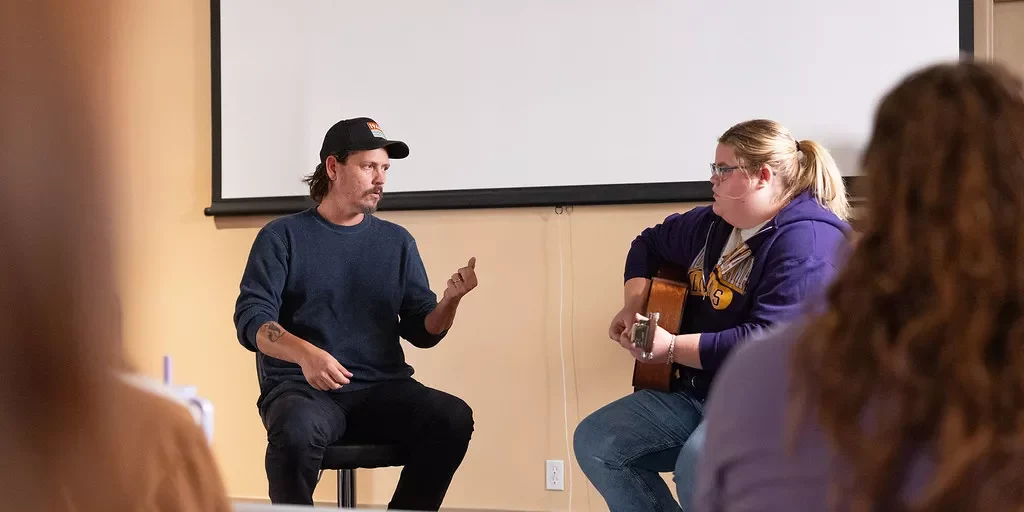
Leading much of that work locally is Jason Throneberry, who oversees freshwater conservation efforts across Alabama, Louisiana and Mississippi.
“This is the place that we have worked the longest in Alabama,” Throneberry said. “We’ve been working in this valley for about 21 years now.”
Many of the problems, he said, trace back decades to agricultural policies that encouraged rivers to be straightened and channelized in an effort to make farming easier.
“That was a big push,” Throneberry said. “Channelize your streams and get the water off the property.”
But while the projects improved drainage, they often erased natural stream systems and accelerated erosion.
Today, restoration efforts are reversing that damage by reintroducing rivers to their natural meandering patterns rather than forcing them into straight channels. The result is a slower-moving river system that improves water quality and floodplain stability, while allowing wildlife to flourish.
The Nature Conservancy, organizers emphasized, does not operate by taking over land. Instead, the organization works in partnership with private landowners to help restore and preserve working landscapes.
More than 90% of Alabama land is privately owned, making cooperation essential to long-term conservation success, Throneberry said.
That partnership became personal for local farmer Wade Hayes, whose property along the Paint Rock River was losing land each year to severe erosion.
“The river gently comes and moves past it, and the erosion has gone away,” Hayes said after describing restoration work completed on his property. “It was a win-win situation for me as a landowner.”
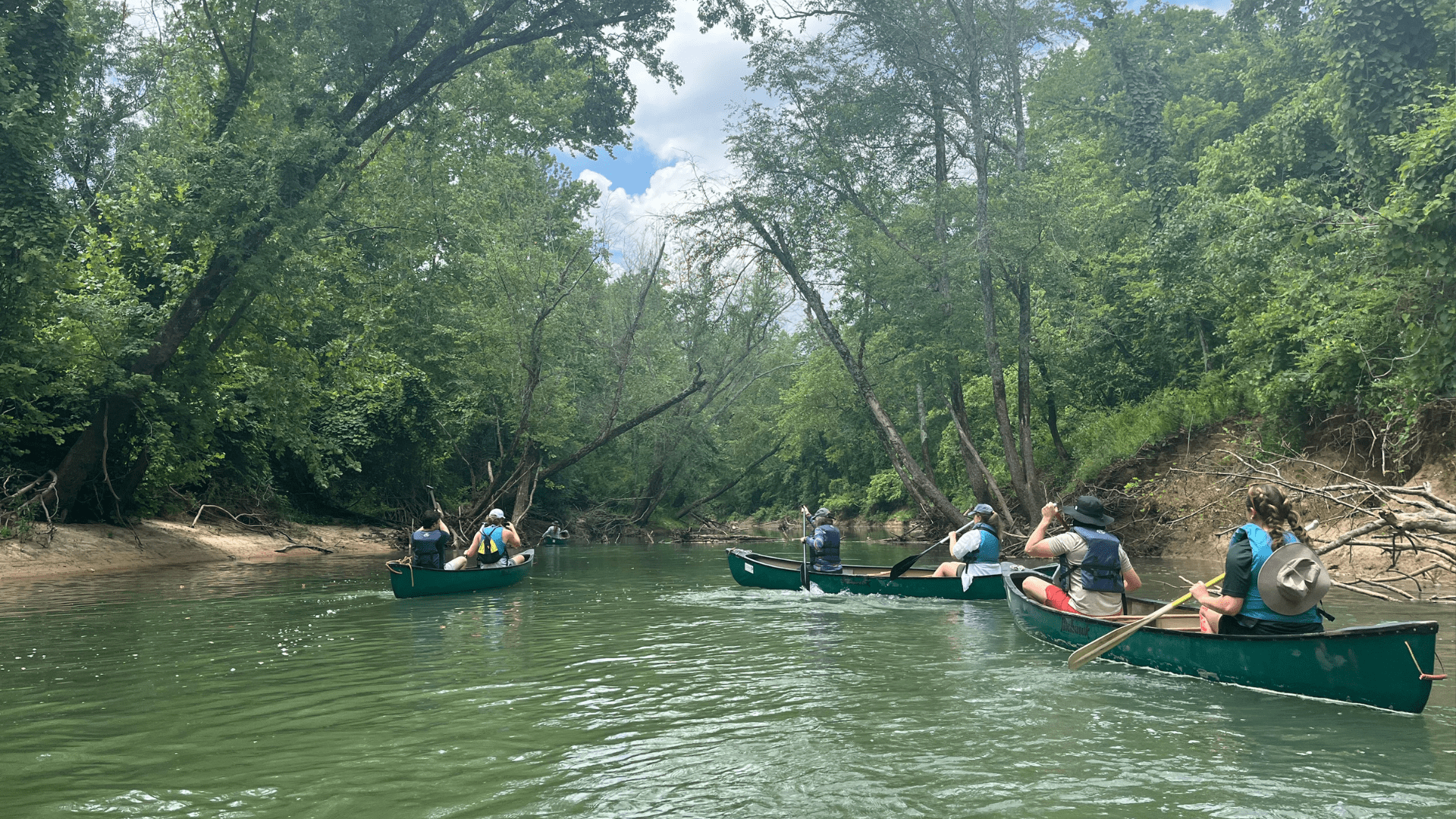
After the presentations, participants launched canoes into the restored waterway, floating past baby ducks, buffalo fish and newly stabilized riverbanks that showed incredible signs of ecological recovery.
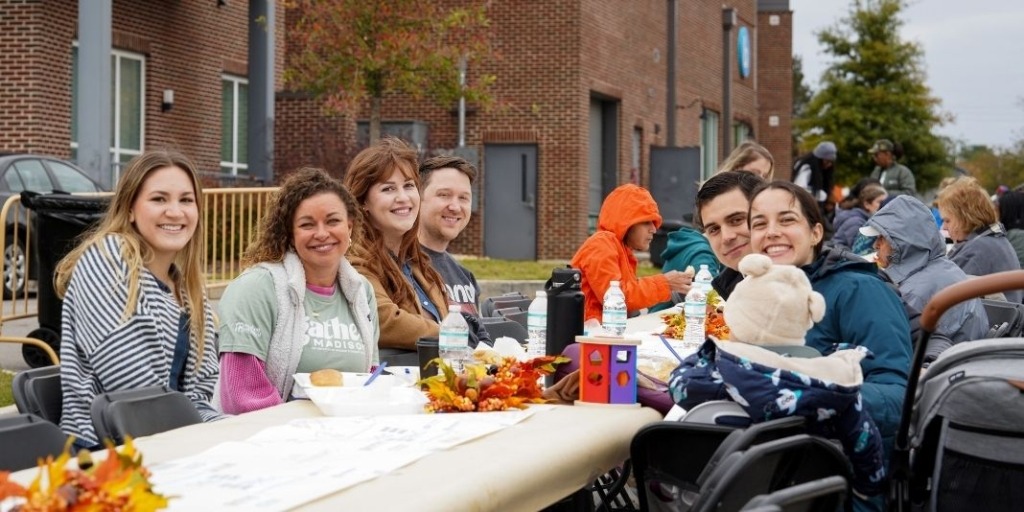
For organizers and landowners alike, the day carried a simple message: conservation works best when everyone has a seat at the table.
In the Paint Rock Valley, collaboration, not conflict, is helping restore the river while preserving the livelihoods connected to it.