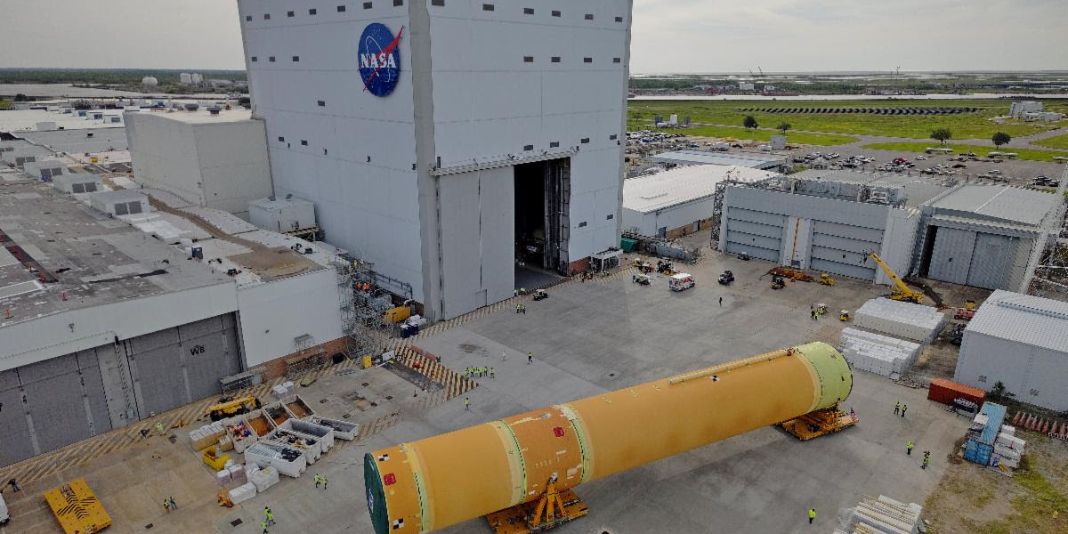
NASA has taken another major step toward returning astronauts to the Moon, rolling out the core stage of its Space Launch System rocket for the Artemis III mission.
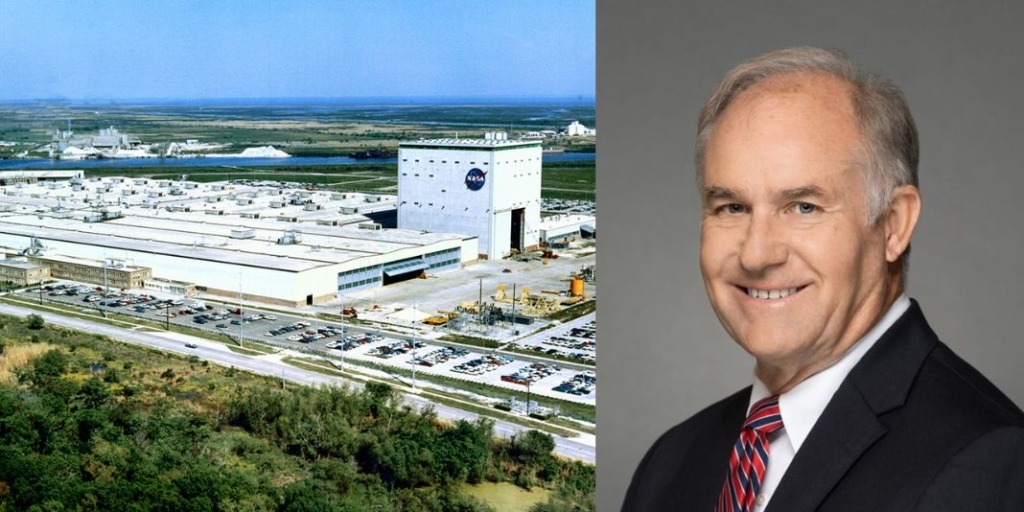
The core stage, the largest section of the SLS rocket, departed NASA’s Michoud Assembly Facility this week en route to Kennedy Space Center, where it will undergo final assembly and integration ahead of a planned 2027 launch.
The milestone follows the recent successful Artemis II test flight and moves NASA closer to its first crewed lunar landing mission in more than five decades.
“Seeing this SLS rocket hardware roll out is a powerful reminder of our progress toward returning humans to the lunar surface,” said Lori Glaze, acting associate administrator for NASA’s Exploration Systems Development Mission Directorate. “This is the backbone of Artemis III.”
Standing 212 feet tall when complete, the core stage will house massive propellant tanks capable of holding more than 733,000 gallons of super-cooled liquid hydrogen and oxygen. During launch, the stage will power four RS-25 engines, generating more than 2 million pounds of thrust over an eight-minute burn to send astronauts aboard the Orion spacecraft into orbit.
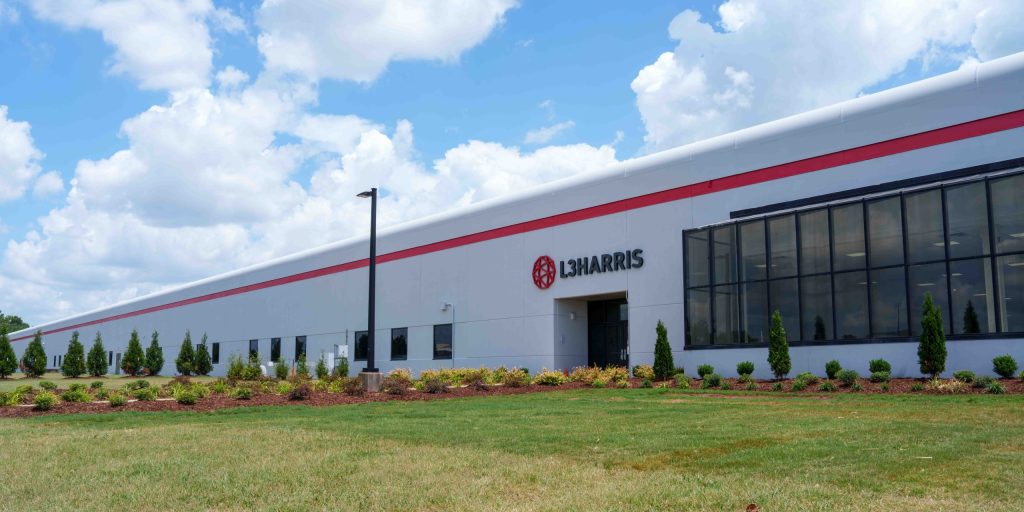
The rocket is being developed in partnership with Boeing, which leads design and assembly, and L3Harris Technologies, which produces the RS-25 engines.
Once the stage arrives in Florida, teams will complete outfitting and stack the rocket’s components as part of NASA’s Exploration Ground Systems Program.
Artemis III is expected to launch astronauts into Earth orbit, where they will test critical rendezvous and docking capabilities needed for future lunar landings. The mission is a key step toward Artemis IV, which aims to return humans to the Moon’s surface in 2028.
NASA’s Artemis program is designed to establish a sustained human presence on the Moon while laying the groundwork for future missions to Mars.
The effort also highlights Huntsville’s continued leadership in propulsion and spaceflight systems. The SLS rocket is managed at Marshall Space Flight Center, extending the city’s legacy in rocket development dating back to the Apollo era.